Small Business Grants 2026: 9 New Federal Funding Opportunities

Starting and growing a small business is a challenging yet rewarding endeavor. Access to capital is often the most significant hurdle for entrepreneurs. While traditional loans are an option, they often come with stringent requirements and interest rates. This is where Federal Small Business Grants come into play, offering a lifeline of non-repayable funding that can propel your venture forward.
For 2026, the landscape of federal funding is evolving, with several new and expanded opportunities designed to support innovation, economic growth, and specific sectors. This comprehensive guide will delve into 9 new federal funding opportunities, providing an essential roadmap for small business owners seeking to secure crucial capital. Understanding these grants, their eligibility criteria, and the application process is paramount for success.
The Importance of Federal Small Business Grants in 2026
Federal Small Business Grants are more than just free money; they are strategic investments made by the government to stimulate the economy, foster innovation, address societal needs, and support job creation. In 2026, with an ever-changing economic climate, these grants are critical for:
- Stimulating Innovation: Many grants are specifically designed to fund research and development (R&D) in cutting-edge fields, pushing the boundaries of technology and science.
- Supporting Underserved Communities: A significant portion of federal funding aims to empower businesses owned by women, minorities, veterans, and those located in economically disadvantaged areas, promoting equitable economic growth.
- Job Creation: By providing capital, grants enable small businesses to expand their operations, hire more employees, and contribute to local and national employment figures.
- Economic Resilience: Grants can help businesses become more resilient to economic downturns, allowing them to invest in new technologies, training, and infrastructure that strengthen their long-term viability.
- Addressing National Priorities: Federal grants often align with national priorities such as clean energy, healthcare advancements, cybersecurity, and advanced manufacturing, encouraging businesses to contribute to these vital sectors.
Securing a federal grant not only provides financial assistance but also confers a significant mark of credibility and prestige, which can attract further investment and partnerships. It signals that your business has been rigorously vetted and deemed worthy of government support.
Navigating the Federal Grant Landscape: Key Considerations
Before diving into specific opportunities, it’s crucial to understand the general principles of navigating the federal grant landscape. This involves research, preparation, and a strategic approach.
Understanding Grant vs. Loan
It’s important to distinguish between grants and loans. A grant is non-repayable funding, meaning you don’t have to pay it back, provided you adhere to the grant’s terms and conditions. A loan, on the other hand, must be repaid, usually with interest. While both can provide capital, grants offer a significant advantage by reducing financial burden.
Eligibility is Paramount
Each Federal Small Business Grant has specific eligibility criteria. These can include:
- Business size (e.g., number of employees, revenue thresholds)
- Industry sector
- Geographic location
- Ownership demographics (e.g., veteran-owned, woman-owned)
- Project type and alignment with grant objectives
- Financial stability and operational history
Thoroughly reviewing these criteria before investing time in an application is essential to avoid wasted effort.
The Competitive Nature of Grants
Federal grants are highly competitive. Many businesses apply for the same limited pool of funds. Therefore, a well-researched, meticulously prepared, and compelling application is crucial for standing out. This often requires significant time and resources dedicated to proposal writing and documentation.
9 New Federal Funding Opportunities for Small Businesses in 2026
Here, we highlight 9 anticipated new or significantly expanded Federal Small Business Grants for 2026. While specific program names and exact funding amounts may be subject to final legislative approval, these represent key areas of government focus and investment.
1. The Green Innovators Initiative (GII)
- Focus: This initiative aims to support small businesses developing sustainable technologies, clean energy solutions, and environmentally friendly products or services. It targets innovations that reduce carbon footprint, improve resource efficiency, or promote eco-conscious practices.
- Eligibility: Small businesses engaged in R&D, manufacturing, or implementation of green technologies. Emphasis on measurable environmental impact.
- Potential Impact: Crucial for businesses in renewable energy, sustainable agriculture, waste management, and green building technologies.
- Agencies Involved: Department of Energy (DOE), Environmental Protection Agency (EPA), Small Business Administration (SBA).
- Application Insights: Proposals should clearly articulate the environmental problem being solved, the innovative solution, and its potential for broad adoption and impact.
2. Rural Revitalization & Digital Access Program (RRDAP)
- Focus: Designed to bolster economic development in rural areas by funding small businesses that enhance digital infrastructure, provide essential services, or create jobs in underserved rural communities. This includes projects related to broadband expansion, tele-health services, and remote work support.
- Eligibility: Small businesses located in or primarily serving designated rural areas, with projects aimed at improving community access or economic viability.
- Potential Impact: Vital for rural businesses, tech startups in rural hubs, and service providers looking to bridge the digital divide.
- Agencies Involved: USDA Rural Development, Department of Commerce (DOC), SBA.
- Application Insights: Demonstrate a clear understanding of rural community needs and how your business solution directly addresses them, with quantifiable benefits.
3. Advanced Manufacturing & Robotics Grant (AMRG)
- Focus: This grant supports small businesses in advanced manufacturing, automation, and robotics. It encourages the adoption of cutting-edge production techniques, development of new robotic systems, and training for a skilled manufacturing workforce.
- Eligibility: Small and medium-sized manufacturers, technology developers, and training providers focused on enhancing U.S. manufacturing capabilities.
- Potential Impact: Accelerates innovation in domestic manufacturing, improves competitiveness, and creates high-skilled jobs.
- Agencies Involved: Department of Commerce (NIST), Department of Defense (DOD), SBA.
- Application Insights: Highlight technological innovation, scalability of manufacturing processes, and potential for job growth and economic impact within the sector.
4. Healthcare Innovation & Accessibility Fund (HIAF)
- Focus: Aims to fund small businesses developing innovative solutions to improve healthcare access, reduce costs, or enhance patient outcomes. This could include digital health platforms, medical device development, telehealth services for underserved populations, or new diagnostic tools.
- Eligibility: Small businesses in the healthcare, biotechnology, and medical technology sectors. Projects must demonstrate a clear path to improving healthcare delivery.
- Potential Impact: Drives advancements in public health, makes healthcare more affordable and accessible, and fosters medical breakthroughs.
- Agencies Involved: Department of Health and Human Services (HHS), National Institutes of Health (NIH), SBA.
- Application Insights: Emphasize the unmet medical need your solution addresses, clinical relevance, and a robust plan for development and commercialization.
5. Cybersecurity Resilience Program (CRP) for SMBs
- Focus: This program provides grants to small businesses to enhance their cybersecurity infrastructure, implement best practices, and train employees. It’s designed to protect critical small business data and networks from increasing cyber threats.
- Eligibility: Any small business demonstrating a need to improve its cybersecurity posture, particularly those in critical infrastructure sectors or handling sensitive data.
- Potential Impact: Strengthens national cybersecurity, protects small businesses from financial losses due to cyberattacks, and builds trust in digital commerce.
- Agencies Involved: Department of Homeland Security (DHS), National Institute of Standards and Technology (NIST), SBA.
- Application Insights: Detail current cybersecurity vulnerabilities, proposed solutions, and how these improvements align with recognized cybersecurity frameworks.
6. Minority & Women-Owned Business Enterprise (MWBE) Growth Fund
- Focus: An expanded fund specifically dedicated to supporting the growth and expansion of minority and women-owned small businesses. This grant aims to provide capital for scaling operations, market expansion, and job creation within these demographic groups.
- Eligibility: Certified minority-owned and women-owned small businesses meeting specific revenue and employee thresholds.
- Potential Impact: Promotes equitable economic opportunity, fosters diversity in entrepreneurship, and strengthens local economies.
- Agencies Involved: Minority Business Development Agency (MBDA), SBA.
- Application Insights: Highlight your business’s growth potential, job creation capabilities, and how the grant will help overcome specific barriers faced by MWBEs.
7. Veteran Entrepreneurship & Innovation Grant (VEIG)
- Focus: This grant provides funding for veteran-owned small businesses, particularly those engaged in innovative sectors or those creating significant employment opportunities for other veterans. It supports business development, technology adoption, and market outreach.
- Eligibility: Certified veteran-owned small businesses. Priority may be given to innovative ventures or those with a strong social impact component.
- Potential Impact: Supports veterans transitioning to entrepreneurship, leverages their skills and leadership, and contributes to economic reintegration.
- Agencies Involved: Department of Veterans Affairs (VA), SBA.
- Application Insights: Articulate your business plan, how your veteran status contributes to your business’s unique strengths, and the impact on the veteran community.
8. Small Business Export Expansion Program (SBEEP)
- Focus: Designed to help small businesses enter and expand into international markets. This grant can cover costs associated with market research, trade missions, product adaptation for foreign markets, and compliance with international regulations.
- Eligibility: Small businesses with existing products or services deemed viable for export, or those with a clear strategy for international market entry.
- Potential Impact: Boosts U.S. exports, creates jobs domestically, and enhances the global competitiveness of small businesses.
- Agencies Involved: Department of Commerce (International Trade Administration), SBA (Office of International Trade).
- Application Insights: Provide a detailed export plan, target markets, projected sales, and how the grant will specifically enable your international expansion efforts.
9. Community Development Financial Institutions (CDFI) Fund Microgrant Program
- Focus: While CDFIs themselves are not federal agencies, the CDFI Fund, administered by the Treasury Department, provides grants to CDFIs. This new microgrant program will empower CDFIs to offer smaller, more accessible grants directly to very small businesses and startups, especially in low-income communities.
- Eligibility: Businesses applying directly to CDFIs will need to meet the CDFI’s specific criteria, which often focus on local impact, job creation, and serving underserved populations.
- Potential Impact: Increases access to capital for the smallest businesses and startups that might struggle with larger federal applications, fostering local economic growth.
- Agencies Involved: Department of Treasury (CDFI Fund) indirectly, via local CDFIs.
- Application Insights: Research local CDFIs, understand their specific community development goals, and tailor your application to demonstrate how your business contributes to those goals.
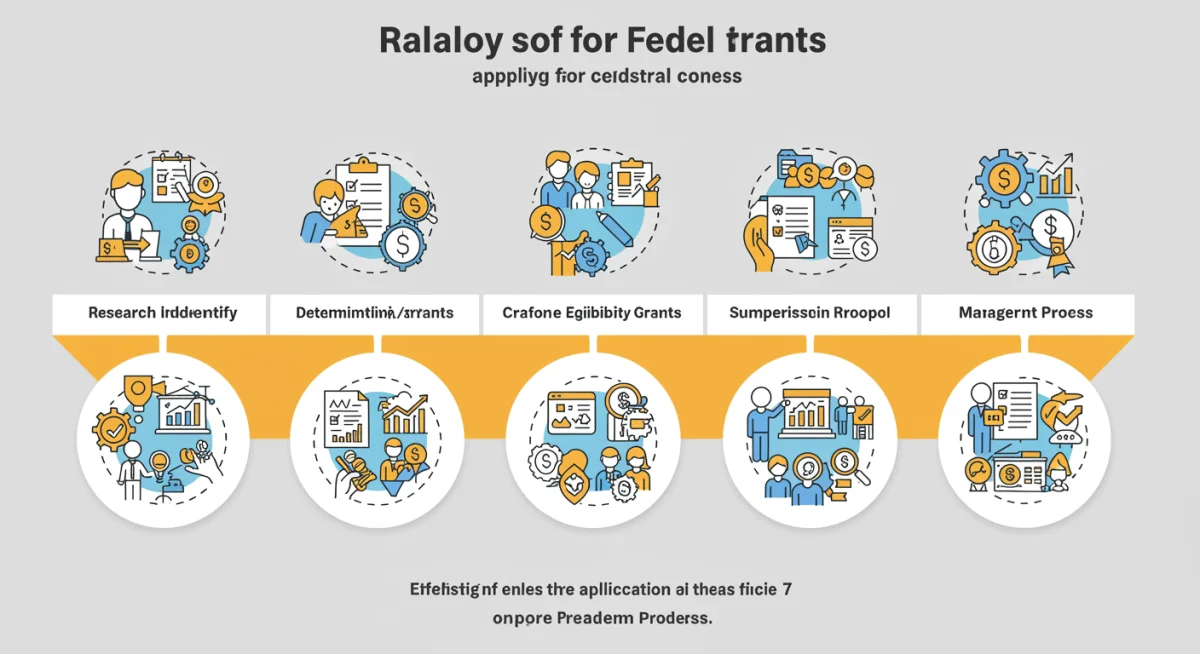
The Grant Application Process: A Step-by-Step Guide
Securing Federal Small Business Grants requires a systematic and diligent approach. Here’s a general step-by-step guide:
Step 1: Research and Identify Suitable Grants
- Utilize Grants.gov: This is the primary federal portal for all grant opportunities. Set up an account and use advanced search filters to find grants relevant to your industry, business size, and project type.
- Agency Websites: Directly visit the websites of agencies mentioned above (SBA, DOE, EPA, USDA, etc.) as they often list specific program details and resources.
- Networking: Connect with local Small Business Development Centers (SBDCs), SCORE mentors, and industry associations. They often have insights into upcoming opportunities or can direct you to relevant resources.
Step 2: Understand Eligibility and Requirements
- Read the NOFO/RFP Carefully: The Notice of Funding Opportunity (NOFO) or Request for Proposals (RFP) contains all the critical information: eligibility, funding priorities, application instructions, deadlines, and review criteria.
- Check Your Business Registration: Ensure your business is properly registered with all necessary federal and state entities (e.g., DUNS number, SAM.gov registration). This is a prerequisite for most federal grants.
Step 3: Develop a Strong Proposal
- Clear Executive Summary: A concise overview of your project, its goals, and why it deserves funding.
- Problem Statement: Clearly define the problem your business aims to solve and its significance.
- Proposed Solution: Detail your innovative approach, methodology, and how it directly addresses the problem.
- Project Plan & Timeline: Outline specific activities, milestones, and a realistic timeline for completion.
- Budget Justification: Provide a detailed and realistic budget, justifying every expense in relation to project activities.
- Team Qualifications: Highlight the expertise and experience of your team members.
- Evaluation Plan: Describe how you will measure the success and impact of your project.
- Sustainability Plan: Explain how your project will continue to be viable after the grant funding ends.
Step 4: Gather Supporting Documentation
- Business plan, financial statements, legal documents, resumes, letters of support, and any relevant permits or licenses.
- Ensure all documents are organized, professional, and adhere to specified formatting requirements.
Step 5: Write and Refine Your Application
- Start Early: Grant applications are time-consuming. Give yourself ample time for writing, reviewing, and revision.
- Be Specific and Concise: Avoid jargon, write clearly, and stick to the word limits.
- Align with Grant Objectives: Continuously refer back to the grant’s stated goals and priorities, ensuring your proposal clearly demonstrates alignment.
- Proofread Meticulously: Errors can undermine your credibility. Have multiple people review your application.
Step 6: Submission and Follow-Up
- Submit On Time: Late applications are almost always rejected.
- Confirm Receipt: If possible, confirm that your application has been received.
- Be Patient: Grant review processes can take several months.
- Prepare for Interview/Additional Information: Some grants may require interviews or requests for further details.
Maximizing Your Chances of Success
While the competition for Federal Small Business Grants is fierce, there are strategies you can employ to significantly increase your odds of success:
1. Build a Strong Network
Engage with local SBDCs, Women’s Business Centers, Veteran Business Outreach Centers, and SCORE chapters. These organizations provide free counseling, training, and often have direct connections to grant administrators or insights into regional funding priorities.
2. Attend Webinars and Workshops
Many federal agencies and support organizations host webinars and workshops specifically designed to guide applicants through the grant process. These can offer invaluable tips and clarification on complex requirements.
3. Collaborate and Partner
Some grants prioritize projects that involve collaboration between multiple small businesses, academic institutions, or non-profits. Partnerships can strengthen your proposal by demonstrating broader impact and shared resources.
4. Demonstrate Impact and Need
Clearly articulate the problem your business solves, the innovative nature of your solution, and the measurable positive impact it will have (economic, social, environmental). Quantify your impact whenever possible.
5. Financial Preparedness
Even though grants are non-repayable, agencies want to see that your business is financially sound and capable of managing the funds responsibly. Maintain accurate financial records and demonstrate a clear understanding of your business’s financial health.
6. Learn from Rejection
If your application is unsuccessful, don’t be discouraged. Request feedback from the granting agency. Use this feedback to refine your proposal for future opportunities. Many successful grant recipients were initially rejected.
Common Pitfalls to Avoid
Understanding common mistakes can help you steer clear of them:
- Ignoring Eligibility Criteria: Applying for grants you don’t qualify for is a waste of time.
- Late Submissions: Federal deadlines are strict; there are rarely exceptions.
- Incomplete Applications: Missing documents or unanswered sections will lead to immediate disqualification.
- Poorly Written Proposals: Vague language, grammatical errors, and disorganized content reflect poorly on your business.
- Unrealistic Budgets: Budgets that are too high or too low, or that don’t align with project activities, raise red flags.
- Lack of Measurable Outcomes: Grantors want to see how you will track progress and demonstrate success.
- Not Justifying the Need for Funds: Clearly explain why grant funding is essential and how it will achieve objectives that might not be possible otherwise.
Conclusion: Seizing the Opportunity in 2026
The year 2026 presents a dynamic landscape of opportunities for small businesses seeking to grow, innovate, and contribute to national priorities through Federal Small Business Grants. From fostering green technologies and revitalizing rural economies to advancing healthcare and strengthening cybersecurity, these funding avenues are designed to empower entrepreneurs across diverse sectors.
While the application process can be rigorous and competitive, the rewards of securing non-repayable capital are immense. By conducting thorough research, meticulously preparing a compelling proposal, adhering to all requirements, and leveraging available support resources, your small business can significantly increase its chances of obtaining these vital funds.
Don’t let the complexity deter you. Start early, stay organized, and focus on clearly articulating your vision and impact. The investment of time and effort in pursuing these federal grants could be the catalyst your small business needs to achieve its next level of success in 2026 and beyond. Embrace these opportunities and position your business at the forefront of innovation and economic growth.