
The dawn of 2026 is poised to bring about a transformative period for early childhood education in the United States. As discussions around child development, parental support, and economic stability continue to gain traction, policymakers are responding with a series of significant legislative and regulatory adjustments. For millions of families and dedicated early childhood education providers across the nation, these impending changes are not just bureaucratic hurdles but fundamental shifts that will redefine access, quality, and affordability. Understanding these crucial policy updates is paramount for anyone involved in or impacted by the early learning ecosystem.
The landscape of early childhood education is incredibly complex, encompassing everything from preschool programs and Head Start initiatives to home-based care and private daycares. Each facet plays a vital role in shaping the cognitive, social, and emotional development of America’s youngest citizens. However, this sector has long faced challenges related to underfunding, workforce shortages, and inconsistent quality standards. The policies slated for implementation in 2026 aim to address many of these long-standing issues, potentially ushering in an era of greater equity and support. Our focus today is on dissecting five pivotal policy changes that are expected to have the most profound impact, providing clarity on what they entail and how they might reshape the future of early learning in the US.
From enhanced federal funding mechanisms designed to bolster provider stability and expand access, to new mandates for workforce development and curriculum standards, these changes represent a concerted effort to invest in the foundational years of a child’s life. While the specifics are still being ironed out in some cases, the overarching direction points towards a more robust, equitable, and professionalized early childhood education system. Navigating these changes will require adaptability from providers, informed decision-making from families, and continued advocacy from all stakeholders. Let’s delve into the specifics of these anticipated shifts and explore their potential ramifications for the entire early childhood education community.
Policy Change 1: Significant Federal Funding Increases for Child Care Subsidies
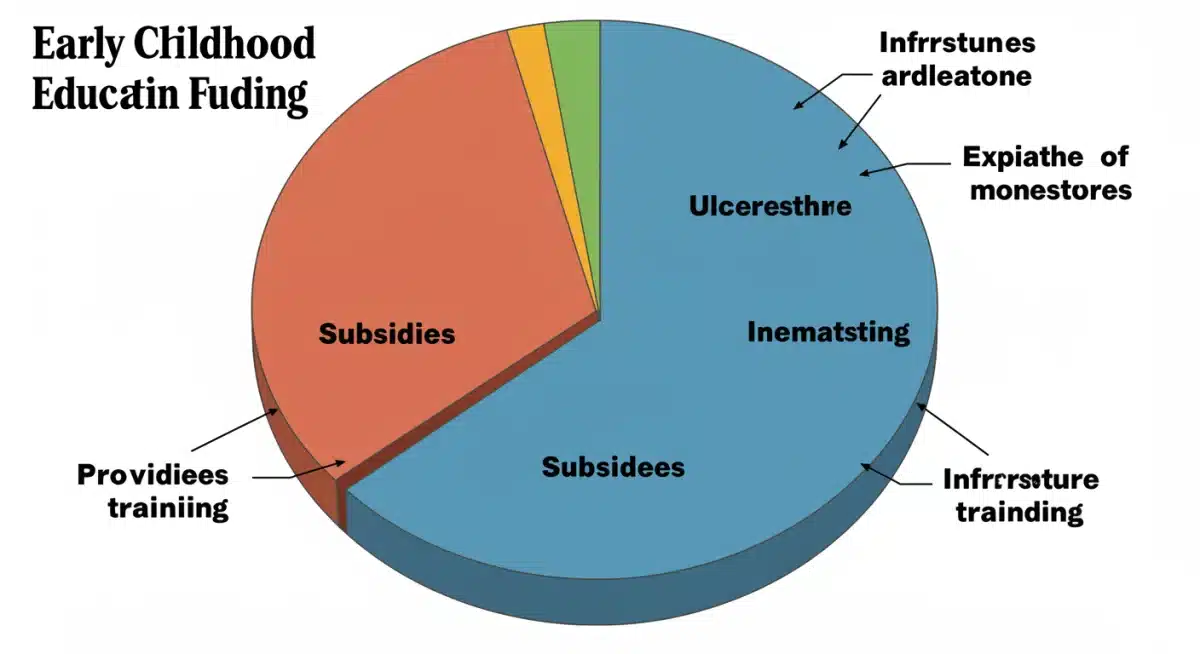
One of the most anticipated and potentially impactful policy changes for Early Childhood Education Policy in 2026 is a projected substantial increase in federal funding for child care subsidies. For years, the cost of quality child care has been a significant burden for American families, often rivaling or even exceeding housing costs or college tuition. This financial strain disproportionately affects low-income families and single-parent households, limiting their access to reliable, high-quality care and impacting their ability to work or pursue education.
The proposed legislation aims to inject billions of dollars into the Child Care and Development Block Grant (CCDBG) program and other related federal initiatives. This increased funding is intended to achieve several critical objectives:
- Expand Eligibility: A primary goal is to broaden the income eligibility thresholds for families to qualify for subsidies. This means that more middle-income families, who often struggle with child care costs but are currently deemed ineligible for assistance, will likely gain access to financial support. This expansion could alleviate significant financial pressure for a wider segment of the population.
- Increase Subsidy Amounts: Beyond expanding eligibility, the policies are expected to increase the actual dollar amount of subsidies provided per child. This will help close the gap between the subsidy amount and the true cost of quality care, making it more feasible for families to choose higher-rated programs without facing exorbitant out-of-pocket expenses.
- Reduce Family Co-payments: Many current subsidy programs require families to contribute a co-payment, which can still be substantial. The new policies may seek to cap or significantly reduce these co-payments, further easing the financial burden on families and making child care more genuinely affordable.
- Stabilize Child Care Providers: The increased funding isn’t just for families; it also has a direct positive impact on providers. Higher subsidy rates mean providers receive more adequate reimbursement for their services, which can help them cover operating costs, invest in facility improvements, and offer competitive wages to their staff. This stability is crucial for preventing closures and attracting new talent to the sector.
The implications of this funding increase are far-reaching. For families, it means greater access to affordable, quality child care, potentially leading to increased workforce participation, reduced financial stress, and improved outcomes for children. For providers, it offers a lifeline, enabling them to operate more sustainably, enhance program quality, and better compensate their dedicated workforce. This focus on financial accessibility and stability is a cornerstone of the evolving Early Childhood Education Policy in the US.
Policy Change 2: Enhanced Workforce Development and Compensation Standards
The backbone of any quality early childhood education system is its workforce. Yet, for too long, early childhood educators have been undervalued and underpaid, leading to high turnover rates, staffing shortages, and a struggle to attract and retain skilled professionals. The second major policy shift expected in 2026 directly addresses these critical issues through enhanced workforce development and compensation standards within Early Childhood Education Policy.
These new standards are anticipated to include:
- Increased Minimum Wage and Salary Parity: A significant push is underway to establish higher minimum wages for early childhood educators, with some proposals even aiming for salary parity with K-12 teachers for similarly qualified staff. This move acknowledges the complex skills and dedication required for early learning and seeks to make the profession a viable, long-term career path.
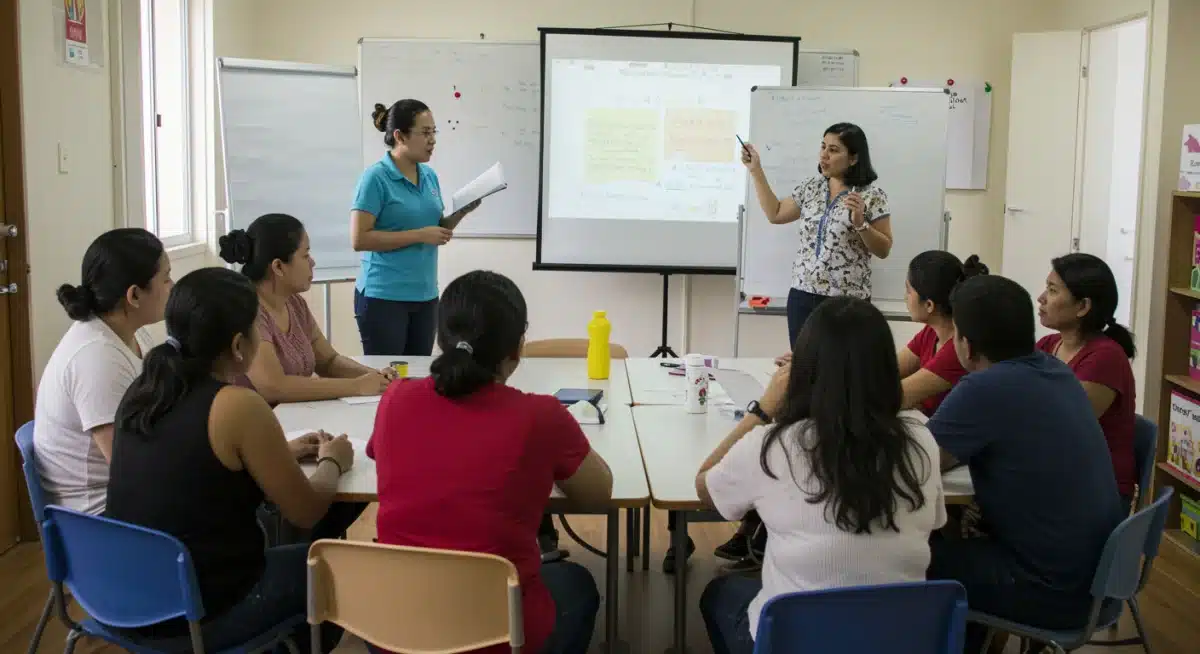
- Professional Development Requirements and Funding: Expect to see new mandates for ongoing professional development, coupled with increased funding to support educators in meeting these requirements. This could include access to free or subsidized training, certifications in specialized areas (e.g., trauma-informed care, inclusive practices), and opportunities for higher education. The goal is to continuously elevate the quality of instruction and care provided.
- Credentialing and Career Ladders: Policies may introduce more standardized credentialing systems and clearer career ladders within the early childhood education field. This provides educators with a roadmap for professional growth, recognizing different levels of expertise and experience, and offering pathways to advancement and increased earning potential.
- Benefits and Support Systems: Beyond direct compensation, there’s a growing recognition of the need for comprehensive benefits for early childhood educators, including health insurance, retirement plans, and paid leave. New policies may incentivize or mandate providers to offer these benefits, further professionalizing the sector and improving job satisfaction.
The impact of these changes on the Early Childhood Education Policy landscape will be profound. For educators, it means greater financial security, enhanced professional recognition, and opportunities for career advancement. This, in turn, is expected to reduce turnover, attract more qualified individuals to the field, and ultimately lead to a more stable and higher-quality learning environment for children. Investing in the workforce is an investment in the children themselves, ensuring they receive care from well-trained, well-supported professionals.
Policy Change 3: Universal or Expanded Pre-Kindergarten Access
The concept of universal pre-kindergarten (UPK) has been a long-standing goal for many advocates of Early Childhood Education Policy, and 2026 may see significant strides towards its realization or at least a substantial expansion of access. While true universal pre-K (meaning free, high-quality pre-K for all 3- and 4-year-olds) remains a complex endeavor, upcoming policies are expected to push states and localities closer to this ideal.
Key elements of this policy change could include:
- Increased Federal Investment in State Pre-K Programs: The federal government is likely to offer increased matching funds or direct grants to states that commit to expanding their pre-K programs. This financial incentive is designed to help states overcome budgetary hurdles and build out the necessary infrastructure for broader access.
- Lowering Age Eligibility: Some states currently offer pre-K only for 4-year-olds. New policies might encourage or incentivize states to lower the age of eligibility to include 3-year-olds, recognizing the critical developmental window between ages three and four.
- Developing Quality Benchmarks for Expanded Programs: As access expands, there will be a strong emphasis on maintaining and improving quality. Policies will likely include requirements for smaller class sizes, higher teacher-to-child ratios, evidence-based curricula, and robust teacher qualifications for all state-funded pre-K programs.
- Integration with Existing Child Care Systems: Rather than creating entirely separate systems, new policies will likely promote the integration of expanded pre-K into existing child care centers, Head Start programs, and family child care homes. This approach leverages existing infrastructure, supports current providers, and offers families more flexible options.
The benefits of expanded pre-kindergarten access are well-documented. Children who attend high-quality pre-K programs demonstrate improved cognitive and social-emotional skills, higher academic achievement in later years, and a greater likelihood of graduating high school. For families, it represents a significant saving on child care costs and ensures their children are prepared for kindergarten. For the nation, it’s an investment in a more educated and productive future workforce. This push for broader pre-K access is a defining feature of the evolving Early Childhood Education Policy landscape.
Policy Change 4: Enhanced Quality Rating and Improvement Systems (QRIS)
Ensuring that expanded access doesn’t come at the expense of quality is a critical focus of the upcoming Early Childhood Education Policy changes. Many states currently utilize Quality Rating and Improvement Systems (QRIS) to assess and communicate the quality of early learning programs. In 2026, these systems are expected to undergo significant enhancements, becoming more robust, standardized, and integrated.
Anticipated improvements to QRIS include:
- National Standardization or Best Practices Guidelines: While QRIS currently vary widely by state, new federal policies may push for greater national standardization or the adoption of shared best practices. This would make it easier for families to understand quality ratings across different states and ensure a baseline level of quality nationwide.
- More Rigorous and Evidence-Based Criteria: The criteria used to rate programs will likely become more rigorous, incorporating the latest research on child development and effective teaching practices. This could include stronger emphasis on curriculum, child assessment, family engagement, and culturally responsive practices.
- Increased Support for Programs to Improve: A key aspect of enhanced QRIS will be a stronger focus on supporting programs in their journey towards higher quality. This means providing technical assistance, professional development opportunities, and financial incentives (e.g., grants, bonuses) for programs that achieve higher ratings or demonstrate continuous improvement.
- Transparency and Accessibility of Information: Policies will likely mandate greater transparency in QRIS data, making it easier for parents to access and understand quality ratings for programs in their area. This empowers families to make more informed choices about their child’s care and education.
- Integration with Funding and Licensing: Expect to see a closer link between QRIS ratings and other aspects of early childhood policy, such as eligibility for certain funding streams, licensing requirements, and participation in expanded pre-K programs. Higher QRIS ratings could become a prerequisite for accessing certain benefits or participating in specific initiatives.
The goal of these enhanced QRIS is to elevate the overall quality of early learning experiences for all children, regardless of where they live or their family’s income. By providing clear benchmarks, offering targeted support, and empowering informed decision-making, these policy changes will strengthen the foundational aspects of Early Childhood Education Policy, ensuring that more children benefit from high-quality early learning environments.
Policy Change 5: Greater Focus on Mental Health and Inclusive Practices
The final significant policy shift expected in 2026 reflects a growing understanding of the critical role of social-emotional development and mental well-being in early childhood, as well as the importance of inclusive environments for all children. Upcoming Early Childhood Education Policy will likely place a much stronger emphasis on these areas, moving beyond purely academic measures.
This focus will manifest in several ways:
- Increased Funding for Mental Health Consultants and Supports: Policies are expected to allocate more resources for embedding mental health consultants directly into early learning settings or providing access to such services for providers and families. These consultants can help identify and address social-emotional challenges early, provide guidance to educators, and offer referrals to specialized services.
- Mandated Training in Social-Emotional Learning (SEL) and Trauma-Informed Care: Professional development requirements will likely include mandatory training for early childhood educators in SEL strategies and trauma-informed care practices. This equips educators with the skills to support children’s emotional regulation, build resilience, and create safe, nurturing environments for all children, including those who have experienced adversity.
- Enhanced Resources for Children with Special Needs and Disabilities: The policies will likely strengthen mandates and provide additional funding for inclusive practices, ensuring that children with special needs and disabilities are fully integrated into mainstream early learning settings whenever appropriate. This includes resources for adaptations, assistive technologies, and specialized instructional support.
- Promoting Culturally Responsive and Equitable Practices: There will be a greater emphasis on policies that promote culturally responsive teaching and equitable practices within early childhood education. This means ensuring curricula and environments reflect the diversity of children and families served, and that all children feel valued and belong.
- Early Identification and Intervention: Policies may also bolster systems for early identification of developmental delays or mental health concerns, facilitating prompt intervention and support services. This proactive approach can significantly improve long-term outcomes for children.
By prioritizing mental health and inclusive practices, the evolving Early Childhood Education Policy aims to create environments where every child feels secure, supported, and ready to learn. This holistic approach recognizes that a child’s emotional and social well-being is just as crucial as their cognitive development, laying a stronger foundation for lifelong success.
Understanding the Broader Impact on Families and Providers
The five policy changes outlined above, collectively impacting Early Childhood Education Policy, are not isolated initiatives. They are interconnected and designed to create a more cohesive, supportive, and effective early learning ecosystem. Understanding their broader implications for both families and providers is essential for navigating the changes effectively.
Impact on Families:
- Increased Affordability: With expanded subsidies and potentially reduced co-payments, more families will find quality child care and pre-kindergarten programs within their financial reach. This can free up household income for other necessities and reduce financial stress.
- Greater Access to Quality Care: Universal pre-K initiatives, combined with enhanced QRIS and support for providers, mean that families will have more options for high-quality, developmentally appropriate early learning experiences for their children.
- Improved Child Outcomes: Access to better-funded, more professionalized, and quality-assured programs, with a focus on holistic development, is expected to lead to improved cognitive, social, and emotional outcomes for children, better preparing them for school and life.
- Enhanced Parental Workforce Participation: When child care is affordable and accessible, parents (particularly mothers) are more likely to enter or re-enter the workforce, contributing to family income and economic stability.
- Better Support for Diverse Needs: The focus on mental health and inclusive practices means families with children requiring additional support, whether for developmental delays or social-emotional challenges, will find more resources and accommodating environments.
Impact on Early Childhood Providers:
- Financial Stability and Sustainability: Increased funding, particularly through higher subsidy rates and potential grants, can provide much-needed financial stability for child care centers and family child care homes, helping them cover operational costs, invest in resources, and avoid closures.
- Professional Recognition and Attractiveness of the Field: Enhanced compensation standards and professional development opportunities will elevate the status of early childhood educators, making the profession more attractive and helping to address chronic workforce shortages.
- Capacity Building and Quality Improvement: Support for QRIS, professional development funding, and resources for mental health and inclusion will empower providers to continuously improve their programs, meet higher quality standards, and offer more comprehensive services.
- Reduced Staff Turnover: Better pay, benefits, and professional growth opportunities are expected to significantly reduce staff turnover, leading to greater continuity of care and stronger relationships between educators and children.
- Navigating New Regulations: While beneficial, these policy changes will also require providers to adapt to new regulations, reporting requirements, and quality standards. Access to clear guidance and technical assistance will be crucial during this transition.
The synergistic effect of these policies aims to create a virtuous cycle: better-supported providers can offer higher-quality care, which leads to better outcomes for children, greater peace of mind and economic opportunity for families, and ultimately, a stronger society. The evolution of Early Childhood Education Policy in 2026 is a critical step towards realizing this vision.
Challenges and Opportunities Ahead
While the impending shifts in Early Childhood Education Policy for 2026 offer immense promise, their implementation will not be without challenges. Understanding these hurdles and the opportunities they present is crucial for effective adaptation and advocacy.
Key Challenges:
- Funding Sustainability: While initial federal funding increases are significant, ensuring long-term, sustainable funding mechanisms will be a continuous challenge. Political will can shift, and advocates will need to work tirelessly to ensure these investments are maintained and grown.
- Workforce Recruitment and Retention: Despite improved compensation, the early childhood sector still faces a massive need for qualified professionals. Attracting enough individuals to fill new positions and retain existing staff, especially in rural or underserved areas, will require ongoing strategic efforts.
- Infrastructure Development: Expanding pre-K and increasing access will necessitate significant investment in physical infrastructure – new classrooms, renovated facilities, and appropriate learning environments. This takes time and considerable capital.
- Equity in Implementation: Ensuring that policy benefits reach all communities equally, particularly those in historically marginalized or under-resourced areas, will require careful planning and monitoring to prevent existing disparities from widening.
- Administrative Burden for Providers: New regulations, reporting requirements, and QRIS standards, while aimed at improving quality, can sometimes place an increased administrative burden on providers, especially smaller operations. Streamlined processes and adequate support will be essential.
- State and Local Variation: While federal policies provide a framework, implementation will vary by state and locality. Navigating these differences and ensuring consistency in quality and access across jurisdictions will be complex.
Significant Opportunities:
- Elevating the Profession: These policies present a golden opportunity to fundamentally transform early childhood education into a highly respected and professionalized field, attracting more talent and recognizing the vital role educators play.
- Building a Stronger Foundation for Children: By investing in quality, access, and holistic development, the nation can lay a stronger foundation for its youngest citizens, leading to better educational outcomes, improved public health, and greater economic productivity in the long run.
- Economic Stimulus: Increased investment in child care creates jobs, supports working parents, and allows for greater workforce participation, acting as a significant economic stimulus for communities and the nation as a whole.
- Innovation in Pedagogy and Practice: With more stable funding and a focus on professional development, providers will have greater capacity to innovate, adopt new evidence-based practices, and tailor programs to meet the unique needs of their communities.
- Stronger Family Support Systems: More affordable and accessible child care, coupled with a focus on family engagement and mental health support, strengthens the entire family unit, fostering resilience and well-being.
- Advocacy and Collaboration: These changes galvanize advocates, policymakers, providers, and families to work together, fostering stronger partnerships and a collective vision for the future of early learning.
The journey towards a truly robust and equitable early childhood education system is ongoing. The 2026 policy changes represent a critical juncture, offering a pathway to overcome long-standing challenges and seize transformative opportunities. Continuous engagement, adaptation, and advocacy will be key to realizing the full potential of these reforms in Early Childhood Education Policy.
Preparing for the Future: What Families and Providers Can Do Now
As 2026 approaches, both families and early childhood education providers have proactive steps they can take to prepare for and optimally leverage the upcoming policy changes. Staying informed and engaged will be crucial for navigating this evolving landscape of Early Childhood Education Policy.
For Families:
- Stay Informed: Regularly check official government websites (federal, state, and local) for updates on eligibility requirements for child care subsidies, pre-K enrollment dates, and any new programs. Follow reputable early childhood advocacy organizations for timely information.
- Understand Your Options: As access expands, research the various types of early learning programs available in your area – licensed centers, family child care homes, Head Start, and public pre-K. Understand their philosophies, schedules, and quality ratings (if available).
- Advocate: Your voice matters. Contact your local, state, and federal representatives to express your support for strong early childhood education policies. Share your experiences and highlight the need for affordable, high-quality care.
- Plan Ahead: If you anticipate needing child care or pre-K in 2026, start researching programs and understanding application processes now. Enrollment can be competitive, especially for high-quality programs.
- Utilize Resources: Look for community resources, parent support groups, and early intervention services if you have concerns about your child’s development. The increased focus on mental health and inclusion means more support will be available.
For Early Childhood Providers:
- Review and Adapt Business Models: Understand how increased subsidies and potential universal pre-K expansion might impact your enrollment, revenue streams, and staffing needs. Adjust your business plan accordingly.
- Invest in Workforce Development: Proactively identify professional development opportunities for your staff that align with anticipated new standards (e.g., SEL, trauma-informed care, higher certifications). Seek out funding for these trainings.
- Engage with QRIS: If your state has a QRIS, actively participate in it. Understand the criteria, work towards improving your rating, and leverage the technical assistance and resources available through the system. Higher ratings may unlock new funding or enrollment opportunities.
- Advocate and Collaborate: Join local and state early childhood provider associations. These groups are vital for collective advocacy, sharing best practices, and staying informed about policy changes. Your collective voice can shape implementation.
- Strengthen Program Quality: Focus on continuous improvement in all aspects of your program – curriculum, staff-child interactions, family engagement, and inclusive practices. High-quality programs will be best positioned to thrive under the new policies.
- Seek Technical Assistance: As new regulations and funding opportunities emerge, don’t hesitate to seek technical assistance from state agencies, non-profits, or consultants specializing in early childhood program management and compliance.
The forthcoming changes in Early Childhood Education Policy in 2026 represent a pivotal moment for the nation’s youngest learners and the dedicated professionals who care for them. By staying proactive, informed, and engaged, both families and providers can ensure they are well-prepared to embrace these changes and contribute to a brighter future for early learning in the United States.
Conclusion: A New Era for Early Childhood Education
The year 2026 is shaping up to be a landmark year for Early Childhood Education Policy in the United States. The five key policy changes we’ve explored – significant federal funding increases for child care subsidies, enhanced workforce development and compensation standards, universal or expanded pre-kindergarten access, more robust Quality Rating and Improvement Systems (QRIS), and a greater focus on mental health and inclusive practices – collectively signal a profound shift in how the nation values and invests in its youngest citizens. These aren’t just incremental adjustments; they represent a strategic, multi-faceted approach to addressing long-standing challenges within the early learning sector.
For families, these changes promise a future where high-quality early learning is more affordable, accessible, and supportive of their children’s holistic development. The financial relief from reduced child care costs can be transformative, enabling greater economic stability and workforce participation. For children, the benefits are immeasurable: a stronger foundation for lifelong learning, improved social-emotional skills, and a greater readiness for school and beyond. This investment in early learning is an investment in the future potential of every child.
For the dedicated early childhood education providers and educators, these policies offer a long-overdue recognition of their invaluable work. Increased compensation, professional development opportunities, and greater financial stability for programs will help to professionalize the field, attract and retain talented individuals, and ultimately elevate the quality of care and education delivered. This renewed support is critical for building a sustainable and thriving early learning ecosystem.
While challenges in implementation, funding sustainability, and equitable reach will undoubtedly arise, the opportunities presented by these reforms are far greater. They provide a clear pathway towards building a more equitable, high-quality, and robust early childhood education system that benefits everyone. As we move towards 2026, continued advocacy, collaboration, and informed engagement from all stakeholders – policymakers, families, providers, and communities – will be essential to ensure these policy changes translate into tangible, positive impacts for children across the United States. The new era for Early Childhood Education Policy is not just about programs and funding; it’s about securing a brighter, more promising future for generations to come.
Stay informed, stay engaged, and be a part of this transformative journey to strengthen early childhood education in America.