Unlock 2026 GI Bill Benefits: 4 Untapped Educational Opportunities for Veterans

Maximizing Your 2026 GI Bill Benefits: An Insider’s Guide to 4 Untapped Educational Opportunities
As we approach 2026, veterans across the nation are looking for the best ways to leverage their hard-earned GI Bill benefits. The Post-9/11 GI Bill, in particular, offers an incredible pathway to educational and career advancement. However, many veterans are unaware of the full spectrum of opportunities available to them. Beyond traditional four-year degrees, there’s a wealth of specialized programs, certifications, and innovative learning paths that can significantly enhance post-military careers. This comprehensive guide will delve into four often-untapped educational opportunities that can help you maximize your GI Bill Opportunities 2026, ensuring you make the most of your benefits for future success.
The landscape of education and employment is constantly evolving. What was once considered a niche field might now be a high-demand industry. Similarly, traditional educational models are being supplemented, and sometimes replaced, by more flexible and specialized programs. For veterans, this presents both challenges and unparalleled opportunities. Understanding these shifts is crucial to effectively utilizing your GI Bill Opportunities 2026. We’ll explore how to identify these burgeoning fields and align them with your career aspirations, ensuring your investment in education pays dividends for years to come.
Understanding Your GI Bill Benefits for 2026
Before diving into specific opportunities, it’s essential to have a clear understanding of your GI Bill benefits. The Post-9/11 GI Bill offers up to 36 months of education benefits, including tuition and fees, a monthly housing allowance (MHA), and an annual book and supplies stipend. Eligibility typically requires at least 90 days of aggregate service after September 10, 2001, or discharge with a service-connected disability after 30 days of service. The percentage of benefits you receive depends on your length of active duty service. For 2026, the core structure of these benefits is expected to remain largely consistent, but it’s always wise to check the latest updates on the Department of Veterans Affairs (VA) website.
One critical aspect many veterans overlook is the expiration date of their benefits. For those who separated from service before January 1, 2013, GI Bill benefits generally expire 15 years after the last day of active duty. However, for those who separated on or after January 1, 2013, the ‘Forever GI Bill’ eliminated this 15-year time limit, meaning benefits never expire. This change significantly impacts how veterans can plan their educational journey, offering greater flexibility to pursue opportunities at any stage of their post-military life. This flexibility is a key factor in exploring diverse GI Bill Opportunities 2026.
Another often-misunderstood element is how the MHA is calculated. It’s typically based on the E-5 rate with dependents for the ZIP code of your school’s main campus. For online-only students, the MHA is half the national average for E-5 with dependents. This can be a significant factor when choosing between in-person and online programs, and it’s essential to factor it into your financial planning as you explore various GI Bill Opportunities 2026.
Furthermore, the GI Bill can cover more than just traditional college degrees. It extends to vocational training, apprenticeships, on-the-job training, flight training, and even certain entrepreneurship programs. This breadth of coverage is precisely what we aim to highlight, as it opens doors to many non-traditional, yet highly effective, career paths. Familiarizing yourself with these provisions is the first step towards truly maximizing your GI Bill Opportunities 2026.
Untapped Opportunity 1: High-Demand Tech Bootcamps and Certifications
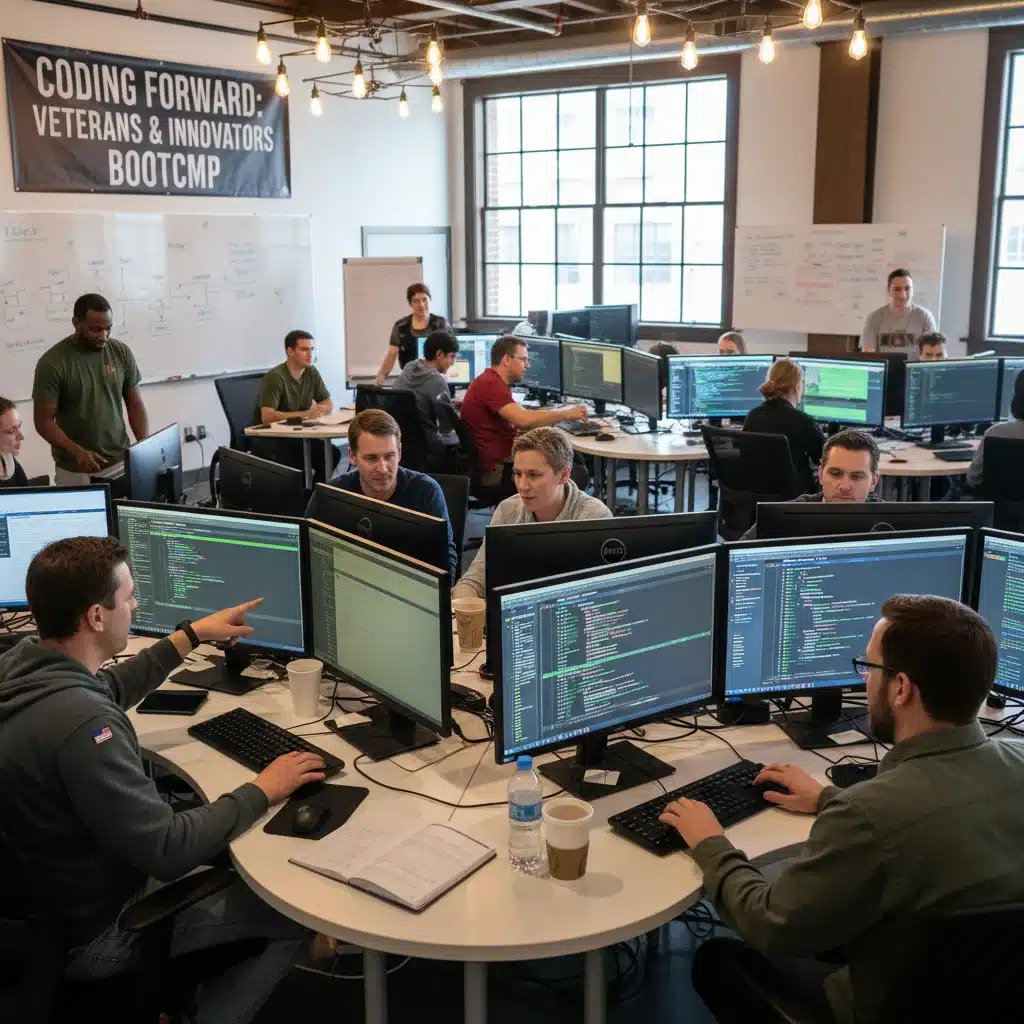
The technology sector continues to be a driving force in the global economy, consistently offering high-paying jobs and robust career growth. While traditional computer science degrees are valuable, they can be time-consuming. For veterans seeking to quickly transition into tech, specialized bootcamps and industry certifications represent a golden opportunity, fully covered by the GI Bill. These programs are designed to be intensive, hands-on, and focused on specific skills that employers demand right now. This is a prime area for GI Bill Opportunities 2026.
The Rise of Tech Bootcamps
Coding bootcamps, cybersecurity academies, data science immersive programs, and cloud computing certifications are increasingly popular. These programs typically last from 3 to 12 months and often boast high job placement rates. The VA has recognized the value of these programs, and many are now approved for GI Bill funding. This means your tuition, fees, and even your MHA could be covered while you acquire skills in areas like:
- Web Development (Full-stack, Front-end, Back-end)
- Cybersecurity Analysis and Engineering
- Data Science and Analytics
- Cloud Architecture (AWS, Azure, Google Cloud)
- UI/UX Design
- Artificial Intelligence and Machine Learning Fundamentals
The advantage of these bootcamps lies in their curriculum’s direct relevance to industry needs. They are constantly updated to reflect the latest technologies and best practices, ensuring graduates are workforce-ready. For veterans, the structured, mission-oriented environment of a bootcamp can feel familiar and conducive to success. Moreover, many bootcamps offer career services, including resume building, interview preparation, and job placement assistance, which are invaluable for transitioning service members. Exploring these intensive programs is a smart way to capitalize on your GI Bill Opportunities 2026.
Industry Certifications as Career Accelerators
Beyond bootcamps, obtaining industry-recognized certifications can significantly boost your employability and earning potential. The GI Bill can cover the costs of many certification exams and preparatory courses. Examples include:
- CompTIA certifications: A+, Network+, Security+ (foundational for IT careers)
- (ISC)² certifications: CISSP, SSCP (advanced cybersecurity roles)
- Project Management Institute (PMI) certifications: PMP, CAPM (essential for project management across industries)
- Cisco certifications: CCNA, CCNP (networking expertise)
- Microsoft Certified Professional (MCP) certifications: Various specializations in Microsoft technologies
These certifications serve as verifiable proof of expertise and are highly valued by employers. Combining a bootcamp experience with one or more relevant certifications can create a powerful resume that stands out in a competitive job market. Many veterans already possess valuable transferable skills from their military service, such as leadership, problem-solving, and technical aptitude. Tech bootcamps and certifications provide the specific language and tools to apply these skills directly to civilian tech roles. Don’t overlook these powerful GI Bill Opportunities 2026.
Untapped Opportunity 2: Vocational and Trade School Programs for Skilled Trades
While the tech sector is booming, there’s also a significant and growing demand for skilled trades professionals. Plumbers, electricians, welders, HVAC technicians, automotive mechanics, and construction managers are consistently in high demand, and these careers often offer excellent wages, job security, and the satisfaction of working with your hands. The GI Bill can be fully utilized for vocational and trade school programs, providing a direct path to a rewarding career in these essential industries. These represent excellent GI Bill Opportunities 2026 for those who prefer hands-on work.
Addressing the Skills Gap
The United States is currently facing a significant skills gap in many trades. As older generations retire, there aren’t enough new skilled workers to replace them. This creates a prime opportunity for veterans looking for stable, well-paying careers. Vocational and trade schools offer focused, practical training that can quickly lead to employment. Unlike a four-year degree, many trade programs can be completed in a year or two, allowing veterans to enter the workforce faster while still utilizing their GI Bill benefits for tuition, fees, and living expenses.
Consider the following high-demand trades that are often covered by the GI Bill:
- Welding: Critical for manufacturing, construction, and infrastructure projects. Specialized welding skills (e.g., underwater welding) can command extremely high salaries.
- HVAC/R (Heating, Ventilation, Air Conditioning, and Refrigeration): Essential for residential, commercial, and industrial climate control.
- Electrical Technology: From residential wiring to industrial control systems, electricians are always needed.
- Plumbing: A fundamental necessity for all buildings, offering consistent work.
- Automotive/Diesel Mechanics: With increasingly complex vehicles, skilled technicians are in demand.
- Construction Management: Combines hands-on knowledge with project management skills.
Benefits of Trade School for Veterans
Many veterans find the structured, hands-on learning environment of trade schools to be an excellent fit for their military training. The emphasis on practical skills, problem-solving, and direct application of knowledge resonates strongly. Furthermore, many trade programs involve apprenticeships or on-the-job training components, which the GI Bill can also cover. This allows veterans to earn a wage while continuing their education and gaining valuable experience. This combination of education and earning potential makes these some of the most practical GI Bill Opportunities 2026.
The career outlook for skilled trades is robust, with many positions offering pathways to entrepreneurship. A veteran who trains as an electrician, for example, could eventually start their own electrical contracting business. The independence and direct impact of these roles can be incredibly fulfilling. Research local trade schools and their VA approval status to explore these valuable options for your GI Bill Opportunities 2026.
Untapped Opportunity 3: Entrepreneurship and Small Business Training
Many veterans possess an entrepreneurial spirit, cultivated by their leadership experience, discipline, and problem-solving skills acquired in the military. The desire to be their own boss and build something from the ground up is a powerful motivator. What many don’t realize is that the GI Bill can support their entrepreneurial aspirations through specialized training programs and even some business incubators. This is an often-overlooked avenue for leveraging your GI Bill Opportunities 2026.
GI Bill and Entrepreneurial Programs
While the GI Bill doesn’t directly fund a startup business, it can cover the costs of programs designed to equip veterans with the knowledge and skills needed to launch and grow a successful venture. These programs can include:
- Small Business Management Courses: Offered by universities, community colleges, and specialized institutions, these courses cover business planning, finance, marketing, legal aspects, and operations.
- Entrepreneurship Bootcamps: Intensive programs focused on taking an idea from conception to market, often including mentorship and pitch training.
- Franchise Ownership Training: Specific programs that educate veterans on the process of buying and operating a franchise.
- Business Incubator Programs: Some VA-approved incubators offer educational components that can be covered by the GI Bill, providing resources and mentorship to early-stage startups.
The key is to look for programs that are specifically approved by the VA for GI Bill funding. These programs provide a structured learning environment where veterans can develop a robust business plan, understand market dynamics, and learn how to secure funding. The experience and discipline gained in the military are highly transferable to entrepreneurship, and these programs provide the civilian business acumen needed to succeed. This is a unique and powerful way to utilize your GI Bill Opportunities 2026.
Resources Beyond the GI Bill
It’s also worth noting that the VA and other organizations offer additional resources for veteran entrepreneurs that complement GI Bill-funded education. The Small Business Administration (SBA) has programs like ‘Boots to Business’ and ‘Veteran Women Igniting the Spirit of Entrepreneurship (V-WISE)’. These programs, combined with GI Bill-supported training, create a powerful ecosystem for veteran business owners. Leveraging these resources in conjunction with your GI Bill Opportunities 2026 can significantly increase your chances of success.
For veterans who dream of owning their own business, exploring these entrepreneurial training programs is a strategic move. It allows them to gain the necessary expertise without incurring significant debt, setting a solid foundation for their future ventures. The independence and control that come with entrepreneurship can be incredibly appealing to those transitioning from military life.

Untapped Opportunity 4: Non-Traditional Degrees and Certificates in Emerging Fields
The world is changing rapidly, and with it, new fields of study and career paths are emerging. These often fall outside the traditional academic departmental structures but are critical for future industries. The GI Bill can be used to pursue degrees and certificates in these non-traditional, yet highly valuable, areas. Keeping an eye on these innovative programs can reveal some of the most forward-thinking GI Bill Opportunities 2026.
Examples of Emerging Fields
Consider fields such as:
- Renewable Energy Technology: With a global push towards sustainable energy, careers in solar panel installation, wind turbine maintenance, and renewable energy systems design are growing.
- Environmental Science and Sustainability: Programs focusing on ecological restoration, sustainable agriculture, and environmental policy are becoming increasingly important.
- Geospatial Technology (GIS): Geographic Information Systems are used in urban planning, environmental management, disaster response, and intelligence, offering diverse career paths.
- Advanced Manufacturing: This includes robotics, automation, and 3D printing, which are revolutionizing production processes.
- Digital Marketing and E-commerce: As businesses increasingly operate online, expertise in SEO, content marketing, social media, and e-commerce platforms is in high demand.
- Healthcare Informatics: The intersection of healthcare and information technology, focusing on managing and analyzing health data.
These fields often offer interdisciplinary programs, drawing on knowledge from various traditional subjects to create new specializations. Universities and colleges are increasingly developing these programs to meet market demands, and many are approved for GI Bill funding. The key is to research carefully and confirm VA approval.
Benefits of Non-Traditional Programs
One of the main benefits of these non-traditional programs is that they position veterans at the forefront of new industries. This can lead to less competition for jobs, higher starting salaries, and greater opportunities for innovation and leadership. Furthermore, many of these fields align well with the problem-solving and technical skills veterans already possess.
For example, a veteran with experience in logistics might find a career in supply chain management using advanced manufacturing principles, or a veteran with strong analytical skills could excel in geospatial intelligence. These programs provide the specialized knowledge to bridge military experience with cutting-edge civilian careers. Don’t limit your thinking to traditional degrees; explore these dynamic GI Bill Opportunities 2026.
How to Navigate and Apply for GI Bill Benefits in 2026
Once you’ve identified potential educational paths, the next step is to navigate the application process for your GI Bill benefits. While the process itself is generally straightforward, meticulous attention to detail can prevent delays and ensure you receive your benefits on time. This section will guide you through the essential steps and considerations for maximizing your GI Bill Opportunities 2026.
Step 1: Confirm Your Eligibility and Benefit Level
Before anything else, confirm your eligibility and the percentage of benefits you qualify for. You can do this by applying for your Certificate of Eligibility (COE) through the VA’s website (VA.gov). The COE will detail your entitlement, including the number of months of benefits, your percentage rate, and any time limits. Having this document in hand is crucial for planning your educational journey and understanding the scope of your GI Bill Opportunities 2026.
Step 2: Research VA-Approved Programs and Institutions
Not all educational programs or institutions are approved for GI Bill funding. It is imperative to verify that your chosen school or program is VA-approved. The VA’s WEAMS (Web Enabled Approval Management System) database is an excellent resource for this. You can search for institutions, programs, and even specific courses. If a program isn’t listed, it doesn’t necessarily mean it’s not eligible; the school might be in the process of getting it approved, or you might need to contact the school’s Veteran Affairs office for clarification. This due diligence is critical for accessing your GI Bill Opportunities 2026.
Step 3: Apply to Your Chosen Program
Once you’ve confirmed VA approval, proceed with the application process for your desired school or program. Each institution will have its own admissions requirements, which may include transcripts, essays, or entrance exams. Many institutions have dedicated veteran support services that can assist you with this process, often waiving application fees for veterans. Engage with these resources to streamline your application.
Step 4: Submit Your Enrollment Certification
After you’ve been accepted and enrolled, the school’s Certifying Official (often located in the Registrar’s office or Veteran Services) will submit your enrollment information to the VA. This is known as enrollment certification. This step is vital for initiating your benefits, including tuition payments to the school and your Monthly Housing Allowance (MHA) and book stipend directly to you. Ensure that the Certifying Official has all necessary documentation, including your COE and any other required forms. Timely submission is key to unlocking your GI Bill Opportunities 2026 without delay.
Step 5: Monitor Your Benefits and Stay Informed
Regularly check your eBenefits account on VA.gov to monitor the status of your benefits. Life happens, and sometimes you may need to adjust your enrollment (e.g., drop a course, change programs). Always communicate any changes to your school’s Certifying Official immediately, as changes in enrollment can impact your benefits. Staying informed about VA policy updates and deadlines will ensure you continuously maximize your GI Bill Opportunities 2026.
Additional Tips for Success:
- Connect with Veteran Support Services: Most colleges and universities have dedicated offices for veterans. These offices are invaluable resources for academic advising, navigating benefits, and connecting with other veterans.
- Explore Additional Funding: While the GI Bill is generous, consider applying for scholarships specifically for veterans. Websites like ScholarshipUniverse or specific veteran organizations often list these opportunities.
- Understand the Yellow Ribbon Program: If your tuition exceeds the maximum GI Bill cap for private or out-of-state public schools, the Yellow Ribbon Program can help cover the difference. Not all schools participate, so check with your institution.
- Consider Apprenticeships and On-the-Job Training: These programs allow you to learn a skill or trade while earning a salary, with the GI Bill supplementing your income. They are excellent practical GI Bill Opportunities 2026.
Strategic Planning for Long-Term Success with Your GI Bill Benefits
Maximizing your GI Bill Opportunities 2026 isn’t just about choosing a program; it’s about strategic planning for your long-term career success. Your GI Bill benefits are a significant investment in your future, and approaching their utilization with a clear vision can make all the difference. This involves thoughtful consideration of your career goals, market trends, and how your military experience translates into civilian value.
Aligning Education with Career Goals
Before committing to any program, take time to reflect on your long-term career aspirations. Do you envision yourself in a leadership role within a corporation, running your own business, or working in a highly specialized technical field? Research the educational requirements and typical career paths for your desired roles. This will help you select a program that directly contributes to your goals, rather than just earning a degree or certificate for its own sake. Consider informational interviews with professionals in your target industries to gain insights into their career trajectories and educational backgrounds. This proactive approach ensures your GI Bill Opportunities 2026 are well-spent.
Leveraging Transferable Military Skills
Your military service has equipped you with a unique set of skills: leadership, teamwork, discipline, problem-solving under pressure, technical proficiency, and adaptability. These are highly valued in the civilian workforce. When choosing an educational path, consider how your military experience can be a powerful asset. For example, a logistics specialist might excel in a supply chain management program, or a combat medic could transition effectively into healthcare administration or a specialized medical technician role. Frame your military experience as a foundation upon which your new education will build, making your story compelling to future employers. This strategic framing enhances your GI Bill Opportunities 2026.
Networking and Mentorship
Education is not just about classroom learning; it’s also about building connections. Actively participate in veteran student organizations, industry events, and professional associations. Networking can open doors to internships, mentorship opportunities, and ultimately, job offers. Seek out mentors who have successfully transitioned from military to civilian careers in your desired field. Their guidance can be invaluable in navigating challenges and identifying further opportunities. Many educational institutions have robust alumni networks that are particularly welcoming to veteran graduates. Embrace these connections as part of your overall strategy for maximizing your GI Bill Opportunities 2026.
Continuous Learning and Adaptability
The job market is dynamic, and continuous learning is essential for long-term career resilience. Even after completing your GI Bill-funded education, commit to ongoing professional development. This might involve additional certifications, workshops, or simply staying current with industry trends through professional publications and online courses. The ability to adapt to new technologies and evolving job requirements is a hallmark of successful professionals. Your initial GI Bill investment should be seen as a strong launchpad, not the endpoint, of your educational and career journey. Plan for lifelong learning as you leverage your GI Bill Opportunities 2026.
Financial Planning Beyond the GI Bill
While the GI Bill covers significant educational expenses, it’s wise to have a financial plan that extends beyond your benefits. Understand how your MHA will factor into your budget and explore any additional financial aid options, such as scholarships or grants, that might be available. If you’re considering entrepreneurship, research small business loans and veteran-specific grants. A solid financial foundation allows you to focus on your studies and career transition without undue stress, ensuring you get the most out of your GI Bill Opportunities 2026.
Conclusion: Seizing Your 2026 GI Bill Opportunities
The Post-9/11 GI Bill is one of the most powerful benefits available to veterans, offering an unparalleled chance to invest in your future. By looking beyond traditional educational paths and exploring high-demand tech bootcamps, skilled trade programs, entrepreneurial training, and non-traditional degrees in emerging fields, you can truly maximize your GI Bill Opportunities 2026. The key is to be proactive, conduct thorough research, and align your educational choices with your long-term career aspirations.
Remember, your military service has prepared you with a unique set of skills and an incredible work ethic. Combine that foundation with strategic educational choices, and you are well-positioned for significant success in the civilian world. Don’t let your benefits go unused or underutilized. Take the time to explore these untapped opportunities, engage with veteran resources, and plan your educational journey wisely. The year 2026 offers a fresh start and a chance to redefine your career trajectory. Seize these GI Bill Opportunities 2026 and build the future you’ve earned and deserve.
For more detailed information and to apply for your benefits, always refer to the official Department of Veterans Affairs website at VA.gov.