2026 Federal Budget Breakdown: Where Your Tax Dollars Go
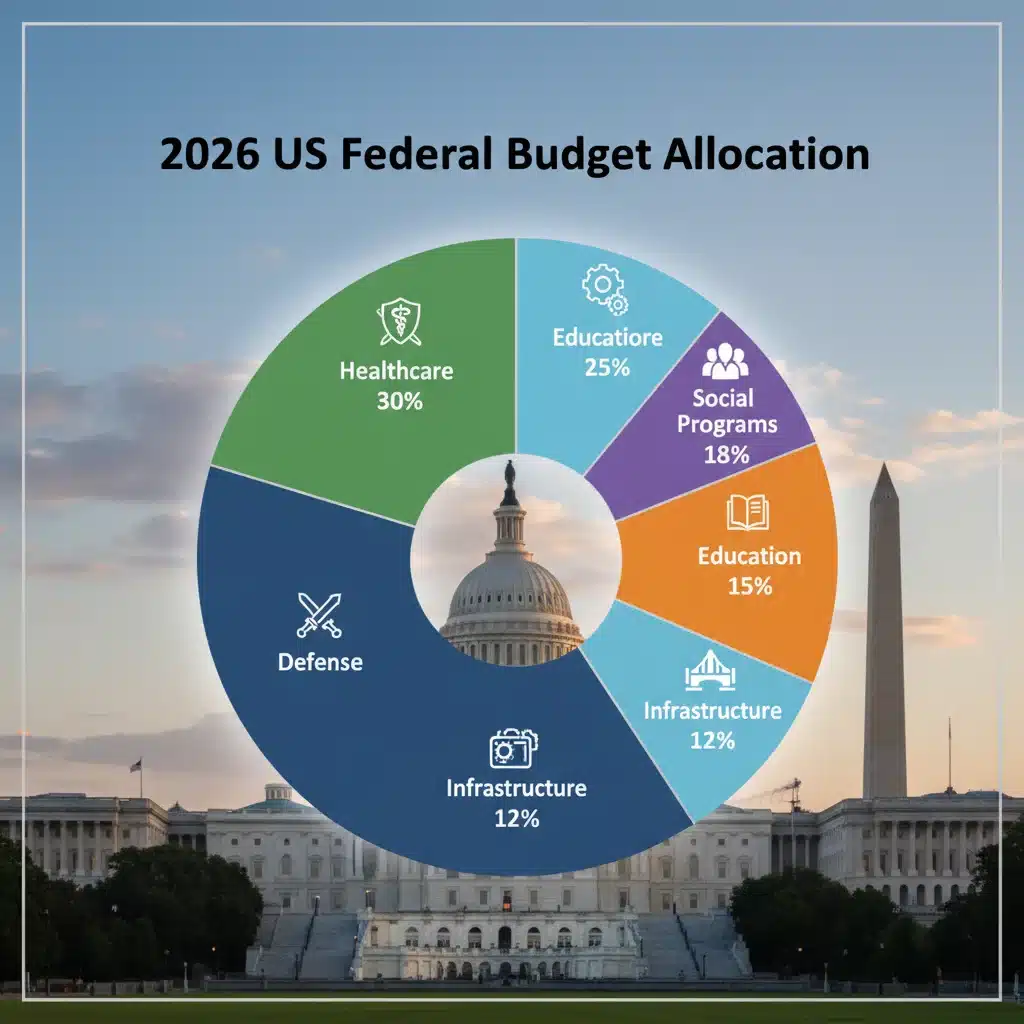
The 2026 Federal Budget: Where Your Tax Dollars Are Going This Year (Insider Knowledge)
Understanding the intricacies of the 2026 Federal Budget is crucial for every citizen. It’s not just a collection of numbers; it’s a blueprint for the nation’s priorities, a reflection of its values, and a direct indicator of where your hard-earned tax dollars are being invested. This comprehensive guide will dissect the proposed 2026 Federal Budget, offering insider knowledge and a detailed breakdown of its key components. From defense to healthcare, education to infrastructure, we’ll explore the significant allocations and their potential impact on the economy and everyday life.
The federal budget is a monumental document, meticulously crafted through months of deliberation, negotiation, and economic forecasting. It outlines the government’s projected revenues and expenditures for the upcoming fiscal year. For 2026, the budget is shaped by a complex interplay of domestic needs, global challenges, and ongoing economic recovery efforts. As we delve into the specifics, it becomes clear that every line item has a purpose, aiming to address critical societal issues, stimulate growth, and ensure national security. Grasping the nuances of the 2026 Federal Budget allows for a more informed perspective on national policy and personal financial planning.
This article aims to demystify the federal budget process, making it accessible and understandable. We’ll go beyond the headlines to provide a deeper insight into the strategic thinking behind the allocations. Whether you’re a taxpayer, an economist, a student, or simply an engaged citizen, this analysis of the 2026 Federal Budget will equip you with the knowledge to understand its far-reaching implications.
Understanding the Federal Budget Process: A Glimpse Behind the Curtain
Before we dive into the specific allocations of the 2026 Federal Budget, it’s essential to understand how this colossal financial plan comes into being. The process is lengthy and involves multiple branches of government, reflecting a system of checks and balances designed to ensure accountability and broad representation. It typically begins with the President submitting a budget request to Congress. This request, often released in early spring, is the administration’s vision for spending and revenue for the upcoming fiscal year.
Following the President’s submission, Congress takes over. Both the House of Representatives and the Senate review the President’s proposal, conducting hearings, and gathering input from various agencies, experts, and the public. The Congressional Budget Office (CBO), a non-partisan agency, provides independent analyses of the budget and economic projections, which are crucial for informed decision-making. This phase often involves intense debate and negotiation as different political priorities and regional needs are brought to the forefront. The ultimate goal is to pass a series of appropriations bills that fund the government for the fiscal year, which begins on October 1st.
The formulation of the 2026 Federal Budget is not just an annual exercise; it’s a continuous cycle of planning, execution, and oversight. Economic forecasts, geopolitical events, and domestic challenges can all necessitate adjustments and re-prioritizations throughout the year. Understanding this dynamic process provides valuable context for interpreting the final budget document and appreciating the complexities involved in managing the nation’s finances. The decisions made during this process directly influence everything from national security to local community development, making the 2026 Federal Budget a document of immense significance.
Key Pillars of the 2026 Federal Budget: Major Spending Categories
The 2026 Federal Budget is structured around several major spending categories, each reflecting a critical area of national interest. These categories typically include defense, healthcare, social security, education, infrastructure, and various social programs. A significant portion of the budget is dedicated to mandatory spending, which includes entitlements like Social Security and Medicare, whose funding levels are determined by existing laws rather than annual appropriations. Discretionary spending, on the other hand, is what Congress directly controls through annual appropriations bills and includes areas like defense, education, and transportation.
National Defense: Ensuring Security in a Changing World
Defense spending consistently represents a substantial portion of the federal budget. For the 2026 Federal Budget, allocations are expected to focus on modernizing military capabilities, investing in advanced technologies, supporting military personnel, and addressing emerging global threats. This includes funding for research and development in areas like cybersecurity, artificial intelligence, and space defense, as well as maintaining readiness for conventional operations. The strategic importance of maintaining a robust defense posture in a volatile international landscape cannot be overstated, and the 2026 budget reflects these ongoing commitments. Expect to see continued investment in naval modernization, air superiority, and ground force readiness, alongside efforts to enhance intelligence gathering and special operations capabilities.
Healthcare: Addressing Public Health and Access
Healthcare expenditures, primarily through Medicare and Medicaid, constitute another massive segment of the 2026 Federal Budget. These programs provide essential health services to millions of Americans. The 2026 budget will likely continue to address rising healthcare costs, expand access to care, and invest in public health initiatives. This could include funding for medical research, disease prevention, mental health services, and initiatives aimed at lowering prescription drug prices. The lessons learned from recent public health crises will undoubtedly influence the strategic allocation of funds in this sector, with an increased emphasis on preparedness and resilience. Furthermore, discussions around expanding telehealth services and improving healthcare infrastructure in underserved areas are likely to be reflected in the budget’s provisions.
Social Security: Protecting Retirees and Vulnerable Populations
As a mandatory spending program, Social Security‘s funding levels are largely dictated by existing law, but the 2026 Federal Budget still plays a role in its long-term stability and administration. This vital program provides retirement, disability, and survivor benefits to millions of Americans. The budget will likely include measures to ensure the program’s solvency and efficient operation, reflecting the government’s commitment to supporting its most vulnerable citizens. Debates about potential reforms or adjustments to Social Security are ongoing, and while the core structure remains, the budget may address administrative efficiencies or minor policy tweaks. The demographic shifts in the population mean that Social Security’s long-term viability is a perennial concern, and the 2026 budget will implicitly or explicitly acknowledge these challenges.
Education: Investing in the Future Workforce
Investment in education is crucial for national prosperity and competitiveness. The 2026 Federal Budget is expected to allocate funds towards various educational initiatives, including K-12 schooling, higher education, vocational training, and early childhood development programs. Priorities may include enhancing access to quality education, addressing student debt, promoting STEM fields, and supporting disadvantaged students. These investments are designed to strengthen the nation’s human capital, foster innovation, and prepare the workforce for the challenges of the 21st century. Expect to see continued support for Pell Grants, federal student loan programs, and initiatives aimed at improving educational outcomes in low-income communities. Additionally, funding for research universities often falls under this umbrella, contributing to scientific advancement and technological breakthroughs.

Infrastructure: Building a Modern Nation
Modernizing the nation’s infrastructure is a bipartisan priority. The 2026 Federal Budget will likely dedicate substantial resources to improving roads, bridges, public transit, airports, and broadband internet access. These investments are vital for economic growth, enhancing connectivity, and improving the quality of life for citizens. Beyond traditional infrastructure, there’s a growing emphasis on resilient infrastructure that can withstand the impacts of climate change and support sustainable development. The budget will aim to not only repair existing infrastructure but also to build new, future-proof systems that can support a dynamic economy. This includes significant allocations for renewable energy projects, smart city initiatives, and improvements to the national power grid.
Other Key Areas: Research, Environment, and Social Programs
Beyond these major categories, the 2026 Federal Budget also allocates funds to a wide array of other critical areas. This includes funding for scientific research and development, environmental protection and climate change initiatives, housing assistance, food security programs, and international aid. Each of these areas plays a vital role in addressing specific societal needs and contributing to overall national well-being. The budget reflects a holistic approach to governance, recognizing that a strong nation requires investments across diverse sectors. For example, environmental protection efforts might include funding for national parks, clean energy research, and initiatives to reduce pollution. Social programs often include funding for veterans’ services, disaster relief, and programs aimed at reducing poverty.
Economic Implications of the 2026 Federal Budget
The 2026 Federal Budget is more than just an accounting document; it’s a powerful economic tool that can influence inflation, employment, and economic growth. Government spending can stimulate demand, create jobs, and foster innovation, while tax policies affect disposable income and investment decisions. Economists will closely analyze the budget’s projections for deficits and national debt, as these have long-term implications for fiscal sustainability and future economic stability. The balance between stimulating the economy and maintaining fiscal responsibility is a constant challenge in budget formulation.
The budget’s impact on specific industries is also a key consideration. Increased spending in areas like infrastructure or green technology can create new opportunities and drive growth in those sectors. Conversely, cuts in certain areas could lead to job losses or reduced investment. The 2026 Federal Budget will be scrutinized for its potential to address income inequality, promote equitable growth, and enhance the nation’s overall economic resilience. Policymakers strive to craft a budget that not only meets immediate needs but also lays the groundwork for sustained prosperity. The interplay between monetary policy (managed by the central bank) and fiscal policy (the budget) is critical, and the 2026 budget will be designed to complement existing economic strategies.
Inflationary Pressures and Fiscal Responsibility
One of the significant economic considerations for the 2026 Federal Budget is its potential impact on inflation. In an environment where inflationary pressures might still be a concern, government spending levels and how they are financed become critically important. A large increase in deficit spending without corresponding revenue increases could exacerbate inflation. Conversely, overly restrictive fiscal policies could stifle economic growth. The budget aims to strike a delicate balance, providing necessary investments while striving to maintain fiscal responsibility and avoid overheating the economy. This involves careful forecasting of revenue streams and a disciplined approach to expenditure. The budget documents often include detailed analyses of these potential economic impacts, providing a transparent view of the government’s fiscal strategy.
Job Creation and Workforce Development
The 2026 Federal Budget is expected to contain provisions aimed at stimulating job creation and enhancing workforce development. Investments in infrastructure projects, clean energy initiatives, and technological research often lead to the creation of new jobs across various sectors. Furthermore, funding for vocational training programs, community colleges, and re-skilling initiatives helps ensure that the workforce has the necessary skills to meet the demands of a changing economy. These targeted investments are crucial for reducing unemployment, increasing labor force participation, and boosting overall economic productivity. The budget often highlights specific job growth projections tied to its spending initiatives, offering a tangible measure of its economic impact.
Insider Knowledge: What to Watch For in the 2026 Federal Budget
Beyond the broad categories, the 2026 Federal Budget contains subtle shifts and specific initiatives that offer deeper insights into the administration’s priorities. One area to watch closely is the allocation for emerging technologies. Significant increases in funding for artificial intelligence, quantum computing, and biotechnology could signal a national commitment to leading in these critical fields. These investments often have long-term payoffs, driving innovation and creating new industries.
Another key indicator is the budget’s approach to climate change. Expect to see continued or expanded funding for renewable energy research, climate resilience projects, and initiatives aimed at reducing carbon emissions. These allocations reflect a growing recognition of the economic and environmental imperative to address climate change. Furthermore, pay attention to any proposed changes in tax policy. Even minor adjustments to corporate or individual tax rates can have significant ripple effects across the economy and influence investment decisions. The 2026 Federal Budget is not just about spending; it’s also about how that spending is financed.
Regional Impacts and Specific Programs
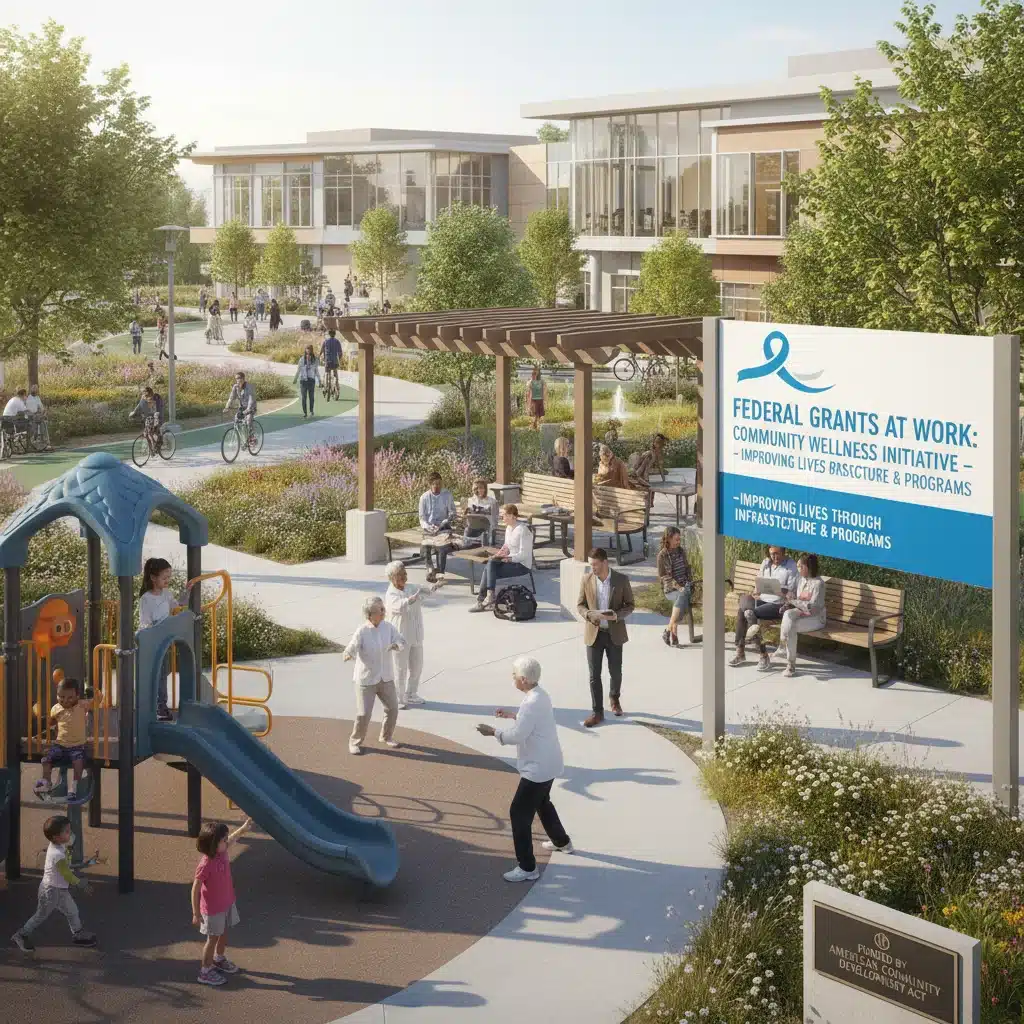
While the federal budget is a national document, its impacts are often felt most acutely at the regional and local levels. The 2026 Federal Budget will likely include specific grants, programs, and initiatives designed to address regional disparities, support distressed communities, or target particular industries. For instance, funding for rural broadband expansion, urban revitalization projects, or specific agricultural subsidies can have transformative effects on local economies. Understanding these localized allocations provides a more granular view of how federal dollars translate into tangible benefits and challenges across the country. Advocacy groups and local governments will be keenly watching these specific provisions to understand their potential impact.
Future-Proofing the Economy: Innovation and Competitiveness
A significant underlying theme in the 2026 Federal Budget is the concept of future-proofing the economy. This involves strategic investments in areas that will ensure the nation’s long-term competitiveness and resilience. This can include funding for advanced manufacturing, supply chain resilience initiatives, and programs to foster entrepreneurship and small business growth. The budget seeks to anticipate future economic challenges and opportunities, making proactive investments rather than merely reacting to current conditions. This forward-looking approach is vital for maintaining economic leadership in a rapidly evolving global landscape. The emphasis on research and development, particularly in cutting-edge scientific fields, underscores this commitment to innovation as a cornerstone of future prosperity.
Citizen Engagement and Oversight of the 2026 Federal Budget
The federal budget is a public document, and citizen engagement is crucial for ensuring accountability and transparency. Understanding where your tax dollars are going empowers you to hold elected officials accountable and advocate for policies that align with your values. Resources from government agencies, non-partisan think tanks, and media outlets can help you stay informed about the 2026 Federal Budget and its implications. Attending town halls, contacting your representatives, and participating in public forums are all ways to voice your opinions and contribute to the democratic process.
The budget also undergoes extensive auditing and oversight throughout the fiscal year. Government accountability offices and congressional committees continuously review spending to ensure funds are used efficiently and effectively, as intended by law. This oversight process is designed to prevent waste, fraud, and abuse, and to ensure that the 2026 Federal Budget achieves its stated objectives. Transparency in government spending is a cornerstone of a healthy democracy, allowing citizens to trace the path of their tax contributions and understand the tangible outcomes.
Staying Informed: Resources for Budget Analysis
For those seeking to delve deeper into the specifics of the 2026 Federal Budget, numerous resources are available. The Congressional Budget Office (CBO) publishes detailed reports and analyses, offering unbiased insights into the budget’s economic impacts and projections. The Office of Management and Budget (OMB) provides the President’s budget request and supporting documents. Additionally, many non-profit organizations and academic institutions offer their own analyses, often breaking down complex budget items into more digestible formats. Utilizing these resources can significantly enhance your understanding of the budget’s nuances and its potential effects on various aspects of society. Staying informed is the first step towards meaningful civic participation.
The Long-Term View: Beyond 2026
While this article focuses on the 2026 Federal Budget, it’s important to remember that budget decisions often have long-term consequences, extending far beyond a single fiscal year. Investments made today in infrastructure, education, and research can yield benefits for decades. Similarly, choices regarding national debt and deficit spending can impact future generations. The budget is part of a continuous fiscal strategy, with each year’s plan building upon previous decisions and setting the stage for future ones. Understanding this long-term perspective is crucial for a complete appreciation of the federal budget’s significance and its role in shaping the nation’s destiny.
Conclusion: The Enduring Impact of the 2026 Federal Budget
The 2026 Federal Budget is a complex, multifaceted document that touches every aspect of national life. From the defense of the nation to the healthcare of its citizens, the education of its youth to the infrastructure that connects its communities, the budget reflects the collective priorities and aspirations of the government. By understanding where your tax dollars are allocated, you gain a clearer picture of the nation’s direction and the challenges and opportunities that lie ahead.
This insider knowledge of the 2026 Federal Budget empowers you to be a more informed and engaged citizen. It allows you to critically evaluate government policies, understand economic trends, and participate more effectively in the democratic process. As the fiscal year progresses, the implementation of this budget will undoubtedly shape the economic landscape and the lives of millions. Staying abreast of its developments and engaging with the information presented is key to comprehending the profound and enduring impact of the 2026 Federal Budget on the future of the nation.
Author