2026 Healthcare Reform: Side-by-Side Analysis of Leading Plans

The landscape of healthcare is constantly evolving, driven by technological advancements, shifting demographics, and persistent calls for improved access and affordability. As we look towards 2026, the discussions around significant healthcare reform plans are intensifying. These proposals aim to address the multifaceted challenges within the current system, from soaring costs and insurance complexities to disparities in care quality and availability. Understanding the nuances of these potential changes is crucial for policymakers, healthcare providers, patients, and every citizen invested in the future of their well-being. This article delves into a comprehensive side-by-side analysis of two leading 2026 healthcare reform plans, dissecting their core philosophies, proposed mechanisms, and anticipated impacts.
The need for reform is undeniable. Despite being one of the wealthiest nations, many struggle with healthcare affordability and access. Premiums continue to rise, deductibles are often prohibitive, and millions remain uninsured or underinsured, leading to delayed treatments and significant financial burdens. Both of the prominent healthcare reform plans we will examine seek to remedy these issues, albeit through vastly different ideological lenses and practical approaches. By comparing them directly, we can better grasp the potential future of healthcare in the coming years.
Understanding the Imperative for Healthcare Reform
Before diving into the specifics of each proposal, it’s essential to contextualize why healthcare reform plans are a perpetual topic of national debate. The current system, a complex blend of public and private insurance, has inherent strengths but also significant weaknesses. High administrative costs, fragmented care delivery, and a focus on treating illness rather than promoting wellness are just a few of the systemic issues that reformers aim to tackle. The goal for many is to create a more equitable, efficient, and effective system that serves all citizens.
Key Challenges Driving Reform Efforts:
- Cost Escalation: Healthcare expenditures continue to outpace inflation, burdening individuals, businesses, and government budgets. Prescription drug prices, hospital charges, and specialist fees are primary contributors.
- Access Disparities: Geographic location, socioeconomic status, and insurance coverage heavily influence access to quality care. Rural areas often lack sufficient providers, and low-income populations face significant barriers.
- Insurance Gaps: Even with existing reforms, millions remain uninsured, and many more are underinsured, meaning their plans have high deductibles or limited coverage, leading to significant out-of-pocket costs.
- Quality and Outcomes: While American healthcare boasts world-class innovation, national health outcomes in certain areas lag behind other developed nations. Reformers often seek to improve preventative care and chronic disease management.
- Administrative Burden: The labyrinthine nature of billing, coding, and insurance claims adds substantial administrative costs to the system, diverting resources that could otherwise be used for patient care.
These challenges form the backdrop against which the 2026 healthcare reform plans are being developed. Each plan offers a distinct vision for how to best address these deep-seated problems and reshape the future of medical care in the nation.
Proposal 1: The Universal Access Initiative (UAI)
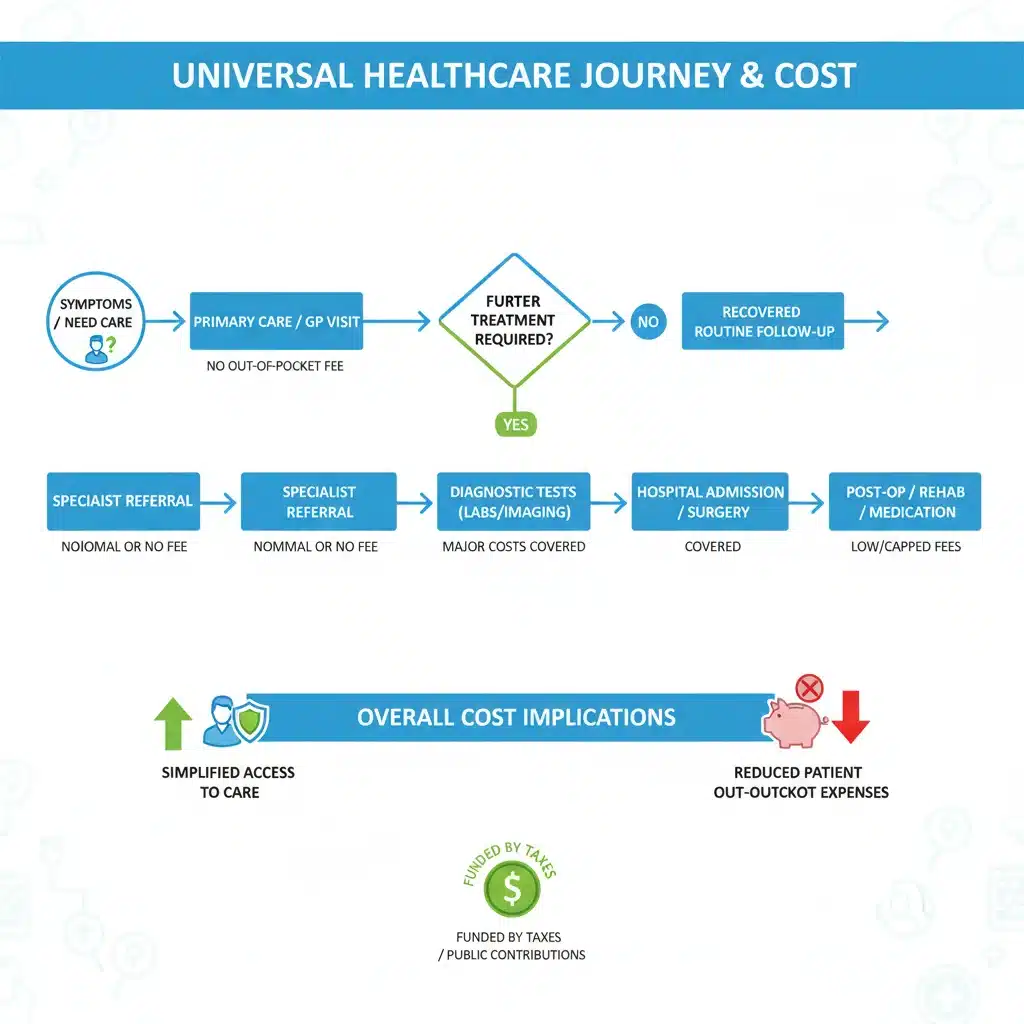
The Universal Access Initiative (UAI) represents a significant shift towards a more government-centric approach to healthcare. This plan is rooted in the philosophy that healthcare is a fundamental human right and should not be tied to employment or income. The UAI proposes a single-payer system, largely funded through progressive taxation, aiming to provide comprehensive coverage to all citizens from birth to old age. This model draws inspiration from successful universal healthcare systems in other developed countries, adapting them to the unique context of the nation.
Core Tenets of UAI:
- Single-Payer System: All medical bills would be paid by a single government entity, eliminating private health insurance for essential benefits. Supplemental private insurance for elective procedures or amenities might still exist.
- Comprehensive Benefits: Coverage would include primary care, specialist visits, hospital stays, prescription drugs, mental health services, dental, and vision care, with minimal or no co-pays and deductibles.
- Progressive Taxation Funding: The system would be financed through a combination of increased income taxes, payroll taxes, and potentially new taxes on high earners and corporations.
- Global Budgets for Providers: Hospitals and other healthcare facilities would receive global budgets from the government, rather than billing for individual services, aiming to reduce administrative overhead and incentivize preventative care.
- Negotiated Drug Prices: The government, as the sole large-scale purchaser, would have significant leverage to negotiate lower prescription drug prices directly with pharmaceutical companies.
- Focus on Preventative Care: With reduced financial barriers, the plan anticipates a greater emphasis on preventative services and early intervention, leading to better long-term health outcomes and reduced emergency care needs.
Potential Benefits of UAI:
- Universal Coverage: Eliminates uninsured and underinsured populations, ensuring everyone has access to necessary medical care.
- Reduced Administrative Costs: Simplifies billing and insurance processes, freeing up resources for direct patient care.
- Improved Public Health: Greater emphasis on preventative care and early detection could lead to a healthier population overall.
- Financial Security: Eliminates medical bankruptcies and provides financial peace of mind for individuals and families.
- Enhanced Negotiating Power: Government-led negotiations could significantly lower drug and equipment costs.
Potential Drawbacks and Criticisms of UAI:
- Higher Taxes: Requires a substantial increase in taxes for most citizens, particularly higher earners and businesses.
- Government Bureaucracy: Concerns about potential government inefficiency, long wait times for certain procedures, and lack of patient choice in providers.
- Innovation Concerns: Some argue that reduced competition and profit motives could stifle medical innovation and pharmaceutical research.
- Transition Challenges: The shift from a multi-payer to a single-payer system would be a massive undertaking, fraught with economic and logistical complexities.
- Physician Shortages: Potential for physician shortages if reimbursement rates are perceived as too low, or if doctors are unwilling to operate within a government-controlled system.
The UAI represents a bold vision for healthcare reform plans, promising equity and security but also demanding significant societal and economic adjustments. Its proponents believe the long-term benefits of a healthier, more secure population outweigh the initial costs and structural changes.
Proposal 2: The Market-Driven Health Solutions (MDHS) Plan
In stark contrast to the UAI, the Market-Driven Health Solutions (MDHS) Plan champions a philosophy centered on individual choice, competition, and market forces to drive efficiency and affordability. This plan proposes a significant deregulation of the health insurance industry and aims to empower consumers with more direct control over their healthcare spending. The MDHS framework believes that by fostering robust competition among providers and insurers, prices will naturally decrease, and quality will improve. This approach often emphasizes individual responsibility and consumer-driven healthcare.
Core Tenets of MDHS:
- Expanded Health Savings Accounts (HSAs): Encourages widespread adoption of HSAs, allowing individuals to save tax-free for medical expenses, often paired with high-deductible health plans.
- Deregulation of Insurance Markets: Allows insurers to sell plans across state lines, reducing regulations on plan offerings, and promoting a wider variety of insurance products.
- Tax Credits and Vouchers: Replaces existing subsidies with refundable tax credits or vouchers that individuals can use to purchase health insurance on an open market, regardless of employment status.
- Price Transparency: Mandates hospitals and providers to publish their prices for services, enabling consumers to shop around for the best value.
- Tort Reform: Implements measures to limit medical malpractice lawsuits, aiming to reduce defensive medicine practices and associated costs.
- Promotion of Direct Primary Care: Encourages models where patients pay a monthly fee directly to a primary care physician, bypassing insurance for routine care.
Potential Benefits of MDHS:
- Increased Consumer Choice: A wider array of insurance plans and healthcare options tailored to individual needs and budgets.
- Lower Premiums: Deregulation and increased competition among insurers could drive down premium costs.
- Cost Consciousness: HSAs and price transparency encourage consumers to be more mindful of healthcare costs, potentially leading to more efficient spending.
- Reduced Government Spending: Aims to reduce government’s direct role in healthcare funding, shifting responsibility to individuals and the private sector.
- Innovation in Healthcare Delivery: Market forces could incentivize providers to offer more innovative and cost-effective services.
Potential Drawbacks and Criticisms of MDHS:
- Reduced Coverage for Vulnerable Populations: Critics argue that tax credits may not be sufficient for low-income individuals to afford adequate coverage, potentially increasing the uninsured rate.
- Risk of Skimping on Care: High deductibles and out-of-pocket costs might deter individuals from seeking necessary care, especially preventative services.
- Information Asymmetry: Healthcare is complex; consumers may struggle to make informed decisions even with price transparency.
- Protection for Pre-existing Conditions: Concerns about how pre-existing conditions would be protected without robust regulations, potentially leading to higher costs or denial of coverage for sick individuals.
- Market Failures: Healthcare markets often don’t behave like traditional markets due to information asymmetry, urgent need, and ethical considerations, making pure market solutions challenging.
The MDHS plan presents an alternative vision for healthcare reform plans, one that prioritizes individual autonomy and economic efficiency. Its success hinges on the belief that market forces can effectively address the complexities of healthcare, but critics raise concerns about equity and access for those less able to navigate a competitive market.

Side-by-Side Comparison: UAI vs. MDHS
To truly understand the implications of these two leading healthcare reform plans, a direct comparison across key metrics is invaluable.
Coverage and Access:
- UAI: Aims for universal coverage, guaranteeing access to comprehensive care for all citizens regardless of income, employment, or health status. This virtually eliminates uninsured populations.
- MDHS: Seeks to expand access through tax credits and market competition, but coverage levels and affordability would still depend on individual choices and the effectiveness of market mechanisms. There’s a higher risk of some individuals remaining uninsured or underinsured, particularly those with significant health needs or limited financial resources.
Costs and Funding:
- UAI: Primarily funded through increased government taxation (income, payroll, corporate). Individuals would likely see higher taxes but significantly reduced out-of-pocket costs (premiums, deductibles, co-pays). Overall national healthcare spending might increase initially due to expanded access but could stabilize or decrease long-term due to administrative efficiencies and bulk purchasing power.
- MDHS: Relies on individual responsibility, HSAs, and private insurance. Government spending might decrease in direct healthcare provision but would shift to tax credits. Individuals might pay lower premiums in a competitive market but could face higher out-of-pocket costs through deductibles and co-pays, especially for extensive care.
Patient Choice and Autonomy:
- UAI: Patients would have less choice in insurance plans (as there would be one government payer) but potentially more choice in providers, assuming all providers participate in the national system. Some concerns about wait times for non-urgent procedures and potential limitations on certain treatments.
- MDHS: Emphasizes maximum patient choice in selecting insurance plans and providers. Consumers would have the freedom to choose plans that best fit their budget and needs, but this freedom comes with the responsibility of navigating a complex market and potentially higher financial exposure.
Role of Government vs. Private Sector:
- UAI: Significantly expands the government’s role as the primary payer, regulator, and, in some aspects, planner of healthcare services. The private insurance industry for essential benefits would largely be eliminated.
- MDHS: Dramatically reduces government intervention, promoting a dominant role for the private insurance industry, private healthcare providers, and market competition. The government’s role is largely limited to oversight and providing a safety net for the most vulnerable through tax credits.
Impact on Innovation:
- UAI: Potential for innovation in public health and preventative medicine, driven by population-level data and coordinated care. Concerns exist about reduced pharmaceutical and medical device innovation if profit motives are diminished by government price controls.
- MDHS: Market competition is expected to spur innovation in both insurance products and healthcare delivery. However, innovation might be skewed towards profitable areas, potentially neglecting less lucrative but critical public health needs.
Economic Implications of Each Plan
The economic ramifications of such sweeping healthcare reform plans are profound and extend far beyond individual medical bills. Each proposal carries a distinct set of economic advantages and disadvantages that would reshape national budgets, industries, and personal finances.
Economic Impact of UAI:
- National Budget: Requires a massive reallocation of federal and state funds, with a significant increase in government healthcare spending. This would be offset by eliminating existing subsidies and tax breaks for private insurance.
- Business Impact: Businesses would no longer be responsible for providing health insurance to employees, potentially freeing up capital for wages or investment. However, they would face higher payroll taxes. Small businesses might benefit from reduced administrative burdens.
- Pharmaceutical Industry: Government negotiation of drug prices would likely lead to lower profits for pharmaceutical companies, potentially impacting research and development budgets.
- Insurance Industry: The private health insurance industry for essential benefits would largely cease to exist, leading to job losses and a significant restructuring of the financial sector.
- Overall Economy: Proponents argue that a healthier workforce and reduced medical debt could boost productivity and economic stability. Critics warn of potential economic drag from higher taxes and reduced market incentives.
Economic Impact of MDHS:
- National Budget: Aims to reduce direct government healthcare spending by shifting responsibility to individuals and the private sector. Tax credits would still represent a significant government expenditure but are often framed as more efficient.
- Business Impact: Businesses would retain responsibility for offering insurance or contributing to employee HSAs, but with potentially more flexibility due to deregulation. The market-driven approach could foster competition and innovation in benefits packages.
- Pharmaceutical Industry: Would likely continue to operate under market-driven pricing, potentially maintaining higher profit margins and R&D investment.
- Insurance Industry: Would thrive in a deregulated, competitive market, offering a wider array of products. This could lead to job growth in the insurance and financial sectors.
- Overall Economy: Proponents suggest that market efficiencies and consumer choice would stimulate economic growth and reduce overall healthcare costs. Critics fear that it could exacerbate income inequality and lead to economic instability for those facing significant health crises without adequate coverage.
Societal and Ethical Considerations
Beyond economics and logistics, healthcare reform plans touch upon fundamental societal and ethical values. The choice between a universal access model and a market-driven one reflects differing philosophies on the role of government, individual liberty, and collective responsibility.
UAI’s Societal and Ethical Stance:
- Equity and Social Justice: Prioritizes the idea that health is a human right and that society has a collective responsibility to ensure everyone has access to care, regardless of ability to pay.
- Solidarity: Fosters a sense of communal responsibility where the healthy contribute to the care of the sick, and the wealthy contribute more to support the system.
- Reduced Health Disparities: Aims to level the playing field, reducing health outcomes disparities linked to socioeconomic status, race, or geographic location.
- Potential for Rationing: A common criticism is the concern that a single-payer system could lead to implicit or explicit rationing of care, longer wait times, or limitations on certain advanced treatments due to budget constraints.
MDHS’s Societal and Ethical Stance:
- Individual Liberty and Responsibility: Emphasizes the individual’s right to choose their healthcare and insurance, and their responsibility for managing those choices and costs.
- Economic Freedom: Aligns with the belief that market forces are the most efficient allocators of resources and that competition benefits consumers.
- Innovation through Competition: Argues that a competitive private sector is better at fostering innovation and responsiveness to consumer needs than a government bureaucracy.
- Potential for Inequality: Critics contend that this model inherently favors those with greater financial resources, potentially exacerbating health inequalities and leaving vulnerable populations behind.
The Road Ahead: Challenges and Implementation
Implementing either of these healthcare reform plans would be an monumental undertaking, fraught with political, logistical, and economic challenges. The transition period for each would require careful planning, public education, and robust infrastructure development.
Implementation Challenges for UAI:
- Political Will and Consensus: Overcoming entrenched opposition from powerful industries (insurance, pharmaceutical) and ideological divides.
- Massive System Overhaul: Replacing existing insurance infrastructure with a new government-run system, including IT, billing, and administrative processes.
- Provider Buy-in: Ensuring healthcare providers are willing to operate within the new reimbursement structures and administrative framework.
- Public Acceptance of Tax Increases: Convincing the public that higher taxes are a necessary trade-off for universal, comprehensive care.
Implementation Challenges for MDHS:
- Ensuring Adequate Coverage for All: Designing tax credit systems that truly provide sufficient financial assistance to low-income and high-need individuals.
- Preventing Market Failures: Establishing regulatory frameworks that promote healthy competition while preventing predatory practices or market consolidation.
- Consumer Education: Empowering individuals to make complex healthcare decisions in a deregulated market, requiring significant educational resources.
- Protecting Vulnerable Populations: Crafting mechanisms to ensure that individuals with pre-existing conditions or chronic illnesses are not left without affordable, comprehensive care.
Conclusion: Navigating the Future of Healthcare
The debate over healthcare reform plans for 2026 is not merely a policy discussion; it is a fundamental conversation about national values, economic priorities, and the very definition of well-being. Both the Universal Access Initiative and the Market-Driven Health Solutions Plan offer compelling, yet fundamentally different, visions for addressing the persistent challenges in healthcare.
The UAI promises a future of universal coverage, financial security, and reduced administrative burden, albeit with higher taxes and a larger governmental footprint. The MDHS counters with a vision of individual choice, market efficiency, and lower direct government involvement, though critics fear it could exacerbate inequalities and leave some vulnerable. As we move closer to 2026, the careful consideration of these proposals, their potential benefits, and their inherent risks will be paramount. The ultimate goal remains the same: to forge a healthcare system that is accessible, affordable, and delivers high-quality care to all who need it, ensuring a healthier and more prosperous future for everyone.
Engaging in informed dialogue, understanding the intricate details of each plan, and weighing their long-term implications are crucial steps for every citizen. The future of healthcare depends on these critical decisions, shaping not just our medical care, but the very fabric of our society.
Author