Clean Energy Credits vs. Traditional Subsidies: 2026 Policy Showdown
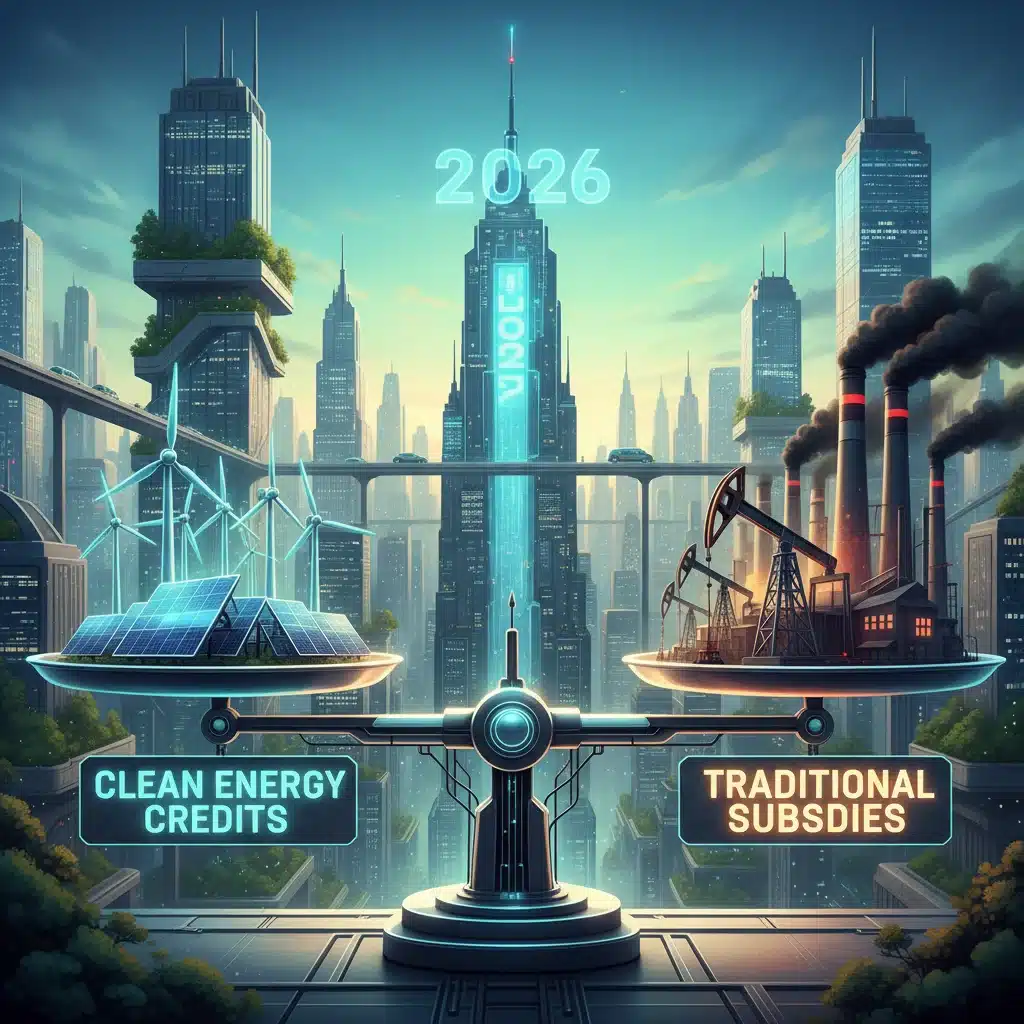
In the dynamic landscape of global energy policy, 2026 stands as a pivotal year, marked by intensified debate and strategic shifts. Nations worldwide are grappling with the urgent need to decarbonize their economies while ensuring energy security and affordability. At the heart of this discussion lies a fundamental question: what is the most effective mechanism to drive the energy transition? This comprehensive article delves into a critical energy policy comparison, examining the merits and drawbacks of clean energy credits versus traditional subsidies, and exploring their potential impacts on the energy sector, economies, and the environment in 2026 and beyond.
The journey towards a sustainable energy future is complex, requiring a delicate balance of incentives, regulations, and market forces. For decades, traditional subsidies have played a significant role in shaping energy markets, often supporting established industries like fossil fuels. However, as the climate crisis deepens and technological advancements in renewable energy accelerate, a new paradigm is emerging. Clean energy credits, particularly tax credits, are gaining traction as a more market-oriented and efficient way to foster green technologies and practices.
Understanding the nuances of these two approaches is crucial for policymakers, industry leaders, investors, and the public. This analysis will provide a detailed look at their definitions, historical contexts, economic implications, environmental efficacy, and the political will driving their adoption. By dissecting the intricacies of clean energy credits and traditional subsidies, we aim to offer a clearer perspective on which path is more likely to accelerate the global transition to a low-carbon economy.
The Foundational Framework: Defining Clean Energy Credits and Traditional Subsidies
Before we embark on a detailed energy policy comparison, it’s essential to establish a clear understanding of what constitutes clean energy credits and traditional subsidies.
Traditional Subsidies: A Legacy of Support
Traditional subsidies are direct or indirect financial benefits provided by governments to specific industries or activities. In the energy sector, these have historically taken various forms:
- Direct Payments: Cash grants to producers or consumers.
- Tax Exemptions/Reductions: Lower tax rates or exemptions on fuel, equipment, or income.
- Price Supports: Guaranteeing a minimum price for a commodity, often above market rates.
- Loan Guarantees: Government backing for loans, reducing borrowing costs for companies.
- Infrastructure Development: Public funding for roads, pipelines, or grid expansions that primarily benefit certain energy sources.
- Regulatory Loopholes: Policies that inadvertently or intentionally reduce costs or environmental compliance burdens for specific energy types.
Historically, traditional subsidies have been instrumental in developing nascent industries, ensuring energy supply, and stabilizing prices. However, they have also been criticized for distorting markets, creating dependency, and often favoring established, carbon-intensive industries, thereby hindering the transition to cleaner energy sources. The International Monetary Fund (IMF) and other organizations have frequently highlighted the vast sums spent globally on fossil fuel subsidies, arguing that these funds could be better utilized to address climate change and promote sustainable development.
Clean Energy Credits: A Market-Oriented Approach
Clean energy credits, particularly in the context of 2026 policy discussions, primarily refer to tax credits and other market-based mechanisms designed to incentivize the production and adoption of renewable energy and energy efficiency technologies. Unlike direct subsidies, credits often work by reducing a company’s or individual’s tax liability, making investments in clean energy more financially attractive. Key forms include:
- Production Tax Credits (PTCs): Payments based on the amount of electricity generated from renewable sources (e.g., wind, solar).
- Investment Tax Credits (ITCs): Credits based on a percentage of the capital cost of installing renewable energy systems.
- Clean Hydrogen Credits: Incentives for producing low-carbon hydrogen.
- Advanced Manufacturing Credits: Tax breaks for manufacturing components of clean energy technologies domestically.
- Carbon Credits/Offsets: Marketable permits that allow the holder to emit one tonne of carbon dioxide equivalent, often generated by projects that reduce greenhouse gas emissions.
\
The philosophy behind clean energy credits is to leverage market forces. By making clean energy more competitive, these credits aim to accelerate innovation, reduce costs through economies of scale, and attract private investment without the perception of direct government handouts. This approach is seen by many as a more sustainable and less distorting way to support emerging technologies and achieve environmental goals.
Economic Impacts: A Tale of Two Strategies
The economic ramifications of both traditional subsidies and clean energy credits are profound and varied. A thorough energy policy comparison must scrutinize how each mechanism influences investment, job creation, market competition, and ultimately, consumer costs.
The Economic Footprint of Traditional Subsidies
Traditional subsidies, while often designed to support specific sectors or maintain affordability, come with significant economic trade-offs:
- Market Distortion: By artificially lowering prices or costs for certain energy sources, subsidies can prevent fair competition and hinder the growth of more efficient or environmentally friendly alternatives.
- Fiscal Burden: Direct subsidies represent a significant drain on public finances, potentially diverting funds from other critical areas like education, healthcare, or infrastructure.
- "Lock-in" Effect: Long-term subsidies for fossil fuels can create a "lock-in" effect, making it harder for economies to transition away from carbon-intensive infrastructure and technologies.
- Inefficiency: Subsidies can reduce the incentive for companies to innovate and improve efficiency if their profitability is guaranteed by government support.
- Job Creation: While they can preserve jobs in existing industries, they may also stifle the creation of new jobs in emerging sectors.
For instance, in countries where gasoline prices are heavily subsidized, there’s less incentive for consumers to purchase fuel-efficient vehicles or for public transport to expand, leading to higher consumption and associated environmental costs. The economic impact is often a complex web of direct benefits for specific producers and indirect costs borne by taxpayers and the environment.
The Economic Promise of Clean Energy Credits
Clean energy credits, particularly tax credits, are increasingly favored for their market-friendly characteristics and their potential to stimulate economic growth in new sectors:
- Investment Mobilization: Tax credits directly reduce the cost of clean energy projects, making them more attractive to private investors and accelerating capital deployment. This is crucial for scaling up renewable energy infrastructure.
- Innovation and Technology Development: By rewarding the production or installation of clean energy, credits incentivize research and development, leading to technological advancements and cost reductions over time.
- Job Creation: The clean energy sector is a significant employer, and tax credits directly support job growth in manufacturing, installation, operations, and maintenance of renewable technologies. These are often skilled, well-paying jobs.
- Market Efficiency: Unlike direct subsidies that can be opaque, tax credits are often tied to measurable outcomes (e.g., kWh produced, dollars invested), promoting greater transparency and efficiency.
- Reduced Fiscal Burden Over Time: While initially a cost to the treasury, successful tax credit programs can lead to self-sustaining industries that eventually require less government support, generating tax revenue and economic activity.
- Consumer Benefits: As clean energy costs decline due to scale and innovation, consumers ultimately benefit from lower electricity prices and reduced reliance on volatile fossil fuel markets.
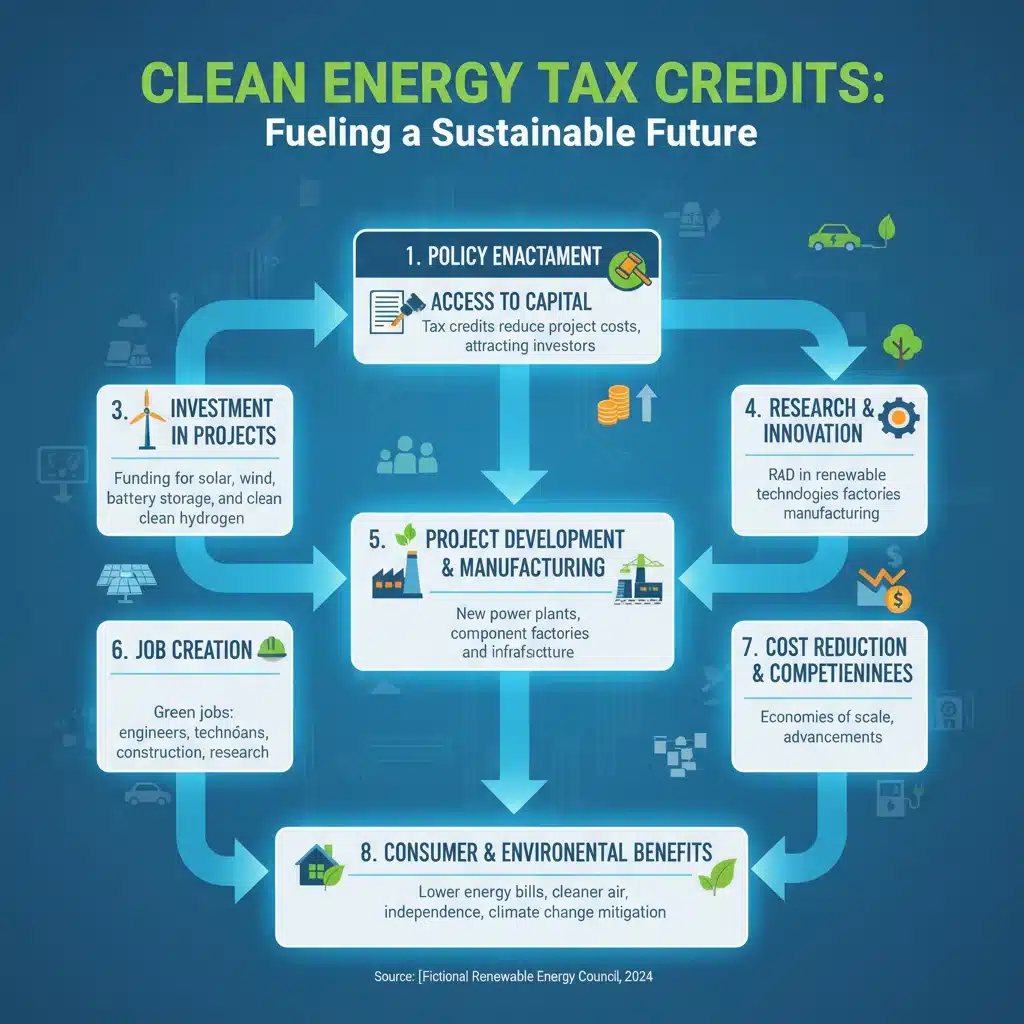
The economic argument for clean energy credits in 2026 centers on their ability to create a virtuous cycle of investment, innovation, and job creation, propelling the economy towards a greener future. They are seen as a mechanism that "primes the pump" for private sector engagement rather than perpetually propping up industries.
Environmental Efficacy: Which Path to Decarbonization?
The primary driver for the shift in energy policy comparison from traditional subsidies to clean energy credits is the urgent need to address climate change and environmental degradation. How do these two approaches measure up in terms of environmental impact?
The Environmental Legacy of Traditional Subsidies
The environmental consequences of traditional subsidies, particularly those for fossil fuels, are well-documented and severe:
- Increased Greenhouse Gas Emissions: By making fossil fuels cheaper, subsidies encourage their consumption, leading to higher emissions of carbon dioxide and other greenhouse gases, accelerating climate change.
- Air and Water Pollution: Extracting, processing, and burning fossil fuels contribute significantly to air pollution (smog, acid rain) and water contamination, impacting human health and ecosystems.
- Resource Depletion: Subsidies can accelerate the depletion of finite fossil fuel resources.
- Disincentive for Renewables: Artificially low prices for fossil fuels make it harder for nascent renewable energy technologies to compete, slowing their adoption and deployment.
- Ecological Damage: Large-scale fossil fuel projects often lead to habitat destruction, biodiversity loss, and other ecological damage.
Many environmental organizations and international bodies advocate for the complete phasing out of fossil fuel subsidies, arguing that they are economically inefficient and environmentally destructive, directly undermining global climate goals.
The Environmental Promise of Clean Energy Credits
Clean energy credits are explicitly designed to deliver environmental benefits, and their efficacy is a key component of their appeal:
- Greenhouse Gas Reduction: By incentivizing renewable energy generation (solar, wind, hydro, geothermal) and energy efficiency, these credits directly lead to a reduction in reliance on fossil fuels and, consequently, lower greenhouse gas emissions.
- Improved Air and Water Quality: A shift to clean energy sources reduces harmful pollutants released into the atmosphere and waterways, leading to better public health outcomes and healthier ecosystems.
- Resource Conservation: Renewable energy sources harness naturally replenishing resources (sun, wind), reducing the strain on finite fossil fuel resources.
- Technological Advancement: Credits foster innovation in clean technologies, leading to more efficient and environmentally friendly solutions for energy production and consumption.
- Climate Resilience: Diversifying energy sources with renewables can enhance energy system resilience against extreme weather events, which are becoming more frequent due to climate change.
The environmental case for clean energy credits in 2026 is robust. They offer a tangible, policy-driven pathway to accelerate decarbonization and achieve critical climate targets, aligning economic growth with ecological responsibility.
Global Perspective and 2026 Outlook
The choice between clean energy credits and traditional subsidies is not confined to national borders. International agreements, global energy markets, and geopolitical considerations all play a role in shaping a country’s energy policy comparison.
International Trends in Energy Policy
Globally, there’s a discernible trend towards phasing out fossil fuel subsidies and embracing incentives for clean energy. Major international bodies like the G20, G7, and the United Nations have repeatedly called for the elimination of inefficient fossil fuel subsidies. Countries are increasingly recognizing the economic and environmental imperative to shift away from carbon-intensive energy.
For example, the European Union has implemented ambitious clean energy targets backed by various support mechanisms, including tax incentives and carbon pricing. The United States, through legislation like the Inflation Reduction Act, has significantly expanded clean energy tax credits, signaling a strong commitment to a market-driven energy transition. China, a major player in renewable energy manufacturing and deployment, also utilizes a combination of subsidies and tax incentives to bolster its green industries.
The 2026 Landscape: Predictions and Challenges
Looking ahead to 2026, several key trends and challenges will influence the energy policy comparison:
- Persistence of Traditional Subsidies: Despite global calls for their removal, traditional fossil fuel subsidies are likely to persist in various forms, especially in developing nations where energy affordability and security remain paramount concerns. Political resistance from entrenched industries will also be a factor.
- Expansion of Clean Energy Credits: We can anticipate a continued expansion and refinement of clean energy credit programs globally. Policymakers will likely focus on making these credits more accessible, flexible, and targeted to accelerate specific technologies or sectors (e.g., green hydrogen, long-duration energy storage).
- Energy Security Concerns: Geopolitical instability and supply chain disruptions may lead some nations to temporarily reconsider their energy transition pace, potentially impacting the balance between fossil fuel and renewable energy support. However, the long-term trend towards energy independence through renewables will likely strengthen.
- Technological Breakthroughs: Rapid advancements in battery storage, grid modernization, and advanced nuclear technologies will make clean energy solutions even more competitive, reducing the need for extensive subsidies or credits over time.
- Carbon Pricing Mechanisms: Alongside credits, carbon pricing (carbon taxes or cap-and-trade systems) will likely play an increasing role in internalizing the environmental costs of emissions, further leveling the playing field for clean energy.

The year 2026 is projected to be a period of intense policy experimentation and adaptation. While the complete eradication of traditional subsidies may remain a distant goal, the momentum clearly favors the expansion and optimization of clean energy credits as the preferred tool for decarbonization.
Implementation and Effectiveness: Case Studies and Best Practices
To truly understand the impact of an energy policy comparison, it’s beneficial to examine real-world applications and learn from best practices.
Lessons from Traditional Subsidy Reforms
Attempts to reform or remove traditional fossil fuel subsidies have often faced significant political and social challenges. Countries like Indonesia and India have, at various times, tried to reduce fuel subsidies, leading to public protests and inflationary pressures. These experiences highlight the need for:
- Phased Approaches: Gradual reduction of subsidies over time, rather than abrupt cuts.
- Compensatory Measures: Providing targeted support to vulnerable populations to mitigate the impact of rising energy costs.
- Public Awareness Campaigns: Educating the public about the long-term benefits of subsidy reform and the environmental costs of fossil fuels.
- Alternative Investments: Reinvesting saved subsidy funds into public services, infrastructure, or clean energy projects to demonstrate tangible benefits.
Successful reforms often involve a combination of these strategies, ensuring a just transition for affected communities and industries.
Success Stories with Clean Energy Credits
The success of clean energy credits can be observed in numerous countries that have experienced rapid growth in their renewable energy sectors:
- United States (Investment Tax Credit – ITC): The ITC has been a cornerstone of solar energy deployment in the U.S., driving down installation costs and accelerating market growth. Its extension and expansion under recent legislation are expected to further boost renewable energy projects.
- Germany (Feed-in Tariffs and Tax Incentives): While not strictly tax credits, Germany’s early adoption of feed-in tariffs combined with tax incentives helped establish its leadership in solar and wind power, demonstrating how consistent policy support can transform an energy landscape.
- India (Production-Linked Incentive – PLI schemes): India has implemented PLI schemes that function similarly to credits, incentivizing domestic manufacturing of solar PV modules and advanced chemistry cell batteries, aiming for self-reliance in clean energy technologies.
- Australia (Small-scale Renewable Energy Scheme – SRES): This scheme provides financial incentives for households and small businesses to install renewable energy systems, contributing to Australia’s high per capita solar adoption rates.
These examples underscore that well-designed clean energy credits, when stable and long-term, can effectively de-risk investments, foster technological innovation, and create robust markets for renewable energy. The key is predictability and clarity in policy, allowing businesses to plan and invest with confidence.
Addressing Criticisms and Future Directions
No policy is without its critics, and both clean energy credits and traditional subsidies face scrutiny. A balanced energy policy comparison requires acknowledging these criticisms and looking towards future improvements.
Criticisms of Traditional Subsidies
Beyond the economic and environmental issues, traditional subsidies are often criticized for:
- Lack of Transparency: Many subsidies are hidden or indirect, making it difficult to assess their true cost and impact.
- Rent-Seeking Behavior: Industries can become reliant on subsidies, leading to lobbying efforts to maintain them even when they are no longer economically justified.
- Inequitable Distribution: Benefits often accrue to large corporations rather than small businesses or individual consumers.
Criticisms of Clean Energy Credits
While generally viewed more favorably, clean energy credits also have their critiques:
- Initial Fiscal Cost: Like any tax incentive, they represent foregone government revenue, which can be a concern for budget-conscious governments.
- Complexity: Tax credit mechanisms can be complex to administer and navigate, especially for smaller businesses.
- Dependency: There’s a risk that industries might become overly reliant on credits, requiring continuous extensions to remain competitive.
- Market Distortion (Potential): While generally less distorting than direct subsidies, poorly designed credits can still lead to over-investment in certain technologies or regions, potentially creating imbalances.
Future Directions for Energy Policy in 2026 and Beyond
The future of energy policy comparison suggests a continued evolution, with a focus on:
- Policy Hybridization: Combining elements of both approaches, such as targeted direct support for foundational research, coupled with broad tax credits for commercial deployment.
- Technology Neutrality: Designing credits to be technology-neutral where possible, allowing the market to determine the most cost-effective clean energy solutions.
- Performance-Based Incentives: Shifting towards incentives that reward actual environmental outcomes or performance, rather than just investment.
- Streamlined Administration: Simplifying the application and claiming process for clean energy credits to maximize their uptake.
- International Coordination: Greater global cooperation on energy policy to create a level playing field and accelerate the worldwide energy transition.
- Just Transition Mechanisms: Ensuring that policy shifts do not leave communities or workers behind, providing support for retraining and economic diversification in regions historically reliant on fossil fuels.
In 2026, the discussion around energy policy will undoubtedly intensify, moving beyond a simple "either/or" choice to a more nuanced "how to optimize" approach. The goal will be to create a policy environment that is robust, adaptable, and ultimately effective in achieving ambitious climate and energy security goals.
Conclusion: Charting a Sustainable Course for 2026 and Beyond
The energy policy comparison between clean energy credits and traditional subsidies reveals a clear trajectory for the future. While traditional subsidies have played a historical role in energy development, their economic inefficiencies and environmental costs are increasingly unsustainable in the face of climate change and evolving energy markets. In contrast, clean energy credits, particularly tax credits, offer a more market-oriented, innovative, and environmentally responsible pathway to accelerate the energy transition.
For 2026, the global momentum is firmly behind policies that incentivize clean energy through mechanisms that leverage private investment and foster technological innovation. Nations that successfully implement and refine robust clean energy credit programs are poised to reap significant economic benefits, including job creation, industrial growth, and enhanced energy security, all while making substantial progress towards decarbonization goals. The challenge lies in ensuring these policies are stable, predictable, and adaptable to emerging technologies and changing geopolitical landscapes.
Ultimately, the most effective energy policy will be one that systematically dismantles barriers to clean energy, internalizes the true costs of carbon emissions, and empowers market forces to drive innovation and deployment. As we move further into the 21st century, the strategic choice between supporting legacy industries through traditional subsidies and fostering future-proof clean energy sectors via credits will define our collective success in building a sustainable and prosperous world.
Author