New Data Privacy Laws 2026: Protecting Your Digital Footprint with 4 Key Steps

New Data Privacy Laws 2026: Protecting Your Digital Footprint with 4 Key Steps
The digital age, while offering unparalleled convenience and connectivity, has also ushered in an era of heightened concerns regarding personal data. As we navigate an increasingly interconnected world, the urgency to protect our digital footprints has never been more critical. With the horizon of 2026 approaching, a new wave of data privacy laws is anticipated to reshape how businesses and individuals interact with personal information. These forthcoming regulations aim to strengthen existing frameworks, address emerging technological challenges, and empower individuals with greater control over their data. Understanding these changes and proactively adopting robust data protection strategies is paramount for both compliance and safeguarding your online identity.
This comprehensive guide will delve into the anticipated landscape of data privacy laws in 2026, exploring their potential impact and outlining four practical, actionable steps you can take to protect your digital footprint effectively. From understanding the nuances of consent to leveraging advanced security measures, we’ll equip you with the knowledge and tools necessary to thrive in this evolving regulatory environment. The goal is not just to comply, but to foster a culture of privacy that benefits everyone.
The Evolving Landscape of Data Privacy Laws
Data privacy is a dynamic field, constantly adapting to technological advancements and societal expectations. The General Data Protection Regulation (GDPR) in Europe and the California Consumer Privacy Act (CCPA) in the United States have set high benchmarks, influencing data protection standards globally. However, as artificial intelligence, big data analytics, and the Internet of Things (IoT) become more pervasive, new challenges arise, necessitating further legislative action. The anticipated data privacy laws of 2026 are expected to address these complexities, focusing on areas such as cross-border data transfers, the ethical use of AI, and enhanced individual rights.
One of the key drivers behind these new regulations is the growing public awareness and demand for greater transparency and control over personal data. Consumers are increasingly wary of how their information is collected, used, and shared, leading to a push for more stringent accountability from organizations. Businesses, in turn, face the dual challenge of innovating with data while simultaneously upholding the highest standards of privacy. The 2026 regulations are likely to introduce more granular consent requirements, stricter data breach notification protocols, and potentially higher penalties for non-compliance. This makes proactive preparation not just a best practice, but a business imperative for navigating the future of data privacy laws.
Step 1: Understand Your Digital Footprint and Data Collection Practices
The first and most fundamental step in protecting your digital footprint is to understand what it entails. Your digital footprint is the trail of data you leave behind as you use the internet. This includes everything from your social media posts and online purchases to your search history and location data. For businesses, understanding the digital footprints of their customers and their own data collection practices is equally crucial. The new data privacy laws of 2026 will likely place an even greater emphasis on transparency regarding data collection.
For Individuals:
- Audit Your Online Presence: Regularly review your social media accounts, cloud storage, and other online services. Delete old accounts you no longer use and remove any unnecessary or sensitive information.
- Review App Permissions: Many mobile apps request access to your camera, microphone, location, and contacts. Scrutinize these permissions and revoke access for apps that don’t genuinely need it.
- Check Privacy Settings: Take the time to adjust privacy settings on all your online platforms, from social media to email services. Opt for the strictest privacy settings available.
- Understand Data Brokers: Be aware that data brokers collect and sell your personal information. While difficult to completely avoid, understanding their existence helps you be more cautious about where you share your data.
For Businesses:
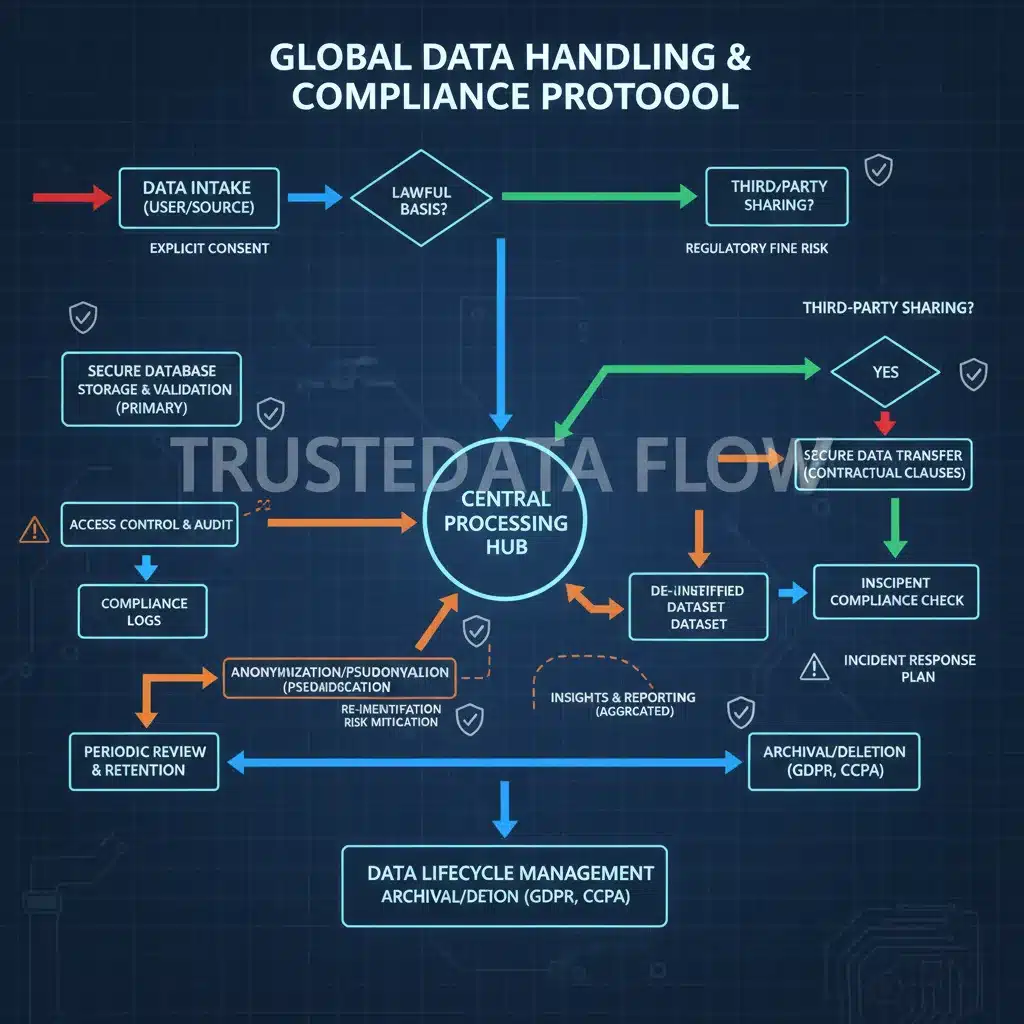
- Data Mapping: Conduct a thorough data mapping exercise to identify all the personal data your organization collects, where it’s stored, how it’s processed, and with whom it’s shared. This is a foundational element for compliance with any data privacy laws.
- Privacy by Design: Integrate privacy considerations into the design and architecture of all new systems, products, and services from the outset. This proactive approach helps embed privacy as a core principle rather than an afterthought.
- Data Minimization: Only collect the personal data that is absolutely necessary for your stated purpose. The less data you collect, the less risk you incur.
- Regular Data Audits: Periodically review your data collection and processing activities to ensure ongoing compliance with current and anticipated data privacy laws.
Step 2: Master Consent Management and Data Subject Rights
One of the cornerstones of modern data privacy laws is the concept of consent and the empowerment of data subjects (individuals whose data is being processed). The 2026 regulations are expected to further refine these requirements, demanding more explicit, informed, and easily withdrawable consent. For individuals, understanding your rights is crucial; for businesses, establishing robust consent management systems is non-negotiable.
For Individuals:
- Read Privacy Policies (Seriously): While often lengthy, privacy policies explain how your data is used. Focus on key sections regarding data collection, sharing, and your rights.
- Exercise Your Rights: Familiarize yourself with your rights under current and upcoming data privacy laws, such as the right to access your data, rectify inaccuracies, erase data (the ‘right to be forgotten’), and object to processing. Don’t hesitate to exercise them.
- Use Privacy-Enhancing Browsers and Tools: Consider using browsers that prioritize privacy (e.g., Brave, Firefox Focus), VPNs, and ad blockers to limit tracking and data collection.
- Be Wary of ‘Free’ Services: Remember the adage: “If you’re not paying for it, you’re not the customer; you’re the product.” Many free online services monetize your data, so be mindful of the trade-off.
For Businesses:
- Clear and Granular Consent: Ensure your consent mechanisms are clear, unambiguous, and allow users to provide granular consent for different types of data processing. Pre-checked boxes are generally not considered valid consent under strict data privacy laws.
- Easy Withdrawal of Consent: Make it as easy for users to withdraw consent as it was to give it. This should be a straightforward process, not hidden deep within settings.
- Robust Data Subject Access Request (DSAR) Process: Implement a well-defined process for handling DSARs, ensuring you can respond to requests for access, rectification, erasure, and data portability within the stipulated timeframes.
- Record Keeping: Maintain detailed records of consent, including when and how it was obtained, and for what purposes. This documentation is vital for demonstrating compliance with data privacy laws.

Step 3: Implement Strong Security Measures and Data Governance
Even with the most stringent consent management, data breaches can occur if security measures are inadequate. The new data privacy laws of 2026 are expected to reinforce the obligation for organizations to implement appropriate technical and organizational measures to protect personal data. This involves a multi-layered approach to security and robust data governance frameworks.
For Individuals:
- Strong, Unique Passwords: Use complex, unique passwords for every online account. A password manager can help you manage these securely.
- Two-Factor Authentication (2FA): Enable 2FA wherever possible. This adds an extra layer of security, making it much harder for unauthorized individuals to access your accounts even if they have your password.
- Be Wary of Phishing: Learn to recognize phishing attempts (suspicious emails, texts, or calls trying to trick you into revealing personal information) and never click on suspicious links or download attachments from unknown sources.
- Keep Software Updated: Regularly update your operating system, web browsers, and all software. Updates often include critical security patches that protect against vulnerabilities.
- Secure Your Home Network: Ensure your Wi-Fi network is secured with a strong password and encryption (WPA2 or WPA3).
For Businesses:
- Encryption: Encrypt personal data both in transit and at rest. This protects data even if it falls into the wrong hands.
- Access Controls: Implement strict access controls, ensuring that only authorized personnel have access to personal data, and only to the extent necessary for their roles.
- Regular Security Audits and Penetration Testing: Conduct frequent security audits and penetration tests to identify and address vulnerabilities before they can be exploited.
- Employee Training: Regularly train employees on data privacy best practices, security protocols, and their responsibilities under data privacy laws. Human error is a significant factor in data breaches.
- Incident Response Plan: Develop and regularly test a comprehensive data breach incident response plan. Knowing how to react quickly and effectively can mitigate the damage of a breach and demonstrate due diligence to regulators.
- Data Protection Officer (DPO): For many organizations, especially those processing large amounts of personal data, appointing a DPO will continue to be a requirement under new data privacy laws.
Step 4: Stay Informed and Adapt to Regulatory Changes
The digital world is in constant flux, and so are the regulations governing it. The data privacy laws of 2026 will not be the final word on data protection; rather, they will represent another significant step in an ongoing journey. Both individuals and businesses must commit to continuous learning and adaptation to remain compliant and secure.
For Individuals:
- Follow Reputable Privacy News Sources: Keep an eye on news from trusted privacy organizations, consumer advocacy groups, and government agencies to stay informed about new threats and regulatory changes.
- Engage with Policy Discussions: Where possible, participate in public consultations or express your views on proposed data privacy laws. Your voice matters.
- Be Skeptical: Maintain a healthy skepticism towards new technologies and services, especially those that seem too good to be true, and always question how your data will be used.
For Businesses:
- Monitor Regulatory Developments: Actively track proposed and enacted data privacy laws at national, regional, and international levels. Subscribe to legal updates and industry newsletters.
- Engage Legal Counsel: Work closely with legal experts specializing in data privacy to interpret new regulations and ensure your compliance strategies are sound.
- Invest in Privacy Technologies: Explore and invest in privacy-enhancing technologies (PETs) that can help you meet compliance requirements, such as anonymization tools, privacy-preserving analytics, and secure data transfer solutions.
- Cross-Border Data Transfer Mechanisms: If your business operates internationally, understand and implement appropriate mechanisms for cross-border data transfers, such as Standard Contractual Clauses (SCCs) or Binding Corporate Rules (BCRs), which are often subject to stringent review under data privacy laws.
- Build a Culture of Privacy: Foster an organizational culture where privacy is seen as a shared responsibility and a competitive advantage, not just a compliance burden.
The Future of Data Privacy: Beyond 2026
While the focus is currently on the data privacy laws of 2026, it’s essential to recognize that data protection is an ongoing journey. The rapid pace of technological innovation means that new challenges and opportunities for data use will continually emerge. Future regulations may delve deeper into the ethical implications of AI, the ownership of data generated by IoT devices, and the development of decentralized identity solutions. The trend is clear: greater individual control, increased corporate accountability, and a more harmonized global approach to data protection.
For organizations, this means moving beyond mere compliance to truly embedding privacy into their core values and operations. Those who embrace privacy as a strategic asset will build greater trust with their customers, enhance their brand reputation, and gain a competitive edge in the marketplace. For individuals, it means becoming more digitally literate, proactive in managing their online presence, and assertive in exercising their data rights. The collective effort of individuals, businesses, and policymakers will shape a future where the benefits of the digital world can be enjoyed without compromising fundamental privacy rights.
Conclusion: Navigating the New Era of Data Privacy Laws
The anticipated data privacy laws of 2026 mark a significant milestone in the ongoing effort to protect personal data in the digital realm. By understanding your digital footprint, mastering consent management, implementing robust security, and staying informed about regulatory changes, both individuals and businesses can effectively navigate this evolving landscape. These four key steps are not merely checkboxes for compliance but foundational pillars for building a more secure, trustworthy, and privacy-respecting digital ecosystem.
Embracing these principles will not only help you meet the demands of new regulations but will also foster a stronger, more responsible approach to data. As technology continues to advance, our commitment to data privacy must evolve in tandem. By taking proactive measures now, we can all contribute to a safer and more ethical digital future, where personal information is respected and protected. The journey to comprehensive data privacy is continuous, and 2026 serves as a crucial point of reflection and action for everyone involved in the digital world.
Author