
New Federal SNAP Eligibility Rules 2026: What 1.5 Million Americans Need to Know Now (RECENT UPDATES)
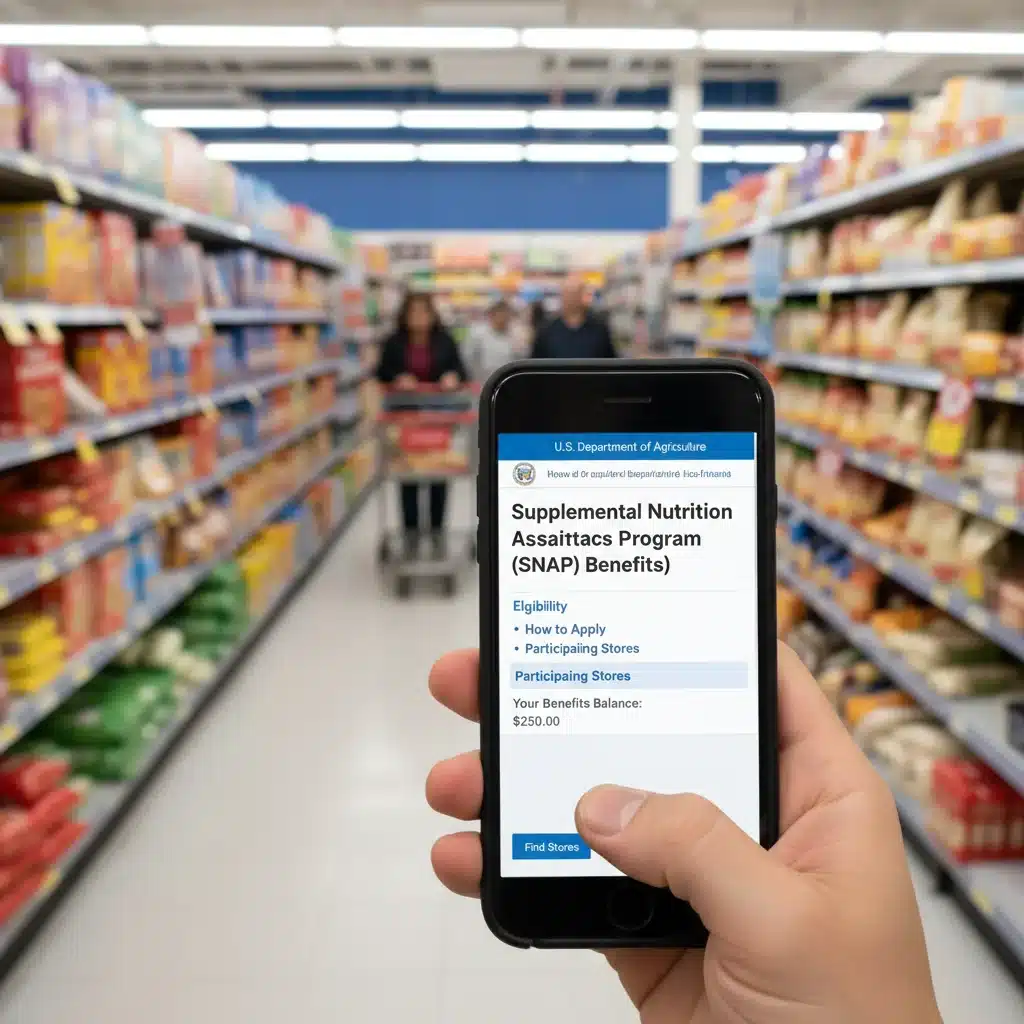
The Supplemental Nutrition Assistance Program (SNAP), a cornerstone of food security for millions of Americans, is on the cusp of significant federal changes slated for 2026. These impending adjustments to SNAP eligibility rules could profoundly impact approximately 1.5 million individuals and families across the nation. Understanding these updates is not just beneficial; it’s absolutely crucial for those who rely on this vital assistance. This comprehensive guide aims to dissect the new federal SNAP eligibility rules, clarify who will be affected, and provide actionable steps to ensure continued access to benefits.
Anúncios
For decades, SNAP, formerly known as food stamps, has served as a critical safety net, helping low-income individuals and families purchase nutritious food. The program’s structure is a complex interplay of federal guidelines and state-level administration, making changes particularly intricate to navigate. As we approach 2026, the federal government is introducing modifications that will redefine who qualifies for assistance, potentially altering the landscape of food aid for a substantial portion of the population. These changes are not minor tweaks; they represent a significant shift that demands immediate attention and proactive preparation from current beneficiaries and potential applicants alike.
The urgency to comprehend these changes cannot be overstated. With 1.5 million Americans potentially facing altered eligibility, the ripple effects could be widespread, impacting household budgets, food choices, and overall well-being. This article will delve into the specifics of these new SNAP eligibility rules, explore the motivations behind them, and offer practical advice to help you understand and adapt. Our goal is to empower you with the knowledge needed to navigate these transitions smoothly, ensuring that you and your family continue to receive the support you need.
Anúncios
Understanding the Core of the New SNAP Eligibility Rules for 2026
At the heart of the upcoming changes are modifications to several key components of SNAP eligibility criteria. While the exact legislative details are still being finalized and may be subject to minor adjustments, the general direction points towards stricter requirements in certain areas and potential expansions in others. It’s a nuanced situation that requires careful examination.
One of the primary areas of focus for the new SNAP eligibility rules revolves around work requirements for able-bodied adults without dependents (ABAWDs). Historically, ABAWDs have faced time limits on SNAP benefits if they don’t meet certain work or training requirements. The new rules might refine these requirements, potentially expanding the age range or adjusting the exemptions, which could bring a significant number of people into or out of this category. This particular aspect of the changes is expected to have a considerable impact on the 1.5 million Americans mentioned, as many fall into demographic groups that could be affected by these work-related stipulations.
Another crucial element undergoing review is the income and asset limits. While SNAP is designed for low-income households, the precise thresholds for gross and net income, as well as countable assets, are subject to federal review and adjustment. These limits are often tied to the Federal Poverty Level (FPL) and can vary by household size. Any alteration to these calculations could mean that households previously eligible might find themselves above the new thresholds, or conversely, some who were borderline might now qualify. It’s imperative for beneficiaries to monitor these specific figures as they are officially released, as they form the bedrock of financial SNAP eligibility rules.
Furthermore, there might be changes concerning categorical eligibility, which allows certain households already receiving other federal assistance (like SSI or TANF) to automatically qualify for SNAP without meeting all the standard income and asset tests. Any modifications here could streamline the application process for some or add additional hurdles for others. The interplay between various federal programs is complex, and shifts in one can often have cascading effects on others. Therefore, understanding the holistic view of government assistance programs becomes even more vital.
The goal of these federal revisions, according to proponents, is often cited as promoting self-sufficiency, ensuring program integrity, and adapting to evolving economic conditions. However, critics often raise concerns about potential increases in food insecurity and administrative burdens on states and beneficiaries. Regardless of the differing perspectives, the fact remains that these changes are coming, and preparation is key.
Who Will Be Most Affected by the 2026 SNAP Eligibility Rules?
The 1.5 million Americans potentially impacted by the new SNAP eligibility rules represent a diverse cross-section of society. While it’s difficult to pinpoint every individual, certain demographics are more likely to feel the direct effects of these federal updates. Understanding these groups can help in targeted outreach and support efforts.
Able-Bodied Adults Without Dependents (ABAWDs)
As mentioned, ABAWDs are frequently at the center of discussions regarding work requirements. If the age range for ABAWDs is expanded (e.g., from 18-49 to 18-59) or if exemptions become harder to obtain, a significant portion of this 1.5 million figure could come from this group. Many ABAWDs face challenges such as chronic unemployment, lack of job skills, or unstable housing, making it difficult to meet stringent work requirements. Changes here could lead to a loss of benefits for those unable to comply, pushing them further into food insecurity.
Low-Income Working Families
Even families with one or more working adults can struggle to make ends meet, especially in areas with high costs of living. If income thresholds are adjusted downwards, or if certain deductions (like those for childcare or medical expenses) are altered, some working families who currently receive partial SNAP benefits might find their assistance reduced or eliminated. This could force difficult choices between food, rent, and other essential expenses.
Seniors and Individuals with Disabilities
While often subject to different SNAP eligibility rules and exemptions, changes to asset limits or reporting requirements could still indirectly affect these vulnerable populations. For instance, if the value of certain assets (like a modest savings account or a second vehicle) becomes countable or if the thresholds are lowered, some seniors or individuals with disabilities who have limited fixed incomes but modest assets could be impacted. It’s crucial that any new rules continue to protect these groups who often face unique challenges in accessing nutritious food.
College Students
Historically, college students have had specific and often strict SNAP eligibility rules. Any tightening of these rules, such as changes to work-study requirements or enrollment status, could further limit access for low-income students who rely on SNAP to afford food while pursuing their education. This could exacerbate food insecurity on college campuses, a growing concern in recent years.
Understanding these potential impacts allows for a more targeted approach to advocacy, education, and support services. Community organizations, food banks, and state SNAP agencies will play a crucial role in helping these affected groups navigate the new landscape of SNAP eligibility rules.
Key Areas of Change: What to Watch For
As 2026 approaches, several specific areas within the federal SNAP eligibility rules are expected to see the most significant revisions. Keeping an eye on these particular aspects will be vital for anyone concerned about their benefits or the program’s future.
Work Requirements and Exemptions
This is arguably the most contentious and impactful area. The current framework for ABAWDs includes a three-month limit on benefits in a 36-month period if they aren’t working or participating in a workfare or training program for at least 20 hours a week. Exemptions exist for various reasons, including homelessness, physical/mental unfitness for work, or participation in certain programs. The 2026 changes could:
- Expand the age range: Potentially raising the upper age limit for ABAWDs, thereby including more individuals under these requirements.
- Modify exemption criteria: Making it harder to qualify for an exemption, or requiring more rigorous documentation.
- Adjust work hour thresholds: Increasing the minimum number of hours required for compliance.
- Alter state discretion: Limiting states’ ability to waive these requirements in areas of high unemployment.
Any of these changes could directly affect thousands, if not hundreds of thousands, of beneficiaries, making it harder for them to maintain their SNAP food benefits.
Income and Asset Limits
While often adjusted annually for inflation, 2026 might see more fundamental shifts in how these limits are calculated. Currently, most households must meet both gross income (130% of FPL) and net income (100% of FPL) tests, along with asset limits ($2,750 for most households, $4,250 for households with an elderly or disabled member). Potential changes include:
- Lowering income thresholds: Making it harder for marginally low-income families to qualify.
- Changing deductions: Adjusting the amounts allowed for deductions like housing costs, medical expenses, or childcare, which can significantly impact net income calculations.
- Revising asset limits: Potentially lowering the amount of savings or the value of other assets a household can possess while remaining eligible.
These financial SNAP eligibility rules are critical for determining who qualifies and the level of benefits received.
Reporting Requirements and Administrative Burden
While not strictly eligibility criteria, changes to how often beneficiaries must report changes in income, household size, or other circumstances can significantly impact their ability to maintain benefits. Increased reporting frequency or more complex documentation requirements could lead to administrative errors, missed deadlines, and ultimately, benefit terminations for those struggling to navigate the bureaucracy. This is a common pitfall for many vulnerable populations.
State Waivers and Discretion
States currently have some flexibility in implementing federal SNAP eligibility rules, particularly concerning ABAWD work requirements, through waivers. The new federal framework might reduce this state-level discretion, leading to more uniform but potentially less flexible application of rules across different states, regardless of local economic conditions. This could remove a crucial safety valve for states experiencing economic downturns or unique demographic challenges.
Staying informed about these specific areas as legislative proposals move through the process will be key to understanding the full scope of the 2026 SNAP program changes.
Preparing for the 2026 SNAP Eligibility Rules: Actionable Steps
Given the potential impact on 1.5 million Americans, proactive preparation for the new federal SNAP eligibility rules is paramount. Here are actionable steps individuals, families, and support organizations can take now:
For Current SNAP Beneficiaries:
- Review Your Current Eligibility: Understand the current SNAP eligibility rules that apply to your household. Pay close attention to your income, assets, and any work requirements you currently meet or are exempt from.
- Update Your Information: Ensure your state SNAP agency has your most current contact information (address, phone, email). This is vital for receiving official notifications about changes.
- Gather Documentation: Start organizing important documents related to your income, employment, household composition, and any disabilities or special circumstances. This will be invaluable if you need to re-verify eligibility under new rules.
- Monitor Official Announcements: Regularly check the websites of the USDA Food and Nutrition Service (FNS) and your state’s SNAP agency for official updates and guidance. Be wary of unofficial sources of information.
- Seek Clarification: If you receive a notice about changes and are unsure how it affects you, contact your local SNAP office or a trusted community organization (like a food bank or legal aid service) for clarification.
- Explore Exemptions: If you are an ABAWD, understand all potential exemptions to work requirements that might apply to you (e.g., caring for a child, medical condition, participation in a drug/alcohol treatment program).
For Potential New Applicants:
- Understand Basic Requirements: Familiarize yourself with the general SNAP eligibility rules, even before the 2026 changes. This will give you a baseline.
- Assess Your Household’s Situation: Estimate your household’s gross and net income, and total countable assets. This will help you determine if you might fall within the new thresholds.
- Identify Local Resources: Locate your state’s SNAP office and any local organizations that assist with SNAP applications. They can provide guidance closer to the implementation date.
For Advocacy and Support Organizations:
- Stay Engaged with Policy Discussions: Participate in public comment periods and engage with lawmakers to voice concerns and offer solutions regarding the proposed SNAP federal reforms.
- Prepare Educational Materials: Develop clear, accessible resources to explain the new SNAP eligibility rules to beneficiaries in your community.
- Offer Application Assistance: Be ready to assist individuals with navigating the application and re-certification processes, which may become more complex.
- Partner with Other Agencies: Collaborate with food banks, housing assistance programs, and employment services to provide holistic support to affected individuals.
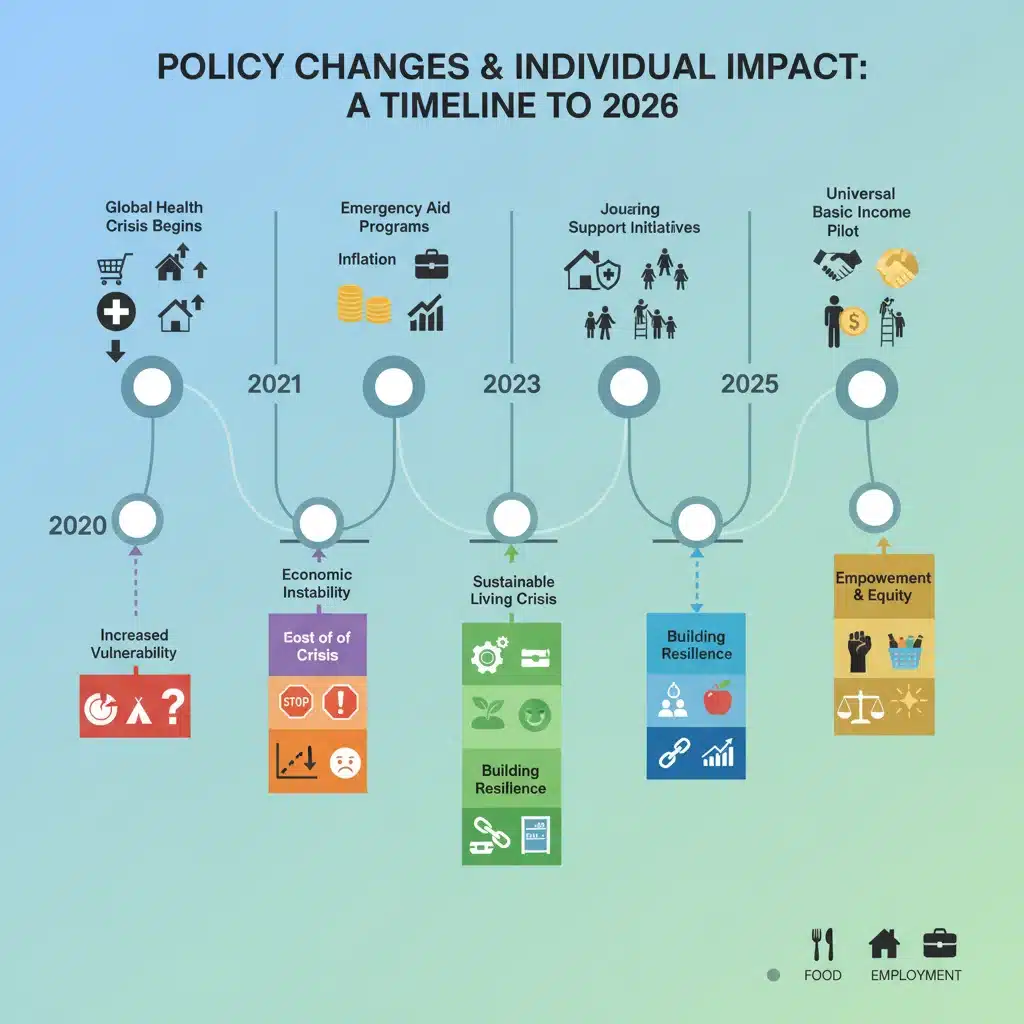
The period leading up to 2026 will be dynamic, with legislative debates and administrative planning. Staying informed and taking proactive steps now can significantly mitigate the challenges posed by these federal SNAP eligibility rules.
The Broader Implications of SNAP Eligibility Rules Changes
The modifications to SNAP eligibility rules extend far beyond individual households. These federal changes have broader implications for communities, local economies, and the national effort to combat food insecurity. Understanding these wider impacts helps to contextualize the importance of these upcoming reforms.
Impact on Food Insecurity Rates
A primary concern is the potential increase in food insecurity. If 1.5 million Americans lose or see a reduction in their SNAP benefits, it could lead to more individuals and families struggling to afford adequate food. This can have severe consequences for health, educational outcomes, and overall quality of life. Food banks and other charitable food assistance programs, already stretched thin, may face an even greater demand, potentially overwhelming their resources.
Economic Effects on Local Communities
SNAP benefits are not just aid; they are a direct infusion of federal dollars into local economies. Beneficiaries spend their SNAP funds at grocery stores, farmers’ markets, and other food retailers, supporting local businesses and jobs. A reduction in SNAP spending due to tighter eligibility could lead to decreased sales for these businesses, particularly in low-income areas where SNAP expenditures make up a significant portion of revenue.
Administrative Burdens on States
State SNAP agencies are on the front lines of implementing federal SNAP eligibility rules. New or more complex rules often translate into increased administrative burdens, requiring agencies to update systems, train staff, and process a higher volume of inquiries and appeals. This can strain state budgets and divert resources from other critical services, potentially leading to delays in processing applications and issuing benefits.
Public Health Outcomes
Access to nutritious food is a fundamental determinant of health. Reductions in SNAP benefits can lead to poorer dietary quality, increased rates of diet-related illnesses (like diabetes and heart disease), and higher healthcare costs. For children, food insecurity can impair cognitive development and academic performance. Thus, changes to SNAP eligibility have direct public health consequences that extend across the lifespan.
Social Safety Net Resilience
SNAP is a vital component of the broader social safety net. Changes to its federal rules can set precedents or influence other assistance programs. Maintaining a robust and responsive safety net is crucial for economic stability and social equity, especially during economic downturns or crises. The upcoming changes will test the resilience and adaptability of this crucial system.
Considering these broader implications, the discourse around the new SNAP eligibility rules is not merely about bureaucratic adjustments but about the fundamental well-being of millions of Americans and the health of our communities. Engaged citizenry, informed advocacy, and proactive planning are essential to navigating these complex changes effectively.
Conclusion: Navigating the Future of SNAP
The approaching 2026 federal SNAP eligibility rules represent a significant juncture for the Supplemental Nutrition Assistance Program and the 1.5 million Americans whose access to food security may be directly impacted. From refined work requirements for ABAWDs to potential adjustments in income and asset limits, these changes demand careful attention and proactive engagement from all stakeholders.
The importance of staying informed cannot be overstated. As the legislative and administrative processes unfold, official announcements from the USDA and state SNAP agencies will be the most reliable sources of information. Individuals and families currently receiving or seeking SNAP benefits must take steps now to review their current eligibility, update their contact information, and begin gathering necessary documentation. Seeking guidance from local SNAP offices or trusted community organizations will be invaluable in navigating any complexities.
Beyond individual preparation, these changes underscore the broader societal conversation about food security, poverty, and the role of government assistance. The potential ripple effects on food insecurity rates, local economies, public health, and the administrative capacity of state agencies highlight the profound significance of these policy shifts.
Ultimately, successfully adapting to the new SNAP eligibility rules for 2026 will require a concerted effort from beneficiaries, policymakers, and support organizations alike. By understanding the specifics of the changes, preparing diligently, and advocating for equitable and effective implementation, we can strive to ensure that SNAP continues to fulfill its critical mission of alleviating hunger and promoting nutrition for those who need it most in the United States.