Distance learning platforms for higher education: why they matter

Distance learning platforms for higher education provide flexible, accessible, and personalized education options, leveraging technologies like artificial intelligence to enhance the learning experience and cater to diverse learner needs.
Distance learning platforms for higher education are transforming the educational landscape. But have you ever wondered how they influence learning experiences today? Let’s dive in!
Overview of distance learning platforms
Understanding distance learning platforms is essential for students and educators alike. These platforms offer a variety of tools and resources that make learning accessible from virtually anywhere. In this section, we will explore the different types of distance learning platforms available.
Types of Distance Learning Platforms
There are numerous options available, each catering to specific learning needs. Some of the most common types include:
- Learning Management Systems (LMS): These platforms organize course materials and track students’ progress.
- Virtual Classroom Software: Tools that support live classes and interactive sessions, allowing real-time communication.
- Massive Online Open Courses (MOOCs): Accessible courses from various universities that cover a wide range of subjects.
- Online Course Marketplaces: Platforms that offer a variety of courses from different instructors and institutions.
Each type of platform provides unique features that can enhance the learning experience. For instance, learning management systems often include tracking and reporting tools that help educators monitor student success. Meanwhile, virtual classroom software enables engaging live sessions where students can interact with instructors and peers.
Another important element is the accessibility feature of these platforms. Many are designed to cater to learners with different needs, offering transcripts, captions, and adjustable content formats. This inclusivity ensures that a wider audience can benefit from online education. These platforms can also provide learning opportunities for those managing job or family responsibilities as they allow for flexible scheduling.
Adopting distance learning platforms can significantly increase the opportunities for learning outside traditional settings. As technology continues to evolve, the effectiveness and variety of these platforms will likely expand, empowering more students to achieve their academic goals.
Key benefits of online education

Online education has gained immense popularity due to its many advantages. Students today are discovering that enrolling in courses through distance learning platforms provides flexibility and convenience that traditional education may not offer. This section will highlight the key benefits that make online education a compelling choice.
Flexibility and Convenience
One of the most significant advantages of online education is its flexibility. Students can choose when and where to learn, making it easier to balance education with work and personal commitments. This adaptability is ideal for those who may work full-time or have family responsibilities.
- Access to resources anytime, anywhere.
- Ability to create personalized study schedules.
- Opportunity to learn at one’s own pace.
In addition, online education often provides access to a wide range of course materials. From video lectures to downloadable resources, students can choose the formats that best suit their learning styles. This variety enhances engagement and retention.
Cost-Effectiveness
Another key benefit is the cost savings associated with distance learning platforms. Online programs frequently have lower tuition fees compared to traditional institutions. Additionally, students save money on commuting, housing, and physical textbooks, which can add up significantly.
The affordability of online education makes it accessible to more students who may not have had the chance to pursue higher education otherwise. With financial barriers reduced, a more diverse group can seek personal and professional development.
Furthermore, many online platforms offer free courses or financial aid options, allowing learners to explore subjects without a significant financial commitment. This opens doors for lifelong learning, where individuals can continually update their skills.
Overall, the benefits of online education are numerous and significant. With the ongoing evolution of technology, the potential for greater innovation and accessibility in distance learning is enormous, paving the way for more effective learning solutions.
Choosing the right platform for your needs
Choosing the right distance learning platform is crucial for a successful online education experience. With many options available, it’s important to consider several factors that align with your personal learning goals and preferences. In this section, we will explore how to select the best platform for your specific needs.
Identify Your Learning Style
Different learners thrive in varied environments. Before selecting a platform, identify your unique learning style. Some people learn best through visual materials, while others prefer interactive content or audio lectures. Understanding what works for you can greatly impact your learning experience.
- Visual learners benefit from video lectures and graphics.
- Auditory learners may prefer podcasts and lecture recordings.
- Kinesthetic learners could benefit from interactive modules and simulations.
With this awareness, you can choose a platform that offers features aligning with your learning preferences.
Consider Course Offerings
Each platform hosts a different range of courses. Take the time to review the offerings that each site provides. Look for courses that align with your educational goals, whether you seek professional development, skills enhancement, or personal interest.
Some platforms specialize in specific subjects, while others have a broader focus. If you are looking to develop a skill, ensure the platform offers specialized courses aimed at that skill. Moreover, it’s essential to check the qualifications and experience of the instructors. Well-qualified educators can make a significant difference in your learning outcomes.
Evaluate Platform Usability
Lastly, consider the user experience and navigation of the platform itself. A user-friendly interface can enhance your learning experience significantly. Here are some factors to assess:
- Ease of navigation within the platform.
- Accessibility features, such as mobile compatibility.
- Availability of support or tutoring services.
A platform that is easy to navigate and provides necessary support can lead to a more enjoyable and effective learning journey.
Future trends in distance learning

The landscape of distance learning is rapidly evolving. As we look ahead, several trends are emerging that promise to reshape the educational experience for students and educators alike. Understanding these trends can help you stay informed about what to expect in the future.
Increased Use of Artificial Intelligence
One significant trend is the increased integration of artificial intelligence into online education. AI can personalize learning experiences by adapting content to fit individual student needs. For example, intelligent tutoring systems can provide customized feedback based on a learner’s performance.
- AI can analyze student data to identify learning gaps.
- Chatbots may assist with answering common questions outside of class hours.
- Automated grading can free educators to focus more on teaching.
As these technologies develop, they will help create more engaging and effective learning environments.
Growth of Micro-Credentials
Another trend to watch is the rise of micro-credentials. Instead of traditional degrees, many educational platforms are now offering bite-sized certifications that focus on specific skills. This trend makes learning more accessible and tailored to the demands of the job market.
Micro-credentials can help learners quickly gain qualifications in areas like data analysis, digital marketing, or coding. They represent a way for individuals to adapt to changing job requirements without committing to long-term programs.
Enhanced Collaboration Tools
The future of distance learning will also see greater advancements in collaboration tools. Video conferencing and group project features are set to improve significantly. These tools will create more opportunities for learners to engage with their peers and instructors.
- New platforms may offer interactive sessions that mimic traditional classroom formats.
- Integrated tools for real-time feedback on group assignments can improve teamwork.
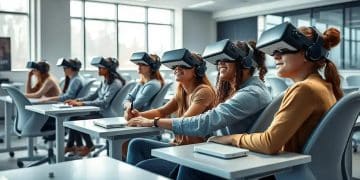
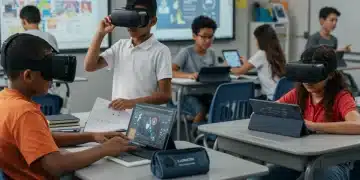
- Virtual reality (VR) may offer immersive experiences for collaborative learning.
These developments will foster deeper connections among students, facilitating a community-oriented learning atmosphere.
FAQ – Frequently Asked Questions about Distance Learning
What is the main advantage of distance learning?
The main advantage of distance learning is its flexibility, allowing students to learn at their own pace and schedule, making education more accessible.
How does artificial intelligence enhance online education?
Artificial intelligence enhances online education by personalizing learning experiences, providing instant feedback, and adapting content to suit individual student needs.
What are micro-credentials?
Micro-credentials are bite-sized certifications that focus on specific skills, allowing learners to gain qualifications quickly without committing to a full degree.
What tools improve collaboration in distance learning?
Collaboration tools like video conferencing and interactive platforms facilitate group work and enhance student engagement in distance learning.