Supply Chain Disruptions 2025: Key Sector Challenges
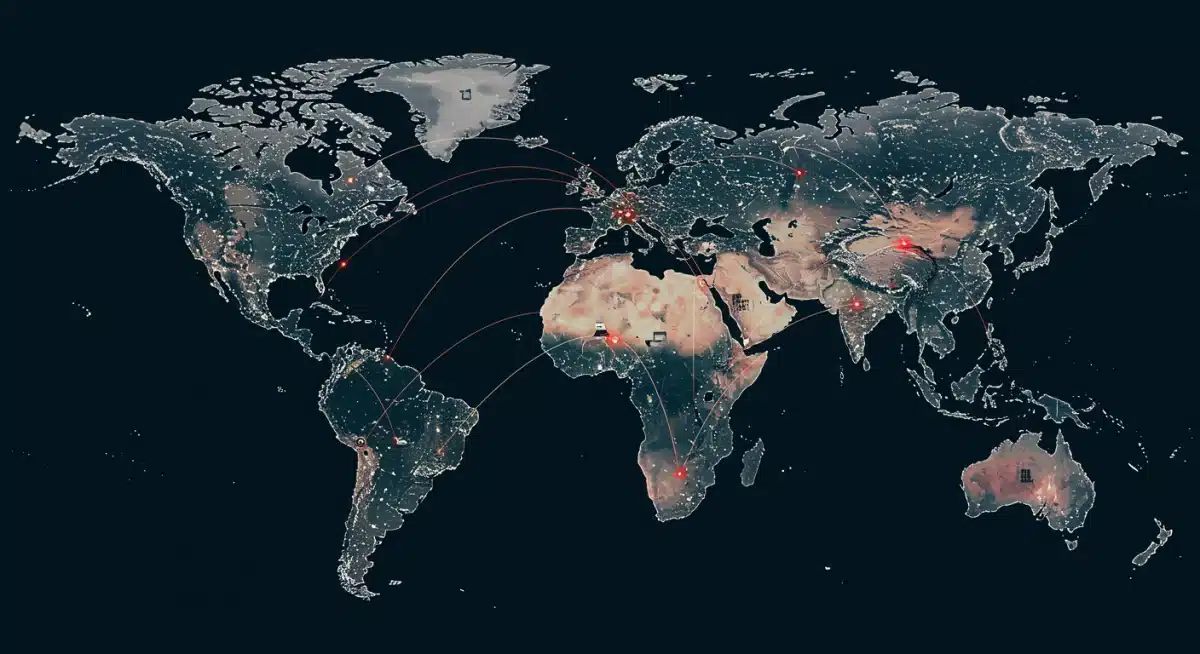
Early 2025 sees significant supply chain disruptions impacting the automotive, healthcare, and technology sectors, driven by geopolitical tensions, climate events, and evolving consumer demands, necessitating adaptive strategies for resilience and stability.
As we navigate early 2025, the global economy continues to grapple with persistent and evolving supply chain disruptions 2025. Businesses and consumers alike are feeling the ripple effects of these challenges, which demand a closer look at how critical sectors are responding and adapting. Understanding these dynamics is crucial for anticipating future market shifts and ensuring economic stability.
Understanding the Root Causes of 2025 Supply Chain Volatility
The landscape of global trade in early 2025 is marked by a confluence of factors contributing to ongoing supply chain volatility. These are not merely isolated incidents but rather systemic pressures that have accumulated over time, creating a complex web of challenges for businesses worldwide. From geopolitical shifts to environmental changes, the foundations of predictable logistics are being tested.
One primary driver is the lingering effect of geopolitical tensions. Trade policies, tariffs, and international relations continue to create unpredictability in sourcing and distribution. Companies are increasingly diversifying their supply bases, but this process is slow and costly, offering only partial insulation against sudden policy changes or regional conflicts.
Geopolitical Influences and Trade Dynamics
The intricate dance of international politics significantly impacts the flow of goods. Nations are re-evaluating their dependencies, leading to shifts in manufacturing hubs and trade routes. This re-evaluation, while strategic, can introduce new bottlenecks and increase lead times.
- Increased regionalization of supply chains.
- Heightened scrutiny of critical raw material sources.
- Fluctuations in trade agreements and tariffs.
Beyond politics, climate change continues to exert a tangible influence. Extreme weather events, such as severe droughts, floods, and storms, disrupt transportation networks and agricultural output, directly affecting raw material availability and logistics. These events are becoming more frequent and intense, making it harder for supply chains to recover quickly.
The Automotive Sector: Navigating Semiconductor Shortages and EV Transition
The automotive industry finds itself at a critical juncture in early 2025, still reeling from past shocks while simultaneously confronting new challenges. The persistent semiconductor shortage, though showing signs of easing in some areas, remains a significant bottleneck, impacting production schedules and vehicle availability. This issue highlights the deep dependency of modern vehicles on complex electronic components.
Manufacturers are employing various strategies to mitigate these shortages, including direct engagement with chip suppliers and redesigning vehicle architectures to reduce chip dependency. However, the transition to electric vehicles (EVs) introduces another layer of complexity. The demand for specialized batteries and rare earth minerals adds new pressure points to an already strained supply chain.
Battery Component Sourcing Challenges
The global race to produce EVs has intensified the competition for battery components, particularly lithium, cobalt, and nickel. Mining and processing these materials are concentrated in a few regions, making the supply chain vulnerable to geopolitical events, labor issues, and environmental regulations.
- Limited global mining capacity for key minerals.
- Ethical sourcing concerns impacting supply decisions.
- High demand driving up raw material costs.
Furthermore, the logistical challenges associated with transporting heavy and sometimes hazardous battery components add to the complexity. Specialized infrastructure and regulatory compliance are essential, requiring significant investment and coordination across the supply chain. Automakers are exploring vertical integration and strategic partnerships to secure their future supply of these critical components.
Healthcare and Pharmaceuticals: Resilience in the Face of Evolving Threats
The healthcare and pharmaceutical sectors have been under immense pressure since the pandemic, and early 2025 continues to test their resilience. While the initial scramble for PPE has largely subsided, new challenges have emerged, particularly concerning the consistent supply of active pharmaceutical ingredients (APIs) and specialized medical devices. The global nature of drug manufacturing means that disruptions in one region can have widespread consequences.
Dependence on a limited number of manufacturing hubs for APIs, primarily in Asia, creates a single point of failure. Geopolitical tensions or natural disasters in these regions can quickly lead to shortages of essential medicines. This vulnerability has spurred renewed calls for greater regionalization and diversification of pharmaceutical supply chains, though implementing such changes is a multi-year endeavor.


Securing API Supply and Medical Device Availability
Ensuring a stable supply of APIs involves not only diversifying manufacturing locations but also strengthening regulatory oversight and quality control across different jurisdictions. The complexity of pharmaceutical production, with its stringent standards, makes rapid shifts challenging.
- Increased investment in domestic API manufacturing.
- Enhanced transparency in the pharmaceutical supply chain.
- Development of buffer stocks for essential medicines.
Similarly, the supply of medical devices faces its own set of hurdles, including reliance on specialized components and a highly regulated distribution network. Innovations in medical technology often require unique materials and manufacturing processes, which can be difficult to scale quickly in response to sudden demand surges or disruptions. The lessons learned from previous crises are driving efforts to build more robust and adaptable healthcare supply chains.
Technology Sector: Navigating Component Scarcity and Evolving Consumer Demands
The technology sector, a cornerstone of modern life, continues to face formidable supply chain disruptions 2025, driven by component scarcity and rapidly evolving consumer demands. From smartphones to servers, the intricate ecosystem of tech manufacturing relies on a steady flow of specialized parts, many of which originate from a highly concentrated global network. Any hiccup in this network can send shockwaves across the industry.
The demand for advanced semiconductors, particularly those used in AI and high-performance computing, has surged, further straining existing production capacities. This imbalance between supply and demand is exacerbated by geopolitical considerations and the concentration of advanced chip manufacturing in specific regions. Companies are finding it increasingly difficult to secure consistent access to cutting-edge components, impacting product development and market release schedules.
Semiconductor Manufacturing and Geopolitical Risks
The global semiconductor industry is highly concentrated, with a few key players dominating advanced chip manufacturing. This concentration, while fostering innovation, also creates significant geopolitical risks. Trade disputes, export controls, and regional conflicts can severely impact the availability of these critical components.
- Strategic investment in domestic chip fabrication facilities.
- Diversification of semiconductor suppliers and foundries.
- Development of alternative materials and chip architectures.
Moreover, consumer demand for faster innovation cycles and sustainable products adds another layer of pressure. Companies are under pressure to deliver new technologies rapidly while also adhering to environmental and social governance (ESG) standards. This requires not only securing components but also ensuring their ethical sourcing and managing the entire product lifecycle responsibly. The tech sector is actively exploring circular economy models and supply chain transparency to address these multifaceted challenges.
Strategies for Building Supply Chain Resilience in 2025
In response to the persistent and evolving supply chain disruptions 2025, businesses across all sectors are actively developing and implementing strategies to enhance resilience. The traditional ‘just-in-time’ inventory model, while efficient, has proven vulnerable to unexpected shocks. The focus is now shifting towards building more robust, adaptable, and transparent supply chains capable of weathering future storms.
One key strategy is the diversification of sourcing and manufacturing locations. Relying on a single region or supplier for critical components is being phased out in favor of a multi-source approach. This ‘China Plus One’ or ‘Regionalization’ strategy aims to spread risk and ensure continuity of supply even if one node in the network is compromised. However, this often comes with increased costs and logistical complexities that companies must carefully manage.
Embracing Digital Transformation and Data Analytics
Leveraging digital technologies and advanced data analytics is becoming indispensable for supply chain management. Real-time visibility into inventory levels, transit times, and potential disruptions allows companies to react swiftly and make informed decisions.
- Implementation of AI and machine learning for demand forecasting.
- Deployment of IoT devices for real-time tracking of goods.
- Use of blockchain for enhanced supply chain transparency.
Furthermore, strengthening supplier relationships and fostering greater collaboration are vital. Moving beyond purely transactional interactions, companies are building strategic partnerships with key suppliers, sharing information, and collaborating on risk mitigation plans. This collaborative approach helps create a more resilient ecosystem, where partners are better prepared to support each other during times of crisis. The goal is to move from a reactive stance to a proactive one, anticipating potential disruptions before they fully materialize.
The Economic Impact and Future Outlook
The cumulative effect of supply chain disruptions 2025 is undeniably significant, with far-reaching economic impacts that touch nearly every aspect of global commerce. These disruptions contribute to inflationary pressures, as increased costs for raw materials, transportation, and labor are passed on to consumers. Furthermore, they can hinder economic growth by limiting production capacity and delaying the launch of new products, thereby stifling innovation and market expansion.
Businesses are facing higher operational costs, reduced profit margins, and increased uncertainty, which can deter investment and expansion. For consumers, the impact is felt through higher prices, reduced product availability, and longer waiting times for goods and services. The interconnectedness of the global economy means that a disruption in one sector or region can quickly cascade, affecting others.
Long-Term Shifts in Global Trade and Manufacturing
Looking ahead, these disruptions are likely to accelerate long-term shifts in global trade and manufacturing paradigms. The emphasis on resilience and security is set to reshape where and how goods are produced and moved.
- Increased nearshoring and reshoring activities.
- Greater investment in automated logistics and warehousing.
- Development of diversified and localized manufacturing hubs.
The future outlook suggests a more fragmented yet potentially more resilient global supply chain. While the immediate challenges are substantial, they are also driving innovation and strategic re-evaluation. Companies that successfully adapt to these new realities by investing in technology, diversifying their networks, and fostering strong partnerships will be better positioned for sustained success. The lessons from early 2025 will undoubtedly shape business strategies for years to come, emphasizing agility and foresight in an ever-changing global environment.
| Key Sector | Primary Disruption |
|---|---|
| Automotive | Persistent semiconductor shortages and EV battery component sourcing. |
| Healthcare | Vulnerability in API supply and medical device availability. |
| Technology | Scarcity of advanced components and geopolitical risks in manufacturing. |
| Overall Drivers | Geopolitical tensions, climate events, and evolving consumer demands. |
Frequently Asked Questions About 2025 Supply Chain Challenges
The primary causes include ongoing geopolitical tensions affecting trade policies, increased frequency and intensity of climate-related events disrupting logistics and raw material supply, and the persistent imbalance between supply and demand for critical components, especially in high-tech sectors.
The automotive sector faces challenges from persistent semiconductor shortages, which limit production, and intense competition for raw materials essential for electric vehicle (EV) batteries. This impacts vehicle availability, production costs, and the pace of the EV transition, requiring strategic sourcing and internal redesigns.
Healthcare and pharmaceutical companies are focusing on diversifying their supply bases for active pharmaceutical ingredients (APIs), increasing domestic manufacturing capabilities, and building buffer stocks. They are also enhancing supply chain transparency to better track and secure essential medical devices and drugs.
The technology sector is addressing component scarcity by investing in new fabrication facilities, diversifying supplier networks, and exploring alternative materials and chip designs. Additionally, companies are leveraging advanced data analytics and AI to improve demand forecasting and inventory management, aiming for greater resilience.
The long-term outlook suggests continued inflationary pressures and shifts towards more regionalized and diversified supply chains. While immediate economic growth may be hampered, these disruptions are driving significant innovation in logistics, manufacturing, and technology, fostering a more resilient global trade landscape over time.
Conclusion
The supply chain disruptions 2025 represent a complex and evolving challenge that continues to shape global commerce. While the automotive, healthcare, and technology sectors are particularly exposed to these pressures, the broader economic landscape is also feeling the effects. The current environment underscores the critical need for businesses to adopt proactive strategies, embrace digital transformation, and foster robust collaborations to build resilient supply chains capable of navigating future uncertainties. The emphasis on diversification, transparency, and strategic partnerships will be key drivers in overcoming these challenges and ensuring stability in an interconnected world.