Emergency Alert System Updates: What Changes Are Coming in Q2 2025 for US Citizens?

The Emergency Alert System (EAS) is undergoing significant updates in Q2 2025, aiming to enhance public safety and alert delivery for US citizens, ensuring more effective communication during critical events.
As we approach Q2 2025, many US citizens are wondering: what exactly are the upcoming Emergency Alert System Updates: What Changes Are Coming in Q2 2025 for US Citizens? These changes are not just technical adjustments; they represent a significant leap forward in how critical information reaches you during emergencies, aiming for greater efficiency and reliability. Understanding these modifications is crucial for everyone.
Understanding the Evolution of EAS
The Emergency Alert System (EAS) has been a cornerstone of national public safety communications for decades, evolving from its predecessors to become the vital tool it is today. Its primary function is to allow authorized officials to deliver urgent public safety information and warnings to the American public through broadcast radio, television, and, more recently, wireless emergency alerts (WEA) on mobile devices. The upcoming Q2 2025 updates are designed to refine these capabilities, addressing both technological advancements and lessons learned from past emergency responses.
The system’s strength lies in its ability to quickly disseminate critical information across a wide range of media. This ensures that even if one form of communication fails, others can still deliver the message. However, the rapidly changing digital landscape and the increasing frequency of diverse emergency scenarios necessitate continuous improvements. These updates are a proactive measure to ensure the system remains robust, resilient, and effective in the face of future challenges.
Historical Context and Previous Upgrades
The EAS succeeded the Emergency Broadcast System (EBS) in 1997, marking a shift towards more targeted and flexible alerting. Since then, there have been several key enhancements:
- Digitalization: Transition from analog to digital signals for clearer, more reliable broadcasts.
- Wireless Emergency Alerts (WEA): Integration with mobile networks, allowing alerts to be sent directly to cell phones in specific geographic areas.
- IP-based Connectivity: Moving towards internet protocol for faster and more secure alert dissemination among broadcasters.
Each upgrade aimed to improve the speed, reach, and clarity of emergency messages. The Q2 2025 updates build upon these foundations, focusing on interoperability and advanced features.
Why These Updates Are Necessary
The need for these specific updates stems from several critical factors. First, the increasing complexity and frequency of natural disasters, coupled with evolving cybersecurity threats, demand a more resilient and adaptable alert system. Second, technological advancements offer new ways to deliver alerts more efficiently and precisely. Finally, feedback from previous national tests and real-world emergencies has highlighted areas where the system could be optimized for better public understanding and response.
In essence, the evolution of EAS is a continuous process of adaptation and improvement, ensuring that it remains the most reliable channel for critical public safety communications. The Q2 2025 updates are a testament to this ongoing commitment, aiming to provide a more secure, efficient, and user-friendly experience for all US citizens.
Key Technological Enhancements Expected
The Q2 2025 Emergency Alert System updates are poised to introduce several significant technological enhancements, primarily focused on improving the speed, reliability, and precision of alert delivery. These changes are not merely incremental; they represent a strategic overhaul designed to leverage modern communication infrastructures and address vulnerabilities identified in previous iterations of the system. For US citizens, this translates to more timely and accurate information during critical events, ultimately enhancing public safety and preparedness.
Central to these enhancements is a greater emphasis on digital integration and redundant communication pathways. The goal is to minimize single points of failure and ensure that alerts can reach their intended audience even under adverse conditions, such as widespread power outages or infrastructure damage. This multi-layered approach to alert dissemination is crucial for maintaining public trust and effectiveness during emergencies.
Advanced Alerting Protocols and Standards
One of the core changes involves the adoption of more advanced alerting protocols. These protocols are designed to standardize the way emergency messages are formatted and transmitted, making them more compatible across different platforms and devices. This standardization is vital for ensuring that alerts are interpreted correctly by all receiving systems, from traditional broadcast equipment to modern smartphones.
- CAP (Common Alerting Protocol) Version Upgrades: Expect updates to the CAP standard, which allows for a single message to be simultaneously disseminated over many different warning systems. New versions will likely include enhanced data fields for more detailed information and better multilingual support.
- Improved Geo-targeting Capabilities: The ability to target alerts more precisely to specific geographic areas will be significantly enhanced. This means fewer false alarms for individuals outside an affected zone and more relevant information for those within it.
- Enhanced Data Encryption: Security is paramount. New encryption standards will be implemented to protect the integrity of alert messages, preventing unauthorized access or manipulation.
These protocol upgrades are foundational to a more resilient and efficient alert system. By ensuring consistency and security, the system can deliver critical information with greater confidence.
Integration with Next-Generation Communication Networks
The future of emergency alerting is deeply intertwined with the evolution of communication networks. The Q2 2025 updates will focus on tighter integration with 5G networks and other emerging communication technologies. This integration promises faster alert delivery and the capacity for richer media content within alerts.
For example, 5G’s lower latency and higher bandwidth could enable the inclusion of short video clips or detailed maps within alerts, providing more comprehensive information to recipients. Furthermore, exploring satellite-based communication options as a backup mechanism will add another layer of redundancy, ensuring alerts can bypass terrestrial network failures. This move towards next-generation networks is about future-proofing the EAS, making it ready for the challenges and opportunities of tomorrow’s digital landscape.
Enhanced Public Safety Measures and Citizen Impact
The primary motivation behind the Q2 2025 Emergency Alert System updates is a profound commitment to enhanced public safety. These changes are not just about upgrading technology; they are fundamentally about improving how quickly and effectively critical warnings reach every US citizen. The impact on individuals and communities will be significant, leading to better-informed decisions and potentially saving lives during emergencies. Understanding these direct benefits is key to appreciating the value of the upcoming modifications.
One of the most immediate benefits will be the reduction in delays for critical information dissemination. In an emergency, every second counts. The technological improvements discussed previously are geared towards minimizing the time it takes for an alert to travel from its source to the public. This speed, combined with greater accuracy, will empower individuals to take appropriate actions more swiftly, whether it’s seeking shelter, evacuating, or preparing for severe weather.
More Timely and Accurate Information
The updates are designed to ensure that alerts are not only delivered faster but are also more precise in their content and geographical targeting. This means citizens will receive information that is directly relevant to their location and the specific threat they face, reducing confusion and increasing the likelihood of correct responses.
- Localized Threat Data: Alerts will incorporate more granular data, providing specific details about the nature of the threat in a particular area, rather than broad regional warnings.
- Reduced False Alarms: Improved targeting mechanisms aim to significantly decrease instances where alerts are sent to individuals not in harm’s way, thereby preventing alert fatigue and maintaining public trust in the system.
- Clearer Call to Action: Messages will be crafted to include explicit instructions on what actions to take, removing ambiguity and guiding citizens toward immediate safety measures.
This focus on clarity and precision ensures that public response is both informed and effective, maximizing the protective potential of the EAS.
Improved Accessibility and Multilingual Support
A crucial aspect of public safety is ensuring that everyone, regardless of their language or disability, can receive and understand emergency alerts. The Q2 2025 updates address these vital accessibility concerns head-on, reflecting an inclusive approach to nationwide safety.
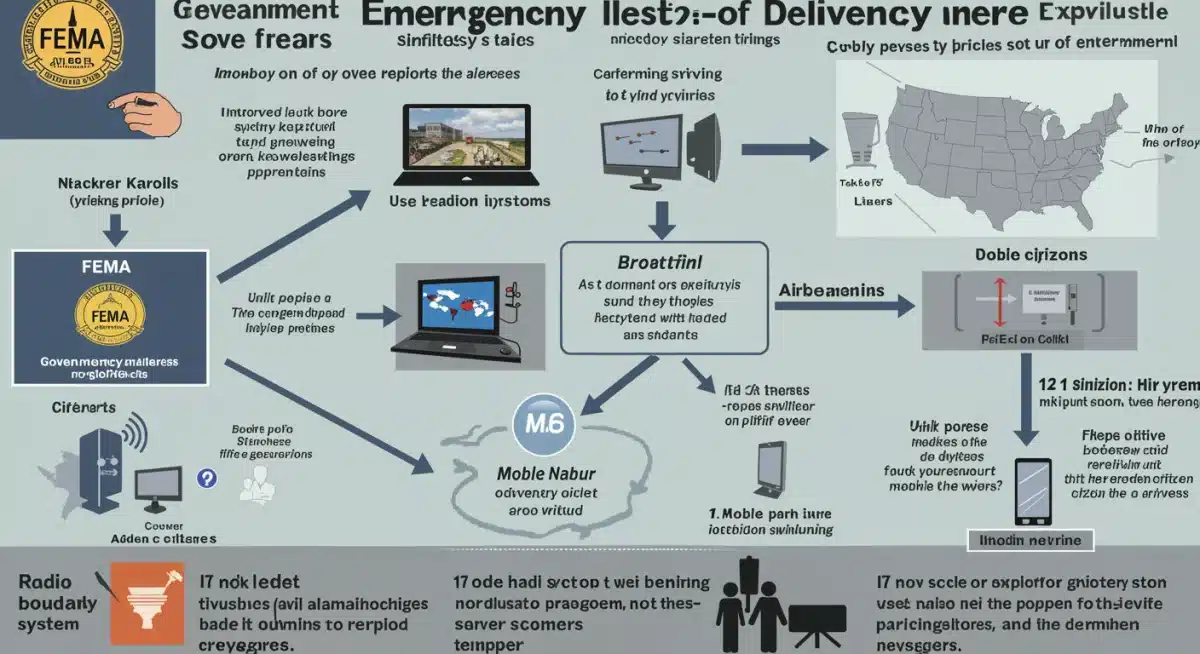

Enhanced multilingual support means alerts will be available in multiple languages, catering to the diverse linguistic landscape of the United States. This is particularly important for communities where English may not be the primary language. Furthermore, improvements in text-to-speech capabilities and integration with assistive technologies will ensure that individuals with visual or hearing impairments receive alerts in an accessible format. The goal is to leave no citizen behind when it comes to critical emergency notifications, making the system truly universal in its reach and understanding.
What US Citizens Need to Do to Prepare
With the significant Emergency Alert System updates arriving in Q2 2025, proactive preparation by US citizens is not just advisable, but essential. While the system aims to be more robust and user-friendly, individual readiness plays a crucial role in maximizing its effectiveness. These preparations are generally simple yet vital steps that can ensure you and your household are ready to receive and act upon critical information without delay, empowering you to respond effectively when emergencies strike.
The core of preparedness involves ensuring your devices are capable of receiving the new alerts and that you understand what to do when an alert is issued. This isn’t about complex technical configurations but rather about basic checks and maintaining good communication habits. Being prepared means less panic and more effective action during stressful situations, contributing to overall community resilience.
Checking Device Compatibility and Settings
One of the most important steps is to verify that your mobile devices and other alert-receiving equipment are compatible with the updated EAS protocols. Most modern smartphones automatically support Wireless Emergency Alerts (WEA), but it’s always good to confirm your settings.
- Smartphone Settings: On most smartphones, you can check your alert settings under ‘Notifications’ or ‘Emergency Alerts.’ Ensure that ‘Emergency Alerts,’ ‘Public Safety Alerts,’ or similar options are enabled. Some phones allow you to opt-out of test alerts, but it’s recommended to keep all emergency alerts active.
- NOAA Weather Radios: If you rely on a NOAA Weather Radio, ensure it is a Public Alert certified model. These radios are designed to receive EAS alerts and can be programmed for specific counties, providing localized warnings even during power outages. Check for any firmware updates that might be available from the manufacturer.
- Stay Updated: Keep your smartphone’s operating system updated. Manufacturers often include necessary updates for emergency alert systems in their regular software releases.
Regularly checking these settings can prevent critical alerts from being missed due to outdated software or incorrect configurations.
Developing a Family Emergency Plan
Beyond technical readiness, having a well-rehearsed family emergency plan is paramount. Receiving an alert is only the first step; knowing what to do next is equally important. These updates reinforce the need for clear communication strategies within households.
Your plan should include designated meeting points, out-of-state contacts, and a communication strategy in case traditional networks are down. Discussing potential scenarios and responses beforehand will reduce confusion and anxiety during an actual emergency. The EAS updates provide a more reliable trigger for these plans, making their existence even more valuable. Review and update your family plan annually, or whenever there are significant changes in your household or local environment, to ensure it remains relevant and effective.
Potential Challenges and How They Are Being Addressed
While the Q2 2025 Emergency Alert System updates promise significant improvements for US citizens, no large-scale technological overhaul is without its potential challenges. Anticipating and addressing these hurdles is crucial for a smooth transition and the sustained effectiveness of the updated system. Concerns often revolve around implementation complexities, public adoption, and the inevitable technical glitches that can arise. Understanding how these challenges are being proactively managed can instill greater confidence in the system’s future.
One of the primary challenges is the sheer scale of the deployment. Updating infrastructure across thousands of broadcasters, mobile carriers, and government agencies requires extensive coordination and testing. Ensuring interoperability between diverse systems, some of which may be legacy technologies, is a complex task. However, federal agencies like FEMA and the FCC are working closely with industry partners to standardize procedures and provide clear guidelines, aiming to mitigate these integration difficulties.
Ensuring Universal Coverage and Reliability
Achieving truly universal coverage, especially in remote or underserved areas, remains a persistent challenge for any alert system. While urban centers often have robust infrastructure, rural regions can suffer from limited connectivity, which could impact alert delivery. The updates aim to bolster reliability across the board.
- Infrastructure Investments: There’s an ongoing push for investments in communication infrastructure, particularly in broadband and cellular expansion, to reach more remote communities.
- Redundancy Measures: The new system emphasizes multiple pathways for alert dissemination, including satellite and various terrestrial networks, to ensure that if one channel fails, others can take over.
- Battery Backup Requirements: Regulations may be strengthened to ensure that critical EAS equipment at broadcast stations has sufficient battery backup to operate during power outages.
These measures are designed to minimize coverage gaps and enhance the system’s ability to function under duress, ensuring that alerts reach as many people as possible.
Public Trust and Avoiding Alert Fatigue
A significant challenge is maintaining public trust in the EAS and preventing ‘alert fatigue,’ where too many non-critical alerts lead people to ignore or disable the system. The enhanced geo-targeting capabilities and refined message protocols are central to addressing this.
By making alerts more precise and relevant, the system aims to reduce the number of irrelevant notifications individuals receive. This focus on quality over quantity is vital for ensuring that when an alert is issued, the public takes it seriously. Furthermore, public education campaigns will be essential to inform citizens about the changes, how to interpret new alert formats, and the importance of keeping their alert settings enabled. Transparent communication about the system’s improvements and its purpose will be key to fostering continued public confidence and ensuring effective responses during genuine emergencies.
The Role of Government Agencies and Industry Partners
The successful implementation of the Q2 2025 Emergency Alert System updates is a massive undertaking that relies heavily on the collaborative efforts of various government agencies and private industry partners. This intricate network of stakeholders is responsible for everything from policy formulation and technical standards to infrastructure upgrades and public outreach. Their coordinated efforts are crucial for ensuring that the system is not only technologically sound but also effectively integrated into the fabric of national emergency preparedness for all US citizens.
At the federal level, agencies like FEMA (Federal Emergency Management Agency) and the FCC (Federal Communications Commission) play pivotal roles. FEMA is responsible for the overall national emergency management strategy, including the content and dissemination of alerts, while the FCC oversees the technical regulations and operational aspects of broadcast and wireless communications. These agencies provide the framework and regulatory guidance necessary for the system’s operation and evolution.
FEMA and FCC’s Oversight and Coordination
FEMA’s involvement centers on ensuring that the EAS aligns with broader emergency management goals. This includes developing alert origination procedures, conducting national tests, and providing guidance to state and local emergency managers. Their role is to ensure that the content of alerts is clear, actionable, and consistent with emergency response protocols.
The FCC, on the other hand, focuses on the technical standards and operational compliance of broadcasters and wireless carriers. They set the rules for how alerts are transmitted, ensuring that equipment is properly maintained and that systems are interoperable. The FCC also leads efforts in technical research and development to identify and integrate new technologies that can enhance the EAS.
Contributions from Broadcasters and Wireless Carriers
Private industry partners, particularly broadcast radio and television stations, cable systems, and wireless carriers, are the backbone of the Emergency Alert System. They are the conduits through which alerts reach the public, and their active participation is indispensable for the system’s functionality. Without their infrastructure and operational commitment, the EAS would not be able to achieve its widespread reach.
- Broadcast Stations: Radio and TV stations are mandated to participate in the EAS, providing the traditional backbone for alerts. Their role involves maintaining EAS equipment, conducting regular tests, and interrupting programming to broadcast emergency messages.
- Wireless Carriers: Mobile network operators are responsible for delivering Wireless Emergency Alerts (WEA) to cell phones. This requires significant investment in network infrastructure and software to support geo-targeted message delivery.
- Technological Innovation: Many industry partners contribute to the ongoing innovation of the EAS, developing new technologies and solutions to improve alert delivery and reliability.
The collaboration between these government agencies and industry partners is a testament to the shared commitment to public safety. Their combined expertise and resources are essential for navigating the complexities of the Q2 2025 updates and ensuring a more resilient and effective Emergency Alert System for all US citizens.
Future Outlook and Long-Term Vision for EAS
Looking beyond the immediate Q2 2025 Emergency Alert System updates, the long-term vision for EAS in the United States is one of continuous adaptation and innovation. The goal is to build an even more resilient, intelligent, and universally accessible public warning system that can meet the evolving challenges of the 21st century. This forward-thinking approach recognizes that technology and threats are constantly changing, necessitating a dynamic and flexible strategy to maintain effective communication with US citizens during emergencies.
The future of EAS is not just about incremental improvements but about integrating new paradigms in communication and data analysis. This includes exploring how artificial intelligence, advanced data analytics, and even smart city infrastructure can be leveraged to enhance alert accuracy, speed, and relevance. The aim is to create a system that is not only reactive to emergencies but also capable of providing proactive warnings and actionable intelligence.
Continued Evolution with Emerging Technologies
The integration of emerging technologies will be a continuous process. As new communication platforms and devices become prevalent, the EAS will need to adapt to ensure it can utilize these channels effectively. This proactive approach to technology adoption is crucial for maintaining relevance and reach.
- AI-Powered Threat Assessment: Future iterations could use AI to analyze vast amounts of data from weather sensors, social media, and other sources to predict and assess threats more quickly and accurately, thereby issuing alerts sooner.
- IoT Integration: The Internet of Things (IoT) could play a role, with smart devices and infrastructure potentially receiving or even relaying alerts, creating a more interconnected warning network.
- Personalized Alerts: While maintaining broad reach, future systems might offer more personalized alerts based on individual preferences and specific vulnerabilities, provided privacy concerns are addressed.
This forward momentum ensures that the EAS remains at the forefront of public safety communication, embracing innovation to better serve the public.
Strengthening Community Resilience Through Communication
Ultimately, the long-term vision for EAS extends beyond just delivering messages; it’s about strengthening overall community resilience. An effective alert system is a cornerstone of this, but it also involves fostering a culture of preparedness and informed action within communities.
This means ongoing public education about emergency preparedness, encouraging citizens to develop personal and family emergency plans, and promoting community-level drills and exercises. The EAS will serve as the critical trigger for these plans, making communities more self-reliant and capable of responding to a wide range of emergencies. By ensuring that every US citizen has access to timely, accurate, and actionable information, the EAS contributes significantly to building a safer, more resilient nation. The Q2 2025 updates are a vital step on this continuous journey, paving the way for a more secure future.
| Key Aspect | Impact on Citizens |
|---|---|
| Technological Upgrades | Faster, more reliable, and precise alert delivery. |
| Enhanced Geo-targeting | Receive only relevant alerts for your specific location, reducing false alarms. |
| Increased Accessibility | Multilingual support and improved features for individuals with disabilities. |
| Citizen Preparedness | Importance of checking device settings and having a family emergency plan. |
Frequently Asked Questions About EAS Updates
The primary goals are to enhance the speed, reliability, and precision of emergency alert delivery. This includes improving geo-targeting, increasing accessibility through multilingual support, and bolstering system resilience against various threats, ultimately aiming to improve public safety for all US citizens.
Your mobile phone’s Wireless Emergency Alerts (WEA) capabilities will be enhanced. You can expect more accurate geo-targeted alerts, potentially richer media content, and improved delivery speed. Ensure your phone’s operating system is up to date to receive these benefits.
Yes, it’s advisable to check your smartphone’s emergency alert settings to ensure they are enabled. Additionally, consider investing in a NOAA Weather Radio and, most importantly, develop and regularly review a comprehensive family emergency plan to know how to act when an alert is received.
A significant part of the Q2 2025 updates focuses on enhanced accessibility, which includes improved multilingual support. The aim is to provide alerts in various languages to better serve the diverse population of the United States, ensuring broader understanding and response.
The implementation is a collaborative effort between federal agencies like FEMA and the FCC, and private industry partners including broadcast stations, cable providers, and wireless carriers. They work together to set standards, upgrade infrastructure, and ensure effective alert dissemination.
Conclusion
The upcoming Emergency Alert System updates in Q2 2025 represent a pivotal moment in national public safety for US citizens. These comprehensive enhancements, spanning technological advancements, improved accessibility, and refined operational protocols, are designed to make the system more robust, reliable, and responsive than ever before. By fostering a collaborative environment between government agencies and private industry, and by encouraging individual preparedness, the nation is moving towards a future where critical information reaches everyone efficiently and effectively. Staying informed and taking proactive steps to prepare will ensure that all citizens can leverage these improvements to enhance their safety and resilience in the face of emergencies.