Cybersecurity for Finances 2026: 7 Steps to Protect Digital Assets
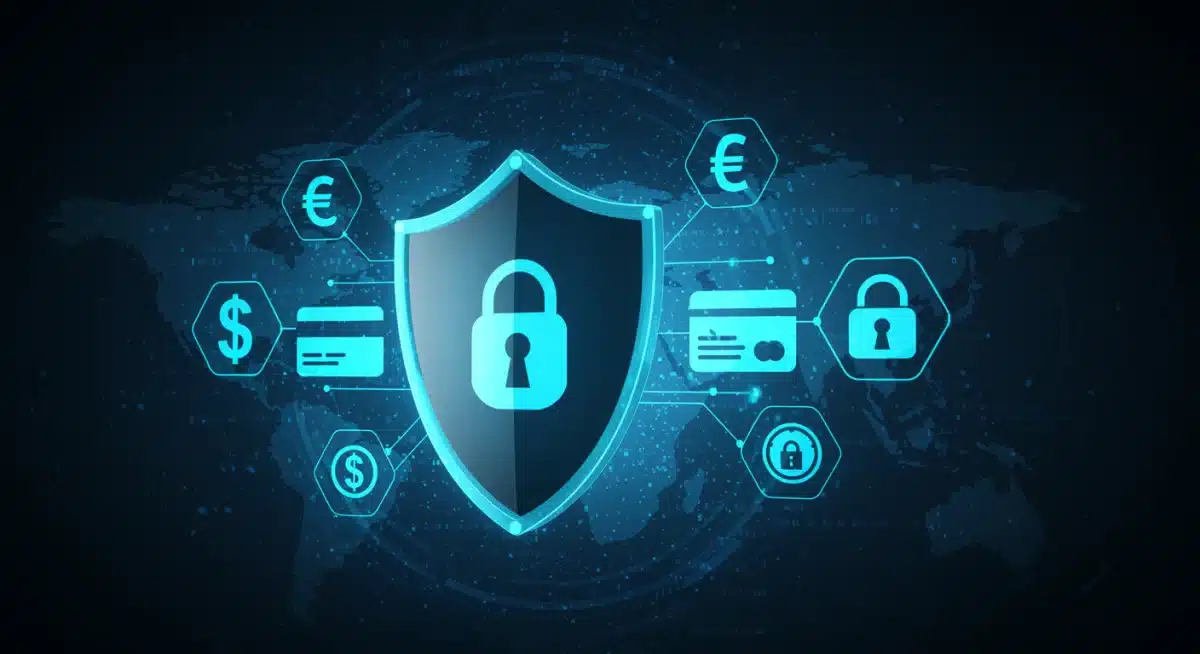
Implementing robust financial cybersecurity in 2026 means embracing advanced authentication, understanding emerging threats, and consistently updating protective measures to shield your digital assets effectively.
In an increasingly digital world, safeguarding your financial well-being is paramount. As we look towards 2026, the landscape of cyber threats continues to evolve, making comprehensive financial cybersecurity 2026 more critical than ever. This guide will walk you through seven essential steps to protect your digital assets effectively.
Understanding the Evolving Threat Landscape
The digital realm is a constant battlefield, with cybercriminals continually developing new tactics to exploit vulnerabilities. In 2026, these threats are more sophisticated than ever, ranging from advanced phishing schemes to state-sponsored attacks targeting financial institutions and individuals alike. Recognizing these evolving dangers is the first step toward building an impenetrable defense for your money.
The sheer volume and complexity of cyberattacks demand a proactive and adaptive approach. Traditional security measures alone are often insufficient against threats that leverage artificial intelligence and machine learning to bypass defenses. Staying informed about the latest attack vectors and vulnerabilities is not just recommended; it’s a necessity.
The Rise of AI-Powered Attacks
Artificial intelligence is a double-edged sword. While it offers powerful tools for defense, it also empowers attackers with capabilities previously unimaginable. AI can automate phishing campaigns, create highly convincing deepfake scams, and even discover zero-day vulnerabilities faster than human researchers.
- Personalized Phishing: AI crafts emails and messages that appear incredibly legitimate, often mimicking trusted contacts or institutions.
- Deepfake Fraud: Voice and video deepfakes are used to impersonate individuals for fraudulent transactions or information extraction.
- Automated Exploitation: AI-driven bots can scan for and exploit system weaknesses at an unprecedented speed, leaving little time for manual intervention.
Understanding these AI-powered threats underscores the need for equally advanced defensive strategies. Your financial cybersecurity in 2026 must be built on a foundation of continuous learning and adaptation to counter these sophisticated adversaries.
Step 1: Fortify Your Digital Identity with Robust Authentication
Your digital identity is the gateway to your financial accounts. In 2026, relying solely on passwords is akin to leaving your front door unlocked. Robust authentication methods are your first line of defense against unauthorized access, significantly reducing the risk of account takeover.
Implementing multi-factor authentication (MFA) across all your financial platforms is no longer optional; it’s mandatory. MFA adds layers of security by requiring more than one method of verification before granting access, making it exponentially harder for cybercriminals to breach your accounts, even if they manage to steal your password.
Embracing Multi-Factor Authentication (MFA)
MFA combines something you know (like a password) with something you have (like your phone or a hardware token) or something you are (like a fingerprint or facial scan). This layered approach creates a formidable barrier against unauthorized entry.
- Biometric Authentication: Utilize fingerprint or facial recognition for banking apps and devices.
- Hardware Security Keys: Physical keys offer the highest level of protection by requiring a physical presence for login.
- Authenticator Apps: Apps like Google Authenticator or Authy generate time-sensitive codes, providing a dynamic second factor.
Beyond MFA, consider adopting passwordless solutions where available. These technologies often leverage biometrics or cryptographic keys, eliminating the weakest link in traditional security: the password. Strengthening your digital identity through these advanced authentication methods is a cornerstone of effective financial cybersecurity in 2026.
Step 2: Secure Your Devices and Networks
Every device you use to access your finances—your smartphone, laptop, tablet—is a potential entry point for cybercriminals. Similarly, the networks you connect to can expose your sensitive data. Securing these touchpoints is fundamental to maintaining strong financial cybersecurity in 2026.
Regularly updating your operating systems, applications, and antivirus software is non-negotiable. These updates often include critical security patches that fix newly discovered vulnerabilities. Neglecting updates leaves you exposed to known exploits that attackers are quick to leverage.
Best Practices for Device and Network Security
Beyond updates, proactive measures like using strong, unique passwords for each device and enabling firewalls are crucial. Encrypting your devices adds another layer of protection, making your data unreadable if your device falls into the wrong hands.
- Strong, Unique Passwords: Use complex passwords for all devices, distinct from those used for your online accounts.
- Always Encrypt: Enable full disk encryption on laptops and tablets, and ensure your smartphone’s data is encrypted.
- Secure Wi-Fi: Avoid public Wi-Fi for financial transactions; if unavoidable, use a Virtual Private Network (VPN).
Your home network should also be secured with a strong Wi-Fi password and updated router firmware. Consider segmenting your network if you have smart home devices, isolating them from your primary financial devices. A secure device and network environment forms a critical foundation for protecting your digital assets.
Step 3: Vigilant Monitoring of Financial Accounts and Credit
Even with robust preventative measures, vigilance remains critical. Cybercriminals are persistent, and a breach can still occur. Proactive monitoring of your financial accounts and credit reports allows you to detect and respond to suspicious activity quickly, minimizing potential damage.
Many financial institutions offer real-time alerts for transactions or login attempts. Enrolling in these services provides an early warning system, notifying you of any activity that deviates from your normal patterns. This immediate feedback is invaluable in stopping fraud before it escalates.
Leveraging Monitoring Tools and Services
Beyond bank alerts, utilize credit monitoring services to track changes to your credit report. Identity theft protection services can also monitor for suspicious use of your personal information, such as new accounts opened in your name.
- Real-time Transaction Alerts: Set up notifications for all transactions, large or small, on credit cards and bank accounts.
- Regular Credit Report Checks: Obtain your free credit report annually from each of the three major bureaus (Equifax, Experian, TransUnion) and review them thoroughly.
- Identity Theft Protection: Consider services that monitor the dark web for your personal data and provide restoration assistance.
Consistent and thorough monitoring is an indispensable component of financial cybersecurity in 2026. It acts as your personal alarm system, ensuring that any unauthorized activity is caught and addressed promptly, safeguarding your hard-earned assets.
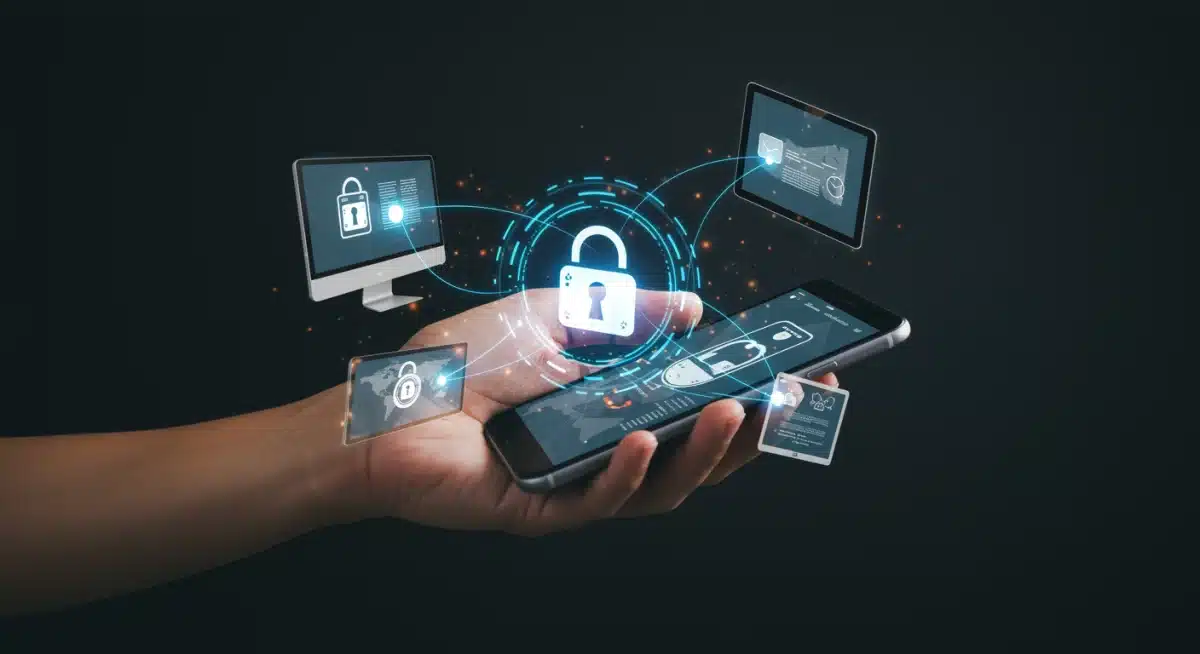
Step 4: Practice Prudent Digital Habits
Technology alone cannot fully protect you; your daily digital habits play a significant role in your financial cybersecurity posture. Careless online behavior can negate even the most advanced security measures, making you an easy target for opportunistic attackers.
Being skeptical of unsolicited communications, avoiding suspicious links, and verifying requests for personal information are fundamental practices. Cybercriminals often exploit human psychology through social engineering, tricking individuals into compromising their own security.
Essential Digital Hygiene for Financial Safety
Think before you click, share, or download. This simple mantra can prevent a multitude of cyber incidents. Understanding the common tactics used by scammers—like urgency, fear, or promises of unrealistic gains—helps you identify and avoid their traps.
- Verify Senders: Always double-check the sender’s email address and hover over links before clicking to see the true destination.
- Be Wary of Public Wi-Fi: Avoid conducting financial transactions on unsecured public networks.
- Strong, Unique Passwords: Never reuse passwords across different accounts. Use a reputable password manager.
Cultivating prudent digital habits is an ongoing process. Educate yourself and your family about common scams and best practices. By adopting a mindset of caution and awareness, you significantly enhance your personal financial cybersecurity in 2026.
Step 5: Understand and Manage Your Digital Footprint
Your digital footprint—the trail of data you leave online—can be a treasure trove for cybercriminals seeking to impersonate you or gain access to your accounts. In 2026, effectively managing this footprint is crucial for protecting your financial privacy and security.
Every online interaction, from social media posts to e-commerce purchases, contributes to your digital profile. Attackers can piece together seemingly innocuous information to answer security questions, craft targeted phishing attacks, or even commit identity fraud.
Minimizing Your Online Exposure
Regularly review and adjust privacy settings on social media and other online services. Be selective about what personal information you share publicly. The less data available about you online, the harder it is for criminals to exploit it.
- Review Privacy Settings: Audit and restrict who can see your personal information on all online platforms.
- Limit Information Sharing: Be cautious about posting details like your birthday, hometown, or pet names that could be used for security questions.
- Delete Unused Accounts: Close old or inactive online accounts that may contain your personal data and could be vulnerable to breaches.
Proactively managing your digital footprint reduces the surface area for attack. It’s about being mindful of the data you generate and share, ensuring that you control your narrative online and bolster your financial cybersecurity against exploitation.
Step 6: Leverage Advanced Security Software and Tools
While basic antivirus software is a start, financial cybersecurity in 2026 demands a more sophisticated arsenal of security tools. Advanced threat protection, secure browsers, and encrypted communication channels provide layers of defense against modern cyber threats.
Invest in reputable security suites that offer more than just virus scanning. Look for features like real-time threat detection, ransomware protection, secure browsing, and VPN integration. These comprehensive solutions are designed to combat the multifaceted nature of today’s cyberattacks.
Key Security Tools for Digital Asset Protection
Beyond traditional antivirus, consider tools that specialize in protecting financial transactions and personal data. A password manager is non-negotiable for generating and storing strong, unique passwords across all your accounts.
- Reputable Antivirus/Anti-Malware: Ensure your software includes ransomware and zero-day exploit protection.
- Password Manager: Use a trusted manager to create and securely store complex, unique passwords.
- Virtual Private Network (VPN): Encrypt your internet connection, especially when using public Wi-Fi, to protect your data from eavesdropping.
Staying current with the best available security software and tools is a dynamic process. Regularly research and update your digital defenses to ensure you are equipped to handle the latest threats, thereby strengthening your financial cybersecurity posture.
Step 7: Continuous Education and Adaptability
The final, and perhaps most crucial, step in maintaining strong financial cybersecurity in 2026 is continuous education and adaptability. The cyber threat landscape is constantly evolving, and what was secure yesterday may be vulnerable tomorrow. Your knowledge and practices must evolve alongside it.
Stay informed about emerging threats, new security best practices, and technological advancements. Follow reputable cybersecurity news sources, attend webinars, and engage with online communities dedicated to digital safety. Knowledge is your most powerful weapon against cybercriminals.
Staying Ahead of Cyber Threats
Adaptability means being willing to change your security habits as new recommendations emerge. It involves regularly reviewing your security setup, updating your understanding of risks, and implementing new tools or strategies as needed.
- Follow Cybersecurity News: Subscribe to newsletters and blogs from trusted security experts and organizations.
- Participate in Training: Engage in any cybersecurity training offered by your employer or financial institutions.
- Review and Update: Periodically reassess your security measures and update them to reflect the latest recommendations and threats.
Embracing a mindset of continuous learning and adaptability ensures that your financial cybersecurity remains robust and effective against the ever-changing array of digital threats. This proactive approach is the ultimate defense for your digital assets in 2026 and beyond.
| Key Step | Brief Description |
|---|---|
| Robust Authentication | Implement MFA and passwordless solutions for all financial accounts. |
| Secure Devices & Networks | Keep software updated, use strong Wi-Fi passwords, and encrypt devices. |
| Vigilant Monitoring | Regularly check financial accounts and credit reports for suspicious activity. |
| Prudent Digital Habits | Practice skepticism, avoid suspicious links, and use a password manager. |
Frequently Asked Questions About Financial Cybersecurity
The most critical step is implementing robust multi-factor authentication (MFA) across all your financial accounts. MFA adds essential layers of security beyond just a password, making it significantly harder for unauthorized users to gain access to your sensitive financial data and assets.
You should update your operating systems, applications, and security software as soon as updates become available. These updates frequently include critical security patches that address newly discovered vulnerabilities, protecting you from emerging threats and exploits that cybercriminals might try to leverage.
No, public Wi-Fi is generally not safe for financial transactions due to its inherent lack of security. Cybercriminals can easily intercept data transmitted over unsecured public networks. If you must use public Wi-Fi, always connect through a reputable Virtual Private Network (VPN) to encrypt your connection.
Your digital footprint is the trail of data you leave online through your activities. It’s important because cybercriminals can use this information to build profiles, answer security questions, or craft personalized phishing attacks, potentially leading to identity theft or financial fraud. Managing it reduces your vulnerability.
To stay informed, regularly follow reputable cybersecurity news outlets, subscribe to newsletters from trusted security organizations, and participate in online forums or communities dedicated to digital safety. This continuous education is vital for adapting your defenses against the constantly evolving cyber threat landscape.
Conclusion
As we navigate the complexities of 2026, the importance of robust financial cybersecurity cannot be overstated. The digital world offers unparalleled convenience, but it also presents a constantly evolving array of threats to our financial well-being. By diligently following these seven essential steps—from fortifying your digital identity with advanced authentication to embracing continuous education and adaptability—you can build a resilient defense for your digital assets. Proactive measures, combined with vigilant monitoring and prudent digital habits, are your best allies in safeguarding your finances against the sophisticated cybercriminals of today and tomorrow. Your financial security is a journey, not a destination, requiring ongoing commitment and awareness.