2026 CHIP Reauthorization: Children’s Health Benefits Nationwide

The 2026 CHIP Reauthorization is a critical legislative act ensuring continued funding and expanded access to vital healthcare services for millions of children nationwide, directly impacting their well-being and future.
As we approach 2026, a pivotal moment for children’s healthcare in the United States looms: the 2026 CHIP Reauthorization. This legislative decision holds immense significance, determining the future of health benefits for millions of children and pregnant women across the nation, ensuring they receive the essential medical care they need to thrive.
understanding CHIP: its origins and mission
The Children’s Health Insurance Program (CHIP) stands as a cornerstone of the American healthcare landscape, providing low-cost health coverage to children in families who earn too much money to qualify for Medicaid but cannot afford private insurance. Its establishment marked a significant stride towards ensuring that economic status does not dictate access to fundamental medical care for the youngest members of our society.
Since its inception in 1997, CHIP has been instrumental in dramatically reducing the rate of uninsured children across the United States. It operates as a federal-state partnership, allowing states flexibility in designing their programs while adhering to federal guidelines. This collaborative model ensures that healthcare solutions are tailored to meet diverse local needs, making it a highly adaptable and effective program.
the foundational goals of CHIP
CHIP was created with several core objectives aimed at improving child health outcomes. These goals continue to guide its operation and underscore its importance.
- Expanding Access: To provide affordable health insurance to children in families with incomes above Medicaid eligibility but below levels that can afford private coverage.
- Promoting Preventive Care: To emphasize and cover essential preventive services, encouraging early detection and management of health issues.
- Reducing Health Disparities: To address inequalities in healthcare access among different socioeconomic and demographic groups of children.
- Supporting Family Well-being: By alleviating the financial burden of healthcare, CHIP enables families to invest in other critical areas like education and nutrition.
The program’s success is evident in the millions of children who have received crucial medical, dental, and vision care, allowing them to grow up healthier and with greater opportunities. The upcoming 2026 reauthorization is not just about funding; it’s about reaffirming a commitment to these foundational goals and adapting them to the evolving healthcare needs of the nation.
the current landscape of children’s health benefits
Before delving into the specifics of the 2026 CHIP Reauthorization, it’s essential to understand the current state of children’s health benefits under CHIP. The program presently covers a comprehensive range of services designed to support the holistic health and development of children from birth through age 18. This broad coverage is a testament to CHIP’s commitment to preventive care and early intervention.
Eligibility for CHIP varies by state, typically based on a percentage of the Federal Poverty Level (FPL). While the federal government provides significant funding, states have the authority to set their income limits, often extending coverage to families earning up to 200% or even 300% of the FPL. This flexibility is crucial in addressing regional economic differences and ensuring that more children have access to necessary care.
services covered by CHIP
The scope of services covered under CHIP is extensive, rivaling that of many private insurance plans. This robust coverage ensures that children receive not only emergency care but also routine health maintenance.
- Routine Check-ups and Doctor Visits: Essential for monitoring growth and development, and for early detection of potential health issues.
- Immunizations: Protecting children from a wide array of preventable diseases.
- Prescription Medications: Covering necessary drugs for acute and chronic conditions.
- Dental and Vision Care: Crucial for overall health, often overlooked in basic health plans.
- Hospital Care (inpatient and outpatient): For more serious illnesses or injuries.
- Laboratory and X-ray Services: Diagnostic tools vital for accurate medical assessments.
- Mental Health Services: Addressing the growing recognition of the importance of mental well-being in children.
The diverse range of benefits reflects an understanding that children’s health needs extend beyond basic medical attention. By covering dental, vision, and mental health services, CHIP promotes a comprehensive approach to child wellness, ensuring that children receive all necessary care for their physical and mental development. This broad coverage has been a key factor in improving health outcomes for millions of American children.
what the 2026 CHIP reauthorization entails
The 2026 CHIP Reauthorization is not merely a procedural renewal; it’s a critical legislative event that will shape the future of children’s healthcare in the United States for years to come. This reauthorization process involves Congress reviewing the program’s effectiveness, assessing current funding levels, and potentially introducing amendments to improve its reach and impact. The stakes are incredibly high, as the program’s continuity directly affects millions of vulnerable children and their families.
The reauthorization will primarily focus on securing federal funding for CHIP, which currently operates on a periodic basis. Without timely reauthorization, states could face significant budget shortfalls, potentially leading to cuts in services, increased premiums, or even the outright elimination of their CHIP programs. Such outcomes would have devastating consequences for children who rely on CHIP for their healthcare needs.
key considerations for the reauthorization
Several factors will be at the forefront of discussions during the reauthorization process. These considerations reflect both the program’s past successes and future challenges.
- Funding Stability: Ensuring a long-term, stable funding mechanism for CHIP to avoid future fiscal cliffs and allow states to plan more effectively.
- Program Modernization: Evaluating whether the current benefits package and eligibility criteria adequately address the evolving health needs of children, including considerations for telehealth and specialty care.
- State Flexibility: Balancing federal oversight with states’ ability to tailor programs to their unique populations and healthcare landscapes.
- Addressing Health Equity: Exploring ways to further reduce disparities in health outcomes and access to care among different demographic groups.
The reauthorization also provides an opportunity to strengthen CHIP’s integration with other healthcare programs, such as Medicaid, to create a more seamless and efficient system for families. Lawmakers will be tasked with finding common ground to ensure that this vital program continues its mission effectively, safeguarding the health of the nation’s children. The decisions made during this period will have lasting implications for public health and family well-being.
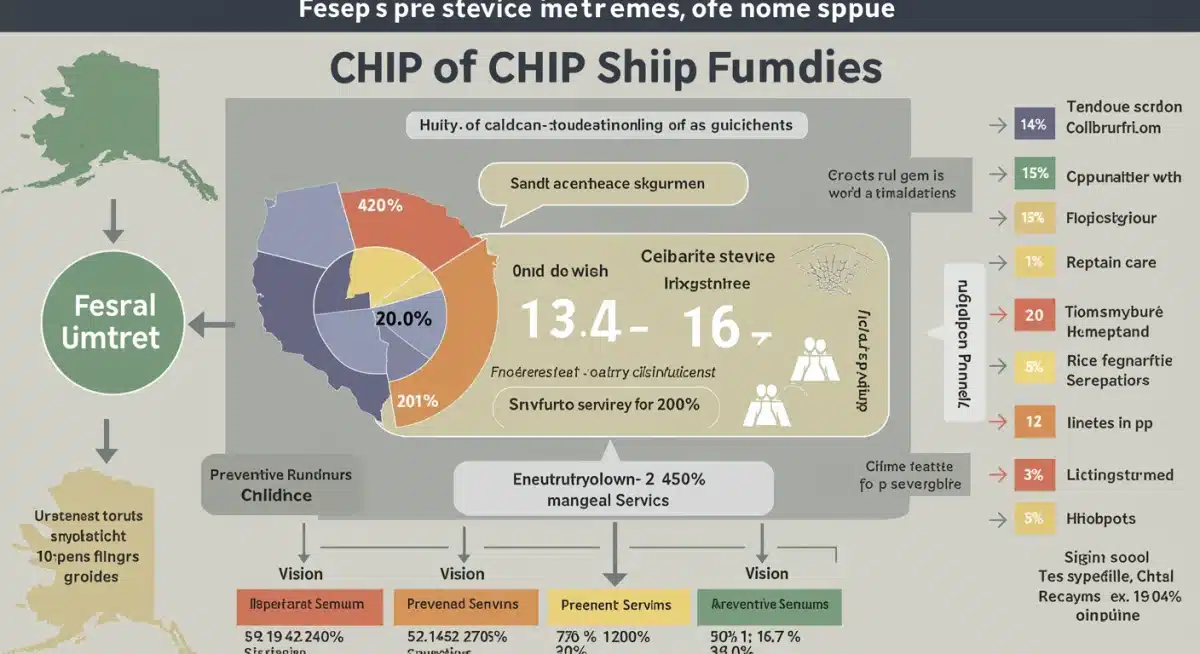
potential impacts on eligibility and services
The outcome of the 2026 CHIP Reauthorization holds significant implications for both eligibility criteria and the scope of services provided to children and pregnant women. While the core mission of CHIP is expected to remain intact, legislative adjustments could lead to important changes that affect how families access and utilize these vital health benefits. Understanding these potential shifts is crucial for beneficiaries and healthcare providers alike.
One of the primary areas of focus during reauthorization debates often revolves around income eligibility thresholds. Depending on economic conditions and political priorities, there could be discussions about adjusting the Federal Poverty Level (FPL) percentages that states use to determine who qualifies for CHIP. Any alteration here could either expand coverage to more families or, conversely, restrict access for some, leading to significant changes in beneficiary numbers.
changes to the benefits package
Beyond eligibility, the reauthorization could also influence the specific health services covered by CHIP. While comprehensive coverage is a hallmark of the program, there might be efforts to adapt the benefits package to current public health challenges and medical advancements.
- Expansion of Mental Health Services: With increasing awareness of childhood mental health, there could be mandates or incentives for states to expand access to counseling, therapy, and psychiatric care.
- Telehealth Integration: The pandemic accelerated telehealth adoption; the reauthorization might solidify its role in CHIP, ensuring continued coverage for virtual consultations and remote monitoring.
- Specialty Care Access: Efforts to improve access to specialized medical care for children with chronic conditions or complex health needs could be prioritized.
- Maternal Health Inclusion: Although CHIP primarily focuses on children, its coverage for pregnant women might be reviewed, potentially expanding prenatal and postpartum care options.
Any changes to services would aim to enhance the quality and accessibility of care, ensuring CHIP remains responsive to the evolving healthcare landscape. However, these discussions also involve balancing comprehensive coverage with fiscal responsibility, making the reauthorization a complex balancing act. Families should monitor legislative updates closely to understand how these potential changes might affect their children’s healthcare access in 2026 and beyond.
state-level preparedness and implementation challenges
The federal 2026 CHIP Reauthorization sets the stage, but the real impact is felt at the state level, where programs are administered and services delivered. Each state operates its CHIP program with a degree of autonomy, leading to variations in eligibility, benefits, and administrative structures. This localized approach means that states must be well-prepared to adapt to any changes stemming from the federal reauthorization, a process fraught with both opportunities and challenges.
State health agencies and legislatures will need to review their current CHIP frameworks against the reauthorized federal guidelines. This often involves amending state laws, adjusting budget allocations, and updating operational procedures. The complexity of these tasks is amplified by the sheer diversity of state healthcare systems and their unique demographic needs. A seamless transition is paramount to avoid disruptions in coverage for eligible children.
common implementation hurdles for states
States face several significant challenges in implementing federal CHIP reauthorization, which can impact the efficiency and effectiveness of the program.
- Funding Allocation: Ensuring sufficient state matching funds to draw down federal contributions, especially if federal funding formulas or requirements change.
- System Updates: Modifying IT systems and enrollment platforms to reflect new eligibility criteria, reporting requirements, or benefit changes.
- Provider Network Adequacy: Maintaining or expanding networks of healthcare providers to meet the needs of beneficiaries, particularly in rural or underserved areas.
- Public Awareness and Outreach: Informing eligible families about changes to the program, ensuring they understand how to enroll or renew coverage.
Successful implementation requires robust planning, effective communication between federal and state agencies, and proactive engagement with stakeholders, including healthcare providers and advocacy groups. States that can navigate these challenges efficiently will be better positioned to maximize the benefits of the 2026 CHIP Reauthorization, ensuring that their children continue to receive uninterrupted access to essential health services.
advocacy and the future of children’s health benefits
The journey towards the 2026 CHIP Reauthorization is heavily influenced by the tireless efforts of various advocacy groups, child health organizations, and concerned citizens. These stakeholders play a crucial role in shaping public opinion, informing policymakers, and ensuring that the voices of children and families are heard throughout the legislative process. Their advocacy is not just about securing funding; it’s about championing the fundamental right to health for every child.
Advocacy efforts typically focus on highlighting the profound impact of CHIP on child health outcomes, presenting compelling data on reduced uninsured rates, improved access to preventive care, and the long-term benefits of early health interventions. They also work to humanize the statistics, sharing personal stories of families whose lives have been positively transformed by CHIP, thereby creating a powerful narrative that resonates with lawmakers and the public.
the role of advocacy in policy shaping
Advocates employ a range of strategies to influence the reauthorization debate and secure favorable outcomes for children’s health.
- Lobbying Efforts: Directly engaging with members of Congress and their staff to explain the importance of CHIP and advocate for robust, long-term funding.
- Public Awareness Campaigns: Launching initiatives to educate the public about CHIP, its benefits, and the potential consequences of inadequate reauthorization.
- Coalition Building: Forming alliances with other organizations, healthcare providers, and community leaders to present a united front and amplify their collective voice.
- Research and Policy Analysis: Providing evidence-based data and policy recommendations to demonstrate CHIP’s effectiveness and propose enhancements.
Looking beyond 2026, the future of children’s health benefits hinges on sustained advocacy and a continued commitment to investing in the well-being of the next generation. As healthcare landscapes evolve, advocates will remain essential in pushing for policies that address emerging health challenges, ensuring equitable access to care, and safeguarding programs like CHIP against political and economic pressures. The reauthorization is a critical milestone, but the broader mission of securing comprehensive health for all children is an ongoing endeavor.
ensuring equitable access and addressing disparities
A core objective of the 2026 CHIP Reauthorization, and indeed of the program itself, is to ensure equitable access to healthcare and to actively address existing health disparities among children nationwide. Despite CHIP’s successes, significant inequities persist, often along lines of race, socioeconomic status, and geographic location. The reauthorization presents a vital opportunity to reinforce and expand efforts aimed at leveling the playing field for all children, guaranteeing that every child has the chance to grow up healthy, regardless of their background.
Health disparities manifest in various ways, from higher rates of chronic conditions in certain communities to limited access to specialty care in rural areas. These disparities are often rooted in systemic issues such as poverty, lack of educational opportunities, and environmental factors. CHIP, by providing affordable health coverage, directly tackles one major barrier to care, but the reauthorization can push further to address the underlying causes and consequences of these inequities.
strategies for enhancing health equity
To truly ensure equitable access, the reauthorization could incorporate provisions that encourage or mandate specific strategies designed to reach underserved populations.
- Targeted Outreach Programs: Funding for states to conduct culturally competent outreach to minority communities and economically disadvantaged families, ensuring they are aware of and can easily enroll in CHIP.
- Rural Health Initiatives: Incentives for states to expand telehealth services, mobile clinics, and recruit healthcare professionals in rural and remote areas where access to care is limited.
- Language Access Services: Requirements for providing information and services in multiple languages to overcome linguistic barriers for non-English speaking families.
- Data Collection and Analysis: Enhancing data collection on race, ethnicity, and other demographic factors to better identify and address specific health disparities.
By integrating these and other equity-focused strategies into the 2026 CHIP Reauthorization, policymakers can ensure that the program not only continues to provide essential health coverage but also actively works to dismantle the systemic barriers that prevent many children from achieving optimal health. This commitment to equity is fundamental to building a healthier and more just society for all children across the United States.
| Key Aspect | Brief Description |
|---|---|
| Program Continuity | Ensures continued federal funding for children’s health insurance, preventing service cuts. |
| Eligibility & Services | Potential adjustments to income thresholds and expansion of covered benefits like mental health. |
| State Implementation | States must adapt budgets, systems, and outreach to align with new federal guidelines. |
| Health Equity | Focus on targeted outreach and rural initiatives to reduce healthcare disparities. |
frequently asked questions about the 2026 CHIP Reauthorization
The primary purpose is to secure continued federal funding for the Children’s Health Insurance Program, ensuring that millions of children and pregnant women nationwide retain access to affordable health coverage. It also provides an opportunity to review and potentially update program guidelines to better meet evolving healthcare needs.
Eligibility might change based on legislative adjustments to income thresholds, typically tied to the Federal Poverty Level (FPL). Some states could expand coverage to more families, while others might face restrictions, depending on specific state-level decisions and federal mandates resulting from the reauthorization.
Yes, the reauthorization could influence the scope of covered services. Discussions may focus on expanding mental health services, solidifying telehealth coverage, improving access to specialty care, and potentially enhancing maternal health benefits to align with current public health priorities and medical advancements.
States are crucial for implementation. They must adapt their CHIP programs to new federal guidelines, which includes adjusting budgets, updating IT systems, ensuring adequate provider networks, and conducting outreach. State flexibility allows programs to be tailored to local needs but also presents implementation challenges.
Advocacy groups significantly influence the process through lobbying, public awareness campaigns, coalition building, and providing data-driven policy analysis. Their efforts ensure that the needs of children and families are central to legislative discussions, promoting robust funding and comprehensive coverage for CHIP beneficiaries.
conclusion
The 2026 CHIP Reauthorization represents a critical juncture for children’s health in the United States. Its successful passage is not merely a formality but a profound reaffirmation of our commitment to ensuring that every child has access to the essential healthcare services they need to lead healthy, productive lives. From securing stable funding to potentially expanding benefits and addressing health disparities, the decisions made during this reauthorization period will resonate across communities nationwide, shaping the well-being of future generations and reinforcing the foundational principle that a healthy society begins with healthy children. Continued vigilance and advocacy will be paramount to safeguarding this invaluable program.