Navigating the Green Economy: 7 New Job Opportunities Projected to Grow 20% by Mid-2026 in the United States
The global shift towards sustainability isn’t just about protecting our planet; it’s also a powerful engine for economic growth and job creation. The United States, in particular, is experiencing a remarkable surge in what are known as green economy jobs. As environmental concerns become more pressing and technological advancements make sustainable practices more viable, new career paths are emerging at an unprecedented rate. This transformation isn’t just a trend; it’s a fundamental restructuring of various industries, leading to a robust demand for skilled professionals across a diverse range of sectors. For anyone looking to future-proof their career or make a meaningful impact, understanding the landscape of green economy jobs is absolutely crucial.
Analysts project significant growth in these sectors, with some roles expected to expand by a staggering 20% by mid-2026. This isn’t merely incremental growth; it represents a substantial wave of new opportunities for individuals with the right skills and passion. From renewable energy to sustainable agriculture, and from eco-friendly manufacturing to environmental consulting, the scope of green economy jobs is incredibly broad and continues to expand. This article will delve into seven specific job opportunities that are at the forefront of this growth, providing insights into what these roles entail, the skills required, and why they are poised for such rapid expansion in the coming years. By exploring these burgeoning fields, we aim to equip you with the knowledge needed to navigate this exciting new frontier of employment.
Understanding the Green Economy: A Catalyst for New Careers
Before we dive into specific roles, it’s important to grasp what the ‘green economy’ truly encompasses. The green economy is generally defined as an economy that aims at reducing environmental risks and ecological scarcities, and that aims for sustainable development without degrading the environment. It is closely related to ecological economics, but has a more politically applied focus. This includes industries focused on renewable energy, energy efficiency, waste management, sustainable transportation, conservation, and eco-friendly manufacturing. The overarching goal is to foster economic growth while simultaneously protecting natural capital and reducing pollution and greenhouse gas emissions. This paradigm shift requires innovation, investment, and, most importantly, a skilled workforce capable of implementing these sustainable practices. The demand for expertise in these areas is fueling the rapid expansion of green economy jobs across the nation.
The growth of the green economy is driven by several factors: increasing public awareness of climate change, government policies and incentives promoting sustainability, technological advancements that make green solutions more cost-effective, and corporate commitments to environmental social governance (ESG). These factors collectively create a fertile ground for new businesses and new job categories. As companies strive to meet sustainability targets and consumers demand eco-friendly products and services, the need for professionals who can bridge the gap between economic activity and environmental stewardship becomes paramount. This is why the forecast for green economy jobs is so optimistic, indicating a robust and expanding job market that offers both financial stability and a sense of purpose for many.
1. Renewable Energy Technicians: Powering Our Future
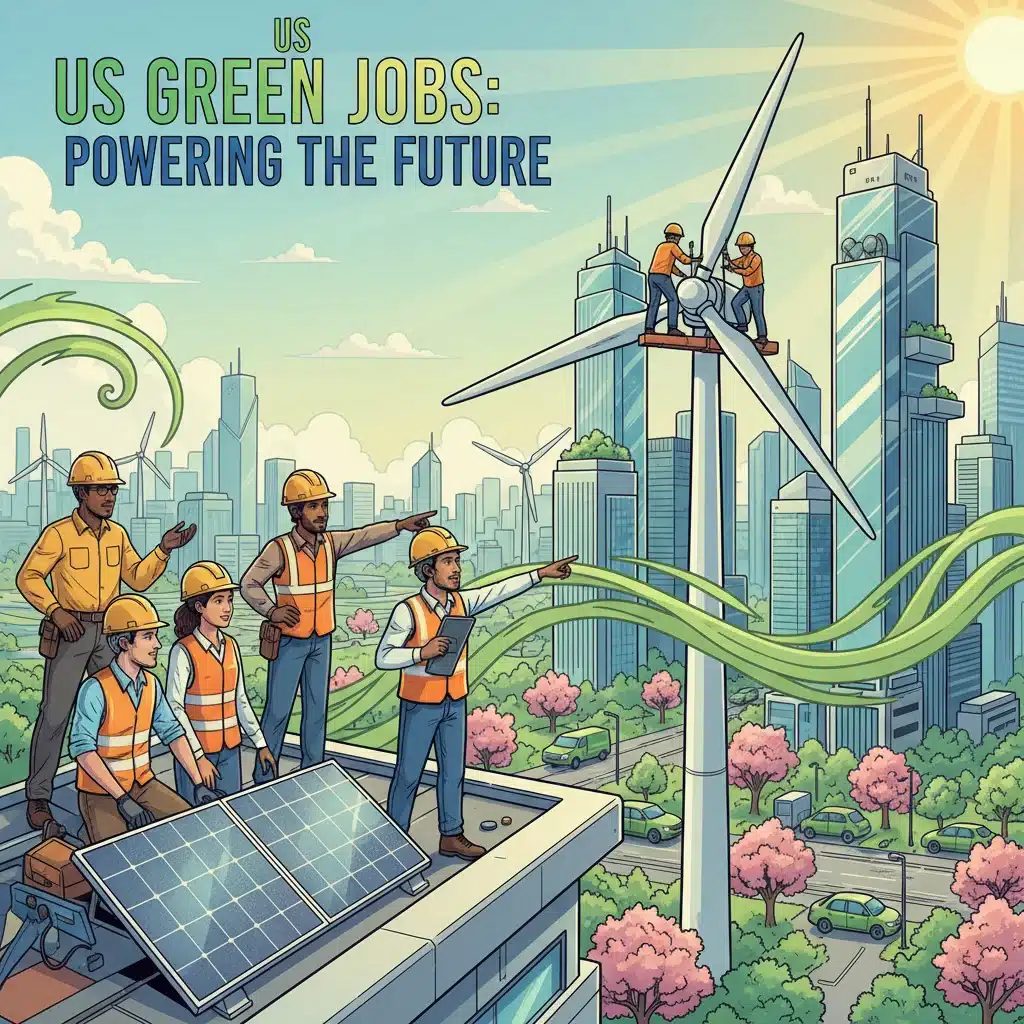
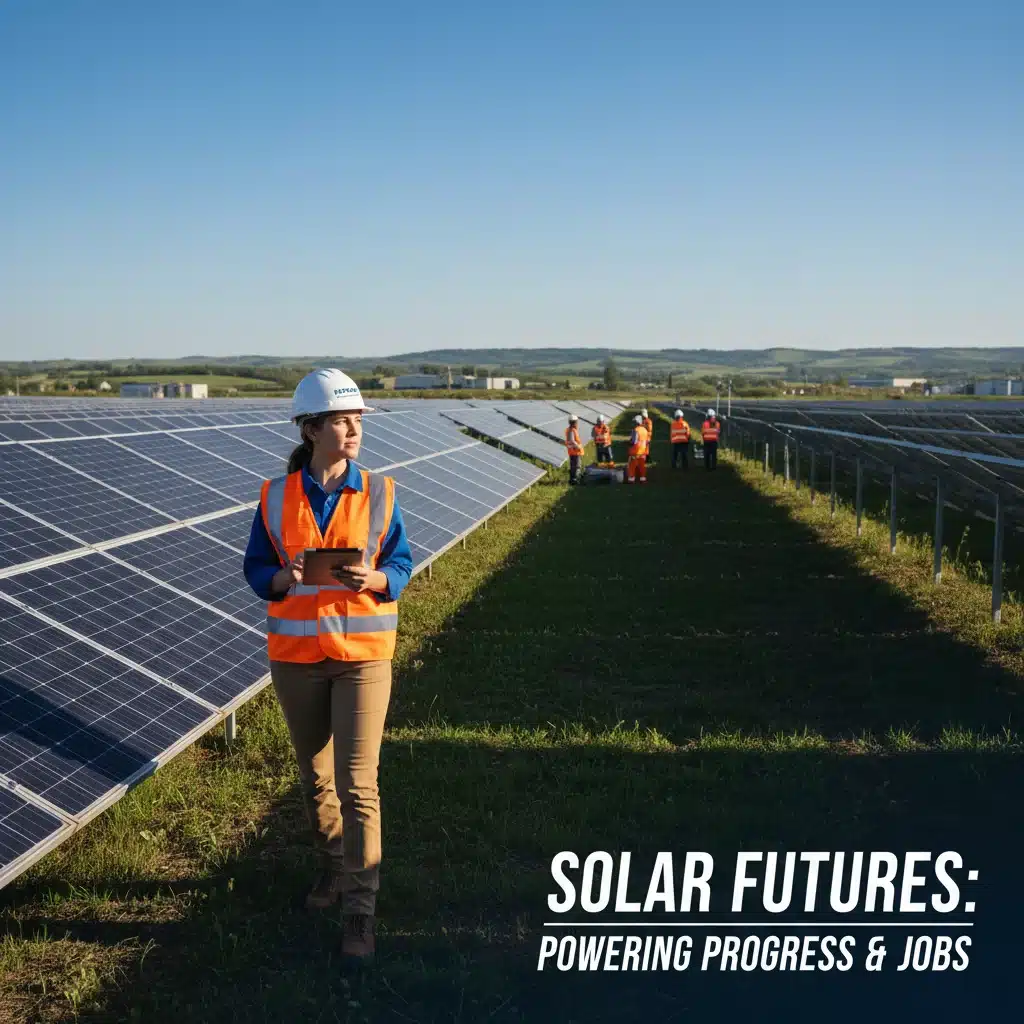
At the forefront of the green economy jobs boom are Renewable Energy Technicians. This category includes solar panel installers, wind turbine technicians, and geothermal plant operators. These professionals are responsible for the installation, maintenance, and repair of the systems that harness clean energy sources. The push for cleaner energy is undeniable, with significant investments being made in solar and wind farms across the country. As traditional fossil fuel sources are phased out, the infrastructure for renewable energy needs to be built and maintained, creating a massive demand for skilled technicians.
The Bureau of Labor Statistics (BLS) consistently projects high growth for these roles. For instance, wind turbine technicians and solar panel installers are among the fastest-growing occupations in the US. Their work is critical to ensuring the efficiency and longevity of renewable energy systems, which directly contributes to reducing carbon emissions and achieving energy independence. Training programs, vocational schools, and community colleges are increasingly offering specialized courses to prepare individuals for these hands-on roles. A strong understanding of electrical systems, mechanical components, and safety protocols is essential. As the capacity for renewable energy generation continues to expand, so too will the opportunities for these vital green economy jobs.
2. Environmental Scientists and Specialists: Analyzing and Advising
Environmental Scientists and Specialists play a crucial role in understanding and addressing environmental problems. These professionals conduct research, collect data, and develop solutions to issues such as pollution, climate change, and resource depletion. Their expertise is vital for government agencies, consulting firms, and private industries that need to comply with environmental regulations, assess environmental impacts, and implement sustainable practices. With increasingly complex environmental challenges, the demand for their analytical skills and scientific knowledge is escalating, making these some of the most impactful green economy jobs available.
These roles often require a bachelor’s or master’s degree in environmental science, biology, chemistry, geology, or a related field. Specialists might focus on areas like soil and water quality, air pollution, waste management, or ecological restoration. They might work in laboratories, in the field collecting samples, or in offices analyzing data and writing reports. As businesses face stricter environmental regulations and strive for greater sustainability, the need for experts who can guide these efforts will only grow. Their contributions are fundamental to shaping policy, developing sustainable technologies, and ensuring responsible resource management, cementing their place as key players in the expansion of green economy jobs.
3. Sustainability Consultants: Guiding Businesses Towards a Greener Future
As more companies recognize the importance of sustainability, the role of Sustainability Consultants has become indispensable. These professionals advise organizations on how to operate in a more environmentally friendly and socially responsible manner. This can involve everything from developing sustainable supply chains and reducing carbon footprints to implementing waste reduction programs and achieving environmental certifications. Their work helps businesses improve their public image, comply with regulations, and often, save money through increased efficiency. The strategic importance of these roles is driving their rapid growth within the sphere of green economy jobs.
Sustainability consultants typically possess a strong understanding of environmental science, business operations, and relevant regulations. They often have backgrounds in engineering, business, environmental policy, or a related field. The ability to analyze complex data, communicate effectively with stakeholders, and develop practical, actionable strategies is paramount. As companies increasingly integrate sustainability into their core business models, the demand for expert guidance will continue to surge. This makes sustainability consulting a highly attractive and influential career path for those looking to drive systemic change and contribute significantly to the proliferation of green economy jobs.
4. Green Building and Construction Managers: Building a Sustainable Infrastructure
The construction industry is undergoing a significant transformation, with a growing emphasis on green building practices. Green Building and Construction Managers oversee projects that prioritize energy efficiency, sustainable materials, and reduced environmental impact. This includes everything from designing LEED-certified buildings to managing the construction of eco-friendly infrastructure. As cities and states adopt stricter building codes and incentives for sustainable construction, the demand for professionals with expertise in this area is skyrocketing, placing them squarely among the most sought-after green economy jobs.
These managers need a strong background in construction management, coupled with specialized knowledge of sustainable building techniques, materials, and certifications. They are responsible for ensuring projects meet environmental standards, managing budgets, coordinating teams, and adhering to timelines. The focus isn’t just on new builds but also on retrofitting existing structures to improve their energy performance. As the infrastructure of the United States continues to evolve, the principles of sustainability will be at its core, ensuring a steady and increasing demand for skilled Green Building and Construction Managers. This field offers a tangible way to contribute to a greener future through the built environment, making it a cornerstone of green economy jobs.
5. Hydrologists and Water Resource Managers: Protecting Our Most Precious Resource
Water is a critical resource, and managing it sustainably is paramount, especially with increasing concerns about climate change and population growth. Hydrologists and Water Resource Managers study the movement, distribution, and quality of water. They work to address issues such as drought, flooding, water pollution, and the sustainable allocation of water resources. Their expertise is essential for municipal water systems, agricultural planning, environmental protection agencies, and engineering firms. The increasing scarcity and importance of clean water are driving significant growth in these specialized green economy jobs.
These roles typically require a bachelor’s or master’s degree in hydrology, geology, environmental engineering, or a related field. Professionals in this area might conduct field studies, develop computer models to predict water flow, design water treatment systems, or advise on water conservation policies. As communities face more extreme weather events and increased pressure on water supplies, the need for skilled hydrologists and water resource managers will continue to expand. Their work is fundamental to ensuring access to clean, safe water for future generations, making these some of the most vital green economy jobs for environmental security.
6. Sustainable Agriculture and Food Systems Specialists: Feeding the World Sustainably
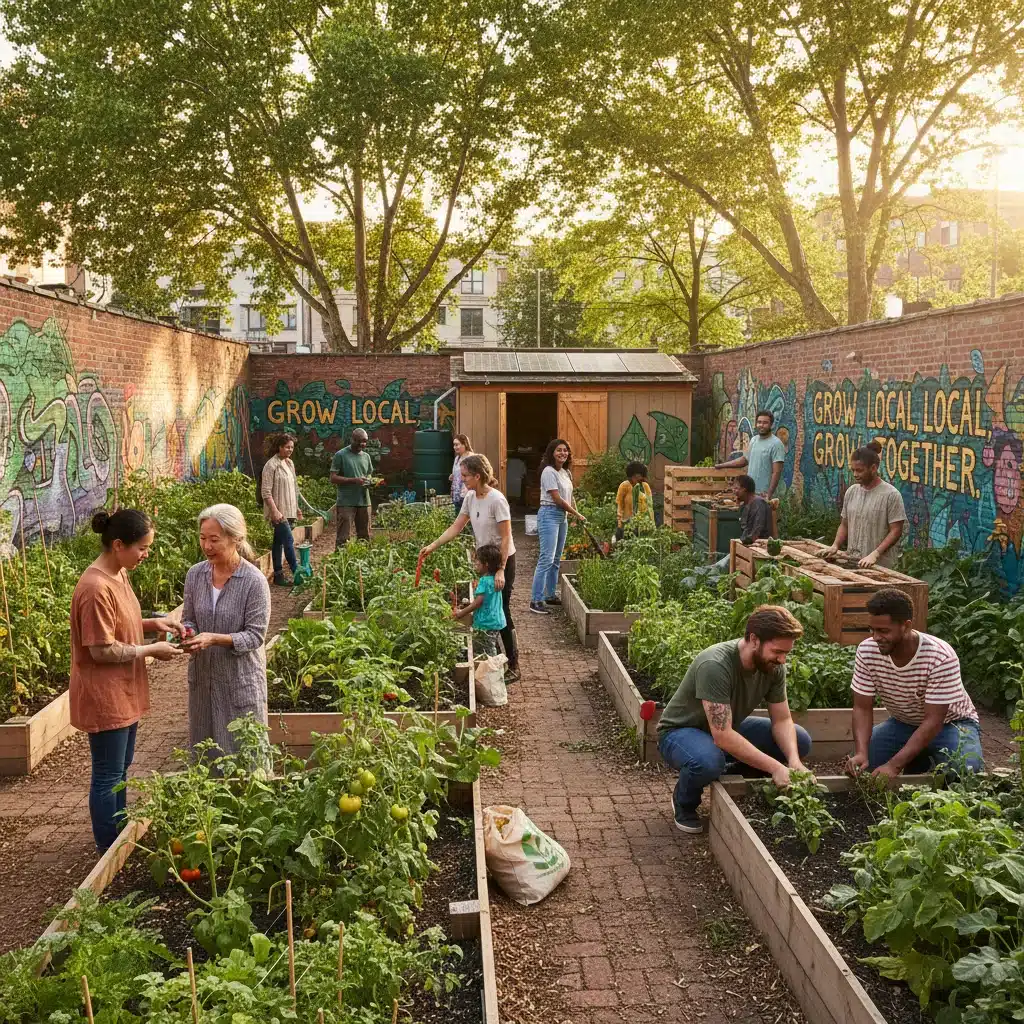
The way we produce and consume food has a profound impact on the environment. Sustainable Agriculture and Food Systems Specialists work to develop and implement farming practices that are environmentally sound, economically viable, and socially just. This can involve promoting organic farming, permaculture, urban agriculture, precision agriculture, and developing resilient food supply chains. As consumers demand more ethically and sustainably produced food, and as climate change impacts traditional farming methods, the need for these specialists is growing rapidly, making them crucial players in the expansion of green economy jobs.
These professionals often have backgrounds in agricultural science, environmental studies, food science, or related fields. They might work as farm managers, agricultural consultants, researchers, or policy advisors. Their responsibilities can include optimizing crop rotation, managing soil health, integrating renewable energy into farm operations, or developing local food distribution networks. The shift towards more sustainable food systems is a global imperative, and the United States is seeing a significant uptake in these practices. This creates a fertile ground for careers dedicated to ensuring food security while minimizing ecological footprints, solidifying their place among impactful green economy jobs.
7. Environmental Education and Outreach Coordinators: Inspiring the Next Generation
For the green economy to truly flourish, public awareness and engagement are paramount. Environmental Education and Outreach Coordinators are vital in this endeavor, working to inform and inspire individuals, communities, and businesses about environmental issues and sustainable practices. They develop educational programs, organize community events, create communication materials, and advocate for environmental protection. Their role is to bridge the gap between scientific knowledge and public action, fostering a culture of sustainability. As the green movement gains momentum, the demand for these educators and communicators is on a steep upward trajectory, making them essential green economy jobs.
These roles often require a background in environmental science, education, communications, or public relations. Strong communication skills, creativity, and a passion for environmental advocacy are key. They might work for non-profit organizations, government agencies, museums, or even corporate sustainability departments. By educating the public and fostering a deeper connection to nature, these coordinators are laying the groundwork for future generations of environmental stewards and consumers who demand sustainable options. Their work is foundational to the long-term success of the green economy, ensuring a continuous supply of informed citizens and a sustained demand for green economy jobs.
The Future is Green: Preparing for These Opportunities
The projected 20% growth in these green economy jobs by mid-2026 is not just a statistic; it’s a clear indicator of a profound shift in the economic landscape. This surge presents both a challenge and an immense opportunity for individuals and institutions alike. For job seekers, it means a chance to enter dynamic fields that offer both professional fulfillment and the satisfaction of contributing to a more sustainable world. For educational institutions, it signals the need to adapt curricula and training programs to meet the evolving demands of the green workforce. The future of employment is undeniably green, and those who prepare now will be best positioned to thrive.
Preparing for these roles often involves a combination of formal education, vocational training, and continuous skill development. Many traditional degrees can be leveraged into green careers with additional certifications or specialized coursework. For example, an engineer might pursue a specialization in renewable energy systems, or a business graduate might focus on sustainable supply chain management. Networking within green industries, attending workshops, and engaging with professional organizations are also excellent ways to gain insights and identify pathways into these burgeoning fields. The diverse nature of green economy jobs means there’s a place for a wide range of talents and expertise.
Conclusion: Embracing the Green Revolution
The rise of the green economy is more than just an environmental movement; it’s a significant economic transformation creating a wealth of new career opportunities across the United States. The seven job categories explored – Renewable Energy Technicians, Environmental Scientists and Specialists, Sustainability Consultants, Green Building and Construction Managers, Hydrologists and Water Resource Managers, Sustainable Agriculture and Food Systems Specialists, and Environmental Education and Outreach Coordinators – represent just a segment of the rapidly expanding landscape of green economy jobs. Each of these roles is critical in building a more sustainable, resilient, and equitable future.
With projections indicating a 20% growth by mid-2026, the time to consider a career in the green economy is now. Whether you’re a student planning your future, a professional looking for a career change, or an employer seeking to understand market trends, the message is clear: the green revolution is here, and it’s creating a vibrant, growing job market. By investing in the necessary skills and education, individuals can not only secure promising careers but also become active participants in solving some of the world’s most pressing environmental challenges. Embrace the green wave, and discover how you can contribute to a sustainable future through meaningful and impactful green economy jobs.