Maximizing Your Retirement Funds: 6 Crucial Steps for 2026 Pension Planning and 401(k) Growth

Maximizing Your Retirement Funds: 6 Crucial Steps for 2026 Pension Planning and 401(k) Growth
The journey to a comfortable retirement is a marathon, not a sprint. It requires foresight, consistent effort, and a keen understanding of the financial landscape. As we approach 2026, the economic environment continues to evolve, presenting both opportunities and challenges for those planning their golden years. Successfully navigating this landscape to maximize your retirement funds means staying informed and proactive. This comprehensive guide outlines six crucial steps for effective Retirement Planning 2026, focusing on pension strategies and 401(k) growth, to help you build a robust financial future.
Many individuals often defer serious retirement planning, viewing it as a distant concern. However, the sooner you begin, the more time your investments have to grow, thanks to the power of compounding. This article will delve into actionable strategies, from understanding inflation’s impact to optimizing your investment portfolio, ensuring your retirement funds are not just growing, but thriving.
Step 1: Reassess Your Retirement Goals and Timeline for 2026
The first and most fundamental step in maximizing your retirement funds is to clearly define or reassess your retirement goals. What does your ideal retirement look like? Do you envision extensive travel, pursuing hobbies, spending more time with family, or perhaps even starting a second career? Your vision will significantly influence the financial resources you’ll need. It’s not enough to simply say you want to retire; you need a concrete picture of what that retirement entails.
Consider your desired retirement age. While 65 has long been the traditional benchmark, many are opting for earlier or later retirements based on personal circumstances and financial readiness. The earlier you plan to retire, the more aggressively you may need to save and invest. Conversely, if you anticipate working longer, you have more time to accumulate wealth, but you also need to ensure your health and career trajectory support this decision.
Inflation is another critical factor to consider when setting your retirement goals. The purchasing power of money diminishes over time. A comfortable lifestyle today might require significantly more capital in 10, 20, or 30 years. When calculating your retirement needs, factor in an estimated annual inflation rate (e.g., 2-3%) to ensure your projected savings will genuinely support your future expenses. Tools like online retirement calculators can be invaluable here, allowing you to input various scenarios and see how different assumptions impact your required savings.
Furthermore, consider potential healthcare costs. These can be substantial in retirement and are often underestimated. Research Medicare options, supplemental insurance, and long-term care insurance to get a realistic understanding of these future expenditures. Integrating these costs into your overall financial plan is crucial for truly maximizing your retirement funds.
Finally, your lifestyle expectations play a huge role. Do you plan to downsize, relocate to a lower cost-of-living area, or maintain your current standard of living? Be honest with yourself about your spending habits and project how they might change in retirement. A detailed budget of your expected retirement expenses will serve as the bedrock of your Retirement Planning 2026 strategy.
Step 2: Optimize Your 401(k) Contributions and Investment Strategy
For many, the 401(k) is the cornerstone of their retirement savings. Maximizing this powerful tool is paramount. The first rule of thumb is to contribute at least enough to receive your employer’s full matching contribution. This is essentially free money, and failing to take advantage of it means leaving significant growth potential on the table.
Beyond the match, aim to contribute as much as you can, ideally up to the annual IRS limits. For 2026, these limits will likely see an increase from previous years to account for inflation, so stay updated on the latest figures. If you’re over 50, remember to utilize catch-up contributions, which allow you to contribute an additional amount above the standard limit.
However, simply contributing isn’t enough; your 401(k) investment strategy is equally vital. Review the investment options available within your plan. Many 401(k)s offer a range of mutual funds, index funds, and target-date funds. Target-date funds are a popular choice as they automatically adjust their asset allocation to become more conservative as you approach retirement. While convenient, it’s essential to understand their underlying holdings and expense ratios.
For those comfortable with a more hands-on approach, consider a diversified portfolio that aligns with your risk tolerance and time horizon. A common strategy is to allocate a higher percentage to equities (stocks) when you’re younger, as they offer greater growth potential, and gradually shift towards more conservative assets like bonds as retirement approaches. Regularly rebalancing your portfolio (e.g., annually) ensures that your asset allocation remains aligned with your goals and risk tolerance. Pay close attention to expense ratios, which are the annual fees charged by investment funds. High expense ratios can significantly erode your returns over time, so opt for low-cost index funds or ETFs where available.
Finally, understand the difference between traditional and Roth 401(k) options, if your plan offers both. Traditional 401(k) contributions are pre-tax, meaning you get a tax deduction now, but withdrawals in retirement are taxed. Roth 401(k) contributions are after-tax, but qualified withdrawals in retirement are tax-free. The choice often depends on whether you expect to be in a higher tax bracket now or in retirement. This strategic decision can significantly impact your net retirement income and is a key aspect of effective Retirement Planning 2026.
Step 3: Evaluate and Strengthen Your Pension Plan (If Applicable)
While 401(k)s have largely replaced traditional pension plans for many, those fortunate enough to have a defined-benefit pension should understand its intricacies and how it integrates into their overall retirement strategy. Unlike 401(k)s, where you bear the investment risk, a pension plan guarantees a specific income stream in retirement, typically based on your years of service and salary.
The first step is to thoroughly understand your pension plan’s rules. What are the eligibility requirements? How is your benefit calculated? What are the payout options (e.g., single life annuity, joint and survivor annuity)? What are the implications of taking early retirement versus waiting until your full retirement age? These details are crucial for making informed decisions.
Many pension plans offer a lump-sum payout option instead of monthly annuity payments. This can be tempting, but it requires careful consideration. A lump sum gives you control over the money, but it also means you’re responsible for investing it wisely and ensuring it lasts throughout your retirement. An annuity, on the other hand, provides a guaranteed income stream for life, removing the investment risk from your shoulders. Consult with a financial advisor to determine which option best suits your financial situation, risk tolerance, and longevity expectations.

Furthermore, understand the financial health of your pension plan. While defined-benefit plans are generally secure, some may face funding challenges. Your plan administrator should provide annual statements detailing the plan’s status. Organizations like the Pension Benefit Guaranty Corporation (PBGC) insure many private-sector pension plans, offering a safety net in case of plan failure. Knowing your coverage limits is important.
If you’ve changed jobs multiple times, you might have vested benefits in multiple pension plans. Track these down and understand how they will contribute to your overall retirement income. Consolidating information from various sources is a vital part of comprehensive Retirement Planning 2026.
For those without a traditional pension, consider creating your own ‘personal pension’ through strategies like investing in dividend-paying stocks, real estate for rental income, or purchasing an immediate annuity. While not identical, these can provide supplementary income streams in retirement, diversifying your reliance on 401(k)s and Social Security.
Step 4: Explore and Utilize Other Retirement Savings Vehicles
While 401(k)s are powerful, they shouldn’t be your only retirement savings tool. Diversifying your savings across various accounts can offer tax advantages, greater investment flexibility, and additional growth opportunities. This multi-faceted approach is key to truly maximizing your retirement funds.
Individual Retirement Accounts (IRAs)
Traditional and Roth IRAs are excellent supplements to a 401(k). If you’re eligible, you can contribute to both. IRAs often offer a wider range of investment options compared to many 401(k)s, giving you more control over your portfolio. The choice between a Traditional and Roth IRA again depends on your current and projected future tax brackets. Even if you contribute to a 401(k), you might still be able to deduct Traditional IRA contributions, depending on your income level. Roth IRAs offer tax-free growth and withdrawals in retirement, making them highly attractive for those who anticipate being in a higher tax bracket later in life.
Health Savings Accounts (HSAs)
Often referred to as a ‘triple-tax advantaged’ account, an HSA is an incredibly powerful, yet often underutilized, retirement savings vehicle for those with high-deductible health plans (HDHPs). Contributions are tax-deductible, earnings grow tax-free, and withdrawals for qualified medical expenses are tax-free. If you don’t use the funds for medical expenses, after age 65, they can be withdrawn for any purpose and are taxed like a traditional IRA. This makes HSAs a fantastic way to save for future healthcare costs, which are a significant concern in retirement, while also providing a flexible emergency fund or supplementary retirement income source. Maxing out your HSA contributions annually should be a priority if you’re eligible.
Brokerage Accounts
For those who have maxed out their tax-advantaged retirement accounts, a taxable brokerage account can be a valuable addition. While contributions are not tax-deductible and earnings are subject to capital gains tax, these accounts offer complete liquidity and no withdrawal restrictions, making them ideal for bridging the gap before you can access your 401(k) or IRA funds without penalty. They also provide unlimited contribution potential and a vast array of investment choices. Strategic use of capital gains harvesting and tax-loss harvesting can help mitigate the tax burden.
Real Estate and Other Investments
Consider diversifying into other asset classes. Real estate, for instance, can provide rental income and potential appreciation, serving as another income stream in retirement. Other investments might include peer-to-peer lending, alternative investments (for accredited investors), or even starting a small business that can generate passive income. Each of these requires careful research and understanding of associated risks, but they can play a role in a well-rounded Retirement Planning 2026 strategy.
Step 5: Proactively Manage Debt and Create a Robust Budget
Debt is one of the biggest impediments to maximizing your retirement funds. High-interest debt, such as credit card balances or personal loans, can quickly erode your savings potential. Prioritizing debt reduction, especially high-interest debt, should be a critical component of your Retirement Planning 2026 strategy.
Start by creating a detailed budget. Track all your income and expenses for a few months to get a clear picture of where your money is going. Identify areas where you can cut back to free up more funds for debt repayment and retirement savings. Consider using budgeting apps or spreadsheets to simplify this process.
Once you have a clear understanding of your cash flow, develop a debt repayment plan. The ‘debt snowball’ method (paying off the smallest debts first for motivational wins) or the ‘debt avalanche’ method (paying off highest-interest debts first to save the most money) are popular strategies. Whichever method you choose, consistency is key. Aim to be debt-free, especially from consumer debt, before you enter retirement. Mortgage debt is often viewed differently; some prefer to pay it off, while others are comfortable carrying it into retirement if the interest rate is low and they have sufficient income.
A robust budget isn’t just about cutting expenses; it’s also about strategic allocation. Allocate a specific portion of your income to retirement savings and treat it as a non-negotiable expense, just like rent or utilities. Automating your savings contributions can help ensure consistency and remove the temptation to spend the money elsewhere.
Regularly review and adjust your budget. Life circumstances change, and your budget should adapt accordingly. This proactive management of your finances ensures that you’re continually optimizing your resources for retirement. Remember, every dollar saved from debt interest or unnecessary spending is a dollar that can work for you in your retirement accounts, accelerating your path to financial independence.
Step 6: Seek Professional Financial Advice and Stay Informed
The world of finance is complex and constantly changing. While this guide provides a strong foundation for Retirement Planning 2026, seeking professional financial advice can provide tailored strategies and insights specific to your unique situation. A qualified financial advisor can help you navigate complex investment decisions, optimize your tax strategy, and ensure your plan is on track.
When choosing a financial advisor, look for a Certified Financial Planner (CFP) or a fee-only advisor. Fee-only advisors are compensated directly by you, reducing potential conflicts of interest that might arise from commission-based advisors who earn money from selling specific products. A good advisor will take the time to understand your goals, risk tolerance, and current financial situation before recommending any strategies.
They can assist with:
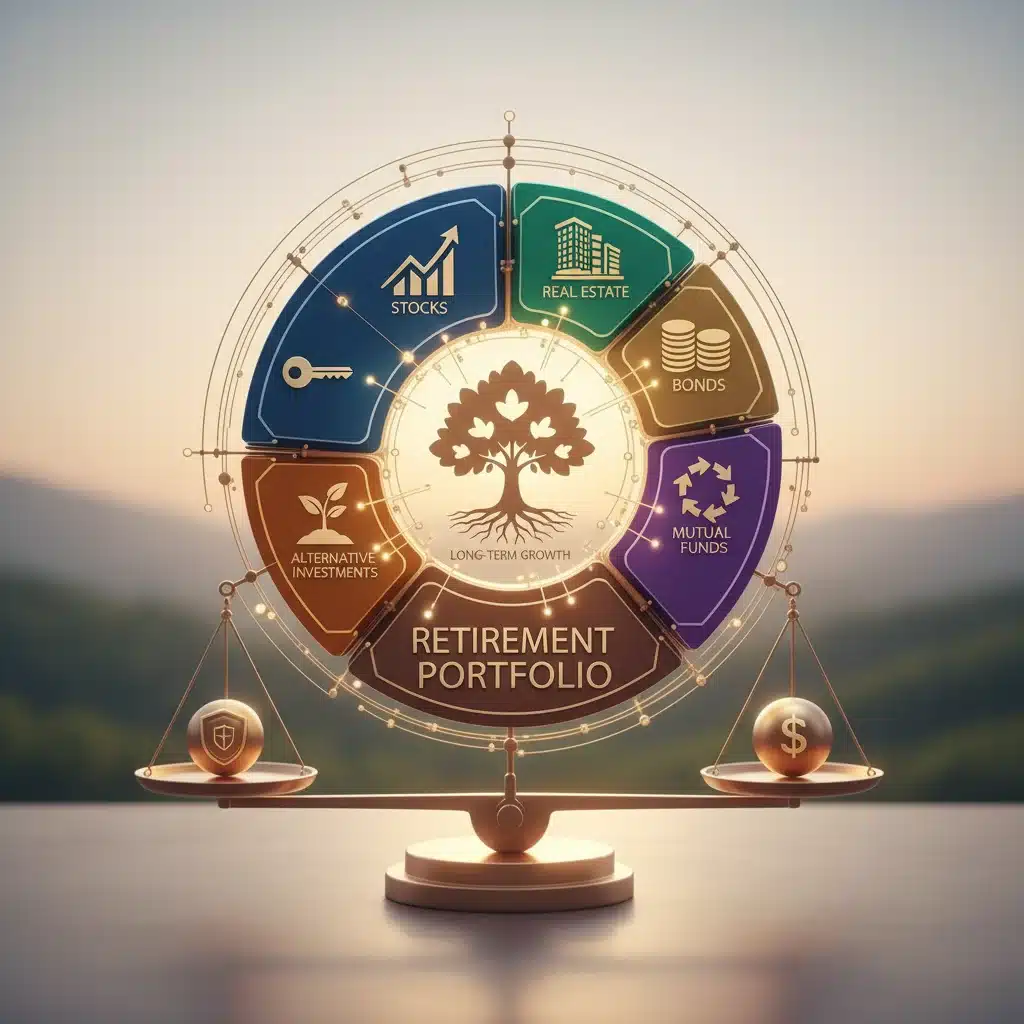
- Investment Portfolio Construction: Helping you build a diversified portfolio that aligns with your risk profile and retirement timeline.
- Tax-Efficient Strategies: Advising on the best ways to minimize taxes on your investments and withdrawals in retirement. This includes strategies like tax-loss harvesting, Roth conversions, and optimizing the order of account withdrawals.
- Estate Planning: Ensuring your assets are distributed according to your wishes and minimizing estate taxes. This often involves wills, trusts, and beneficiary designations.
- Insurance Needs: Assessing your need for life insurance, long-term care insurance, and disability insurance to protect your assets and your family.
- Social Security Optimization: Helping you decide the optimal time to claim Social Security benefits to maximize your lifetime income.
- Pension Payout Analysis: Assisting in evaluating lump-sum vs. annuity options for pension plans.
Beyond professional advice, it’s crucial to stay informed yourself. Read reputable financial news sources, follow economic trends, and understand how global events might impact your investments. Attend webinars or seminars on retirement planning. The more knowledgeable you are, the better equipped you’ll be to make sound financial decisions and collaborate effectively with your advisor.
Regularly review your retirement plan, ideally annually or whenever significant life events occur (e.g., marriage, birth of a child, job change, inheritance). This ensures your plan remains relevant and on track to meet your evolving goals. Adaptability is key in long-term financial planning.
Conclusion: Your Path to a Secure Retirement in 2026 and Beyond
Maximizing your retirement funds is an ongoing process that demands attention, discipline, and strategic planning. By diligently following these six crucial steps – reassessing your goals, optimizing your 401(k), understanding your pension, utilizing other savings vehicles, proactively managing debt, and seeking professional guidance – you can significantly enhance your financial security for 2026 and well into your retirement years.
Remember that time is your greatest asset when it comes to saving for retirement. The earlier you start and the more consistently you contribute, the greater the power of compounding will work in your favor. Don’t be intimidated by the scale of the task; break it down into manageable steps, celebrate your progress, and stay committed to your vision of a comfortable and fulfilling retirement.
Begin implementing these strategies today. Review your current financial standing, make those crucial adjustments to your contributions, explore new investment avenues, and don’t hesitate to consult with a financial expert. Your future self will thank you for the foresight and effort you put into your Retirement Planning 2026 now. A secure and prosperous retirement is not just a dream; it’s an achievable goal with the right approach.