Inside Look: How US Universities Are Adapting to the Digital Learning Landscape in 2026
The landscape of higher education is in a perpetual state of flux, but few periods have seen as rapid and profound a transformation as the current era. As we move closer to 2026, US universities are not merely reacting to change; they are proactively shaping the future of education, with a strong emphasis on digital learning. This shift is more than just a temporary pivot; it represents a fundamental re-evaluation of how knowledge is imparted, consumed, and assessed. The integration of technology is no longer an option but a core component of institutional strategy, aiming to enhance accessibility, personalize learning, and prepare students for an increasingly digital world. Understanding this evolution of digital learning university models is crucial for students, educators, and policymakers alike.
The journey towards a fully integrated digital learning environment is multifaceted, encompassing technological infrastructure, pedagogical innovation, faculty development, and student support systems. Universities are investing heavily in robust digital platforms, exploring cutting-edge educational technologies, and reimagining traditional classroom experiences. The goal is to create a dynamic, engaging, and effective learning ecosystem that can serve a diverse student body, transcend geographical boundaries, and adapt to future challenges. This article will delve into the specific strategies and trends that define how US universities are adapting to the digital learning landscape, providing an inside look at the innovations set to define higher education in 2026 and beyond.
The Evolution of Digital Learning University Models: A Historical Perspective
To truly appreciate the current state of digital learning in US universities, it’s helpful to glance back at its trajectory. What began as rudimentary online courses in the late 20th century, often viewed as supplementary or second-tier, has blossomed into sophisticated, immersive, and often preferred modes of instruction. Early digital learning efforts were largely characterized by asynchronous text-based forums and static content delivery. The advent of broadband internet, coupled with advancements in learning management systems (LMS) like Blackboard and Canvas, marked the first significant leap, enabling richer multimedia content and more interactive discussions.
The early 2010s saw the rise of Massive Open Online Courses (MOOCs), which, while not always integrated into mainstream university curricula, demonstrated the immense potential for scalable digital education. This period also highlighted the challenges of engagement and completion rates in purely online formats. The real catalyst for widespread adoption and innovation, however, came with the global events of the early 2020s. Universities were compelled to transition almost overnight to remote instruction, accelerating technological adoption and forcing a rapid re-evaluation of pedagogical approaches. This forced experiment, while challenging, unveiled the resilience of digital learning and its capacity to sustain educational continuity.
By 2026, the lessons learned from these rapid transitions have been codified into more deliberate, strategic approaches. Universities are now moving beyond mere replication of in-person classes online, towards designing experiences specifically optimized for digital and hybrid environments. This includes a greater emphasis on synchronous online engagement, blended learning models, and the strategic use of data to inform instructional design. The focus has shifted from simply delivering content digitally to fostering genuine connection, collaboration, and critical thinking within a virtual or mixed-reality space. The digital learning university of today is a far cry from its predecessors, representing a matured and integrated approach to education.
Technological Pillars: Powering the Digital Learning University
At the heart of every successful digital learning initiative lies a robust technological infrastructure. US universities are making significant investments in a suite of technologies designed to support and enhance the online and hybrid learning experience. These pillars range from foundational platforms to cutting-edge tools that promise to revolutionize how students learn and interact.
Advanced Learning Management Systems (LMS)
Modern LMS platforms are no longer just content repositories. By 2026, they are sophisticated hubs for collaboration, assessment, and communication. Universities are leveraging advanced features such as integrated video conferencing, peer-review tools, AI-powered grading assistance, and comprehensive analytics dashboards. These systems are designed to be intuitive for both faculty and students, providing a seamless experience across devices and learning modalities. Customization and integration capabilities are key, allowing institutions to tailor the LMS to their unique pedagogical needs and integrate with other essential academic software.
Immersive Technologies: VR, AR, and Metaverse
Beyond traditional screens, virtual reality (VR) and augmented reality (AR) are beginning to carve out significant niches in digital learning. Medical schools are using VR for surgical simulations, engineering programs for virtual lab experiments, and humanities courses for immersive historical explorations. The concept of the educational metaverse, while still nascent, is also gaining traction, promising persistent virtual spaces where students and faculty can interact, collaborate, and learn in highly engaging 3D environments. These technologies offer unparalleled opportunities for experiential learning, allowing students to “do” rather than just “see” or “read,” making complex concepts tangible and accessible.
Artificial Intelligence and Machine Learning
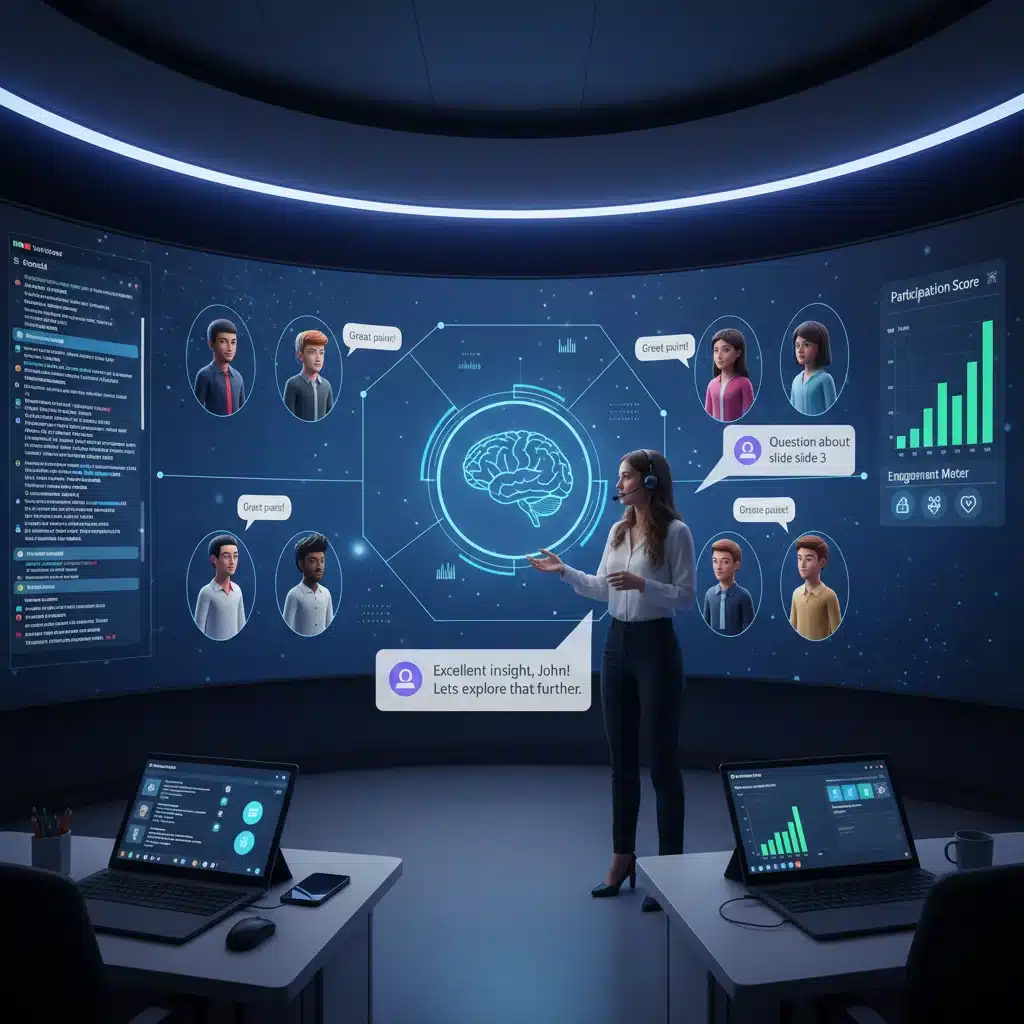
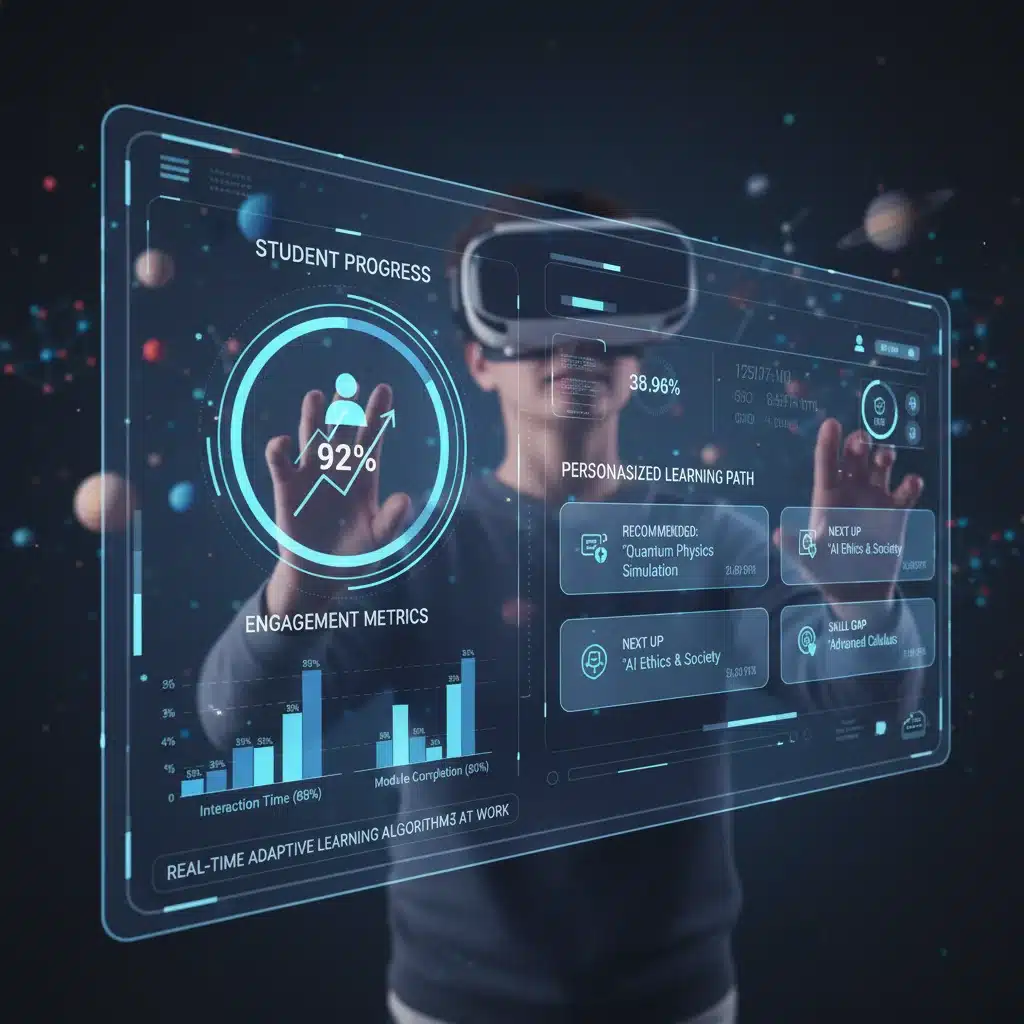
AI is rapidly becoming an indispensable tool in the digital learning university. From personalized learning pathways that adapt to individual student paces and preferences, to intelligent tutoring systems that provide immediate feedback, AI is transforming instruction. Chatbots are being deployed for 24/7 student support, answering FAQs and guiding students through administrative processes. Furthermore, AI-powered analytics are helping faculty identify at-risk students, understand engagement patterns, and refine their teaching strategies, leading to more effective and equitable learning outcomes.
Pedagogical Innovation: Redefining Teaching and Learning
Technology alone is not enough; its effective application requires a parallel evolution in teaching methodologies. US universities are investing heavily in pedagogical innovation, moving away from traditional lecture-centric models towards more active, student-centered approaches that thrive in digital and hybrid settings.
Hybrid and Blended Learning Models
The “new normal” often involves a blend of in-person and online components. Hybrid models strategically combine synchronous online sessions with face-to-face interactions, while blended learning integrates online materials and activities into traditional classroom settings. These models offer flexibility, cater to different learning styles, and allow for more efficient use of both physical and digital resources. Universities are meticulously designing these programs to maximize the benefits of each modality, ensuring that online components are not simply supplementary but integral to the overall learning experience.
Active Learning and Gamification
Engaging students in digital environments requires creative strategies. Active learning techniques, such as problem-based learning, case studies, and collaborative projects, are being adapted for online spaces. Gamification – incorporating game-like elements such as points, badges, and leaderboards – is proving effective in increasing motivation and participation. These approaches transform passive consumption of information into active construction of knowledge, fostering deeper understanding and critical thinking skills.
Micro-credentials and Competency-Based Education
The traditional degree model is being complemented by more flexible and modular approaches. Micro-credentials and digital badges allow students to earn recognition for specific skills and competencies, often in shorter, more focused courses. Competency-based education (CBE) focuses on mastery of specific learning outcomes rather than seat time, allowing students to progress at their own pace. These models are particularly well-suited for digital delivery, offering flexibility for working professionals and those seeking targeted skill development, further solidifying the role of the digital learning university in lifelong education.
Enhancing the Student Experience in a Digital World
Beyond academics, universities are recognizing the critical importance of a holistic student experience, even when much of the interaction occurs digitally. This involves providing robust support systems and fostering a sense of community.
Personalized Support and Advising
Digital tools are enabling more personalized student support. AI-powered advising systems can help students plan their academic paths, track progress, and recommend relevant resources. Virtual office hours, online tutoring, and mental health support services are becoming standard offerings, ensuring that students have access to the help they need, regardless of their location or schedule. The goal is to replicate and even enhance the personalized attention traditionally associated with in-person education.
Building Online Communities
One of the biggest challenges in digital learning can be fostering a sense of belonging. Universities are employing various strategies to build vibrant online communities. This includes dedicated social platforms, virtual student organizations, online mentorship programs, and collaborative project spaces. Faculty are also being trained to facilitate engaging online discussions and create opportunities for peer-to-peer interaction, ensuring that students feel connected to their classmates and the broader university community.
Digital Equity and Accessibility
Ensuring equitable access to digital learning is paramount. Universities are addressing the digital divide by providing resources such as loaner devices, internet hotspots, and support for students in remote areas. Furthermore, accessibility is a core design principle, with efforts to ensure all digital content and platforms are compliant with accessibility standards, catering to students with diverse needs and abilities. This commitment to digital equity is a defining characteristic of the modern digital learning university.
Faculty Development: Empowering Educators for the Digital Age
The success of any digital learning initiative ultimately rests on the capabilities of its educators. US universities are investing heavily in comprehensive faculty development programs to equip instructors with the skills and confidence needed to excel in digital and hybrid environments.
Instructional Design and Technology Training
Faculty are receiving extensive training in instructional design principles tailored for online delivery. This includes learning how to structure engaging online modules, create effective multimedia content, design meaningful online assessments, and leverage the full capabilities of their LMS. Technology training extends to new tools like VR/AR platforms, AI assistants, and advanced data analytics dashboards, ensuring faculty can integrate these innovations seamlessly into their teaching practices.
Pedagogical Best Practices for Digital Environments
Beyond technical skills, faculty development focuses on adapting pedagogical best practices for digital spaces. This includes strategies for facilitating dynamic online discussions, promoting collaborative learning in virtual teams, providing constructive digital feedback, and managing diverse student needs in a hybrid classroom. Emphasis is placed on creating inclusive and engaging learning experiences that transcend the limitations of physical distance.
Support and Community for Faculty
Recognizing that the transition to digital learning can be demanding, universities are also building support networks for faculty. This includes dedicated instructional support teams, peer mentoring programs, and communities of practice where educators can share experiences, best practices, and innovative solutions. This collaborative environment fosters continuous improvement and helps faculty feel supported and empowered in their digital teaching journey.
Challenges and Opportunities for the Digital Learning University
While the advancements in digital learning are remarkable, the path forward is not without its challenges. Universities must continuously address issues related to technology access, student engagement, faculty workload, and the ever-evolving nature of digital security. Maintaining academic integrity in online assessments remains a significant concern, prompting the development of sophisticated proctoring tools and alternative assessment methods.
However, these challenges are matched by immense opportunities. Digital learning expands access to education for underserved populations, facilitates global collaboration, and allows for the continuous updating of curricula to meet the demands of a rapidly changing job market. It also offers unprecedented opportunities for data-driven insights into learning processes, enabling universities to refine their educational offerings with greater precision and effectiveness. The flexibility inherent in digital models also allows institutions to respond more agilely to future disruptions, ensuring continuity and resilience.
The Future Landscape: Beyond 2026
Looking beyond 2026, the trajectory of digital learning in US universities points towards even greater integration and innovation. We can anticipate further advancements in adaptive learning technologies, where AI systems can dynamically adjust content and activities based on individual student performance and learning styles. The educational metaverse is likely to become more sophisticated, offering truly immersive and persistent learning environments that blur the lines between physical and virtual presence.
Furthermore, the emphasis on lifelong learning will intensify, with universities offering more modular, stackable credentials that allow individuals to continuously reskill and upskill throughout their careers. Partnerships with industry will deepen, ensuring that digital learning programs are directly aligned with workforce needs. The digital learning university will increasingly serve as a global hub for knowledge creation and dissemination, fostering interdisciplinary collaboration and addressing complex global challenges. The future of higher education is undeniably digital, dynamic, and deeply integrated with the technological advancements of our time.
Conclusion: A New Era for US Higher Education
The adaptations undertaken by US universities in response to the digital learning landscape are profound and far-reaching. By 2026, we are witnessing a higher education system that is more resilient, accessible, and innovative than ever before. The strategic embrace of technology, coupled with a renewed focus on pedagogical excellence and holistic student support, is redefining what it means to learn and teach at the university level. The digital learning university is not just a temporary solution but a fundamental evolution, promising to shape the minds of future generations and contribute to a more skilled and connected global society. This ongoing transformation ensures that US higher education remains at the forefront of innovation, preparing students not just for current challenges but for the unforeseen opportunities of tomorrow.