Maximizing VA Disability Benefits 2026: Insider Tips
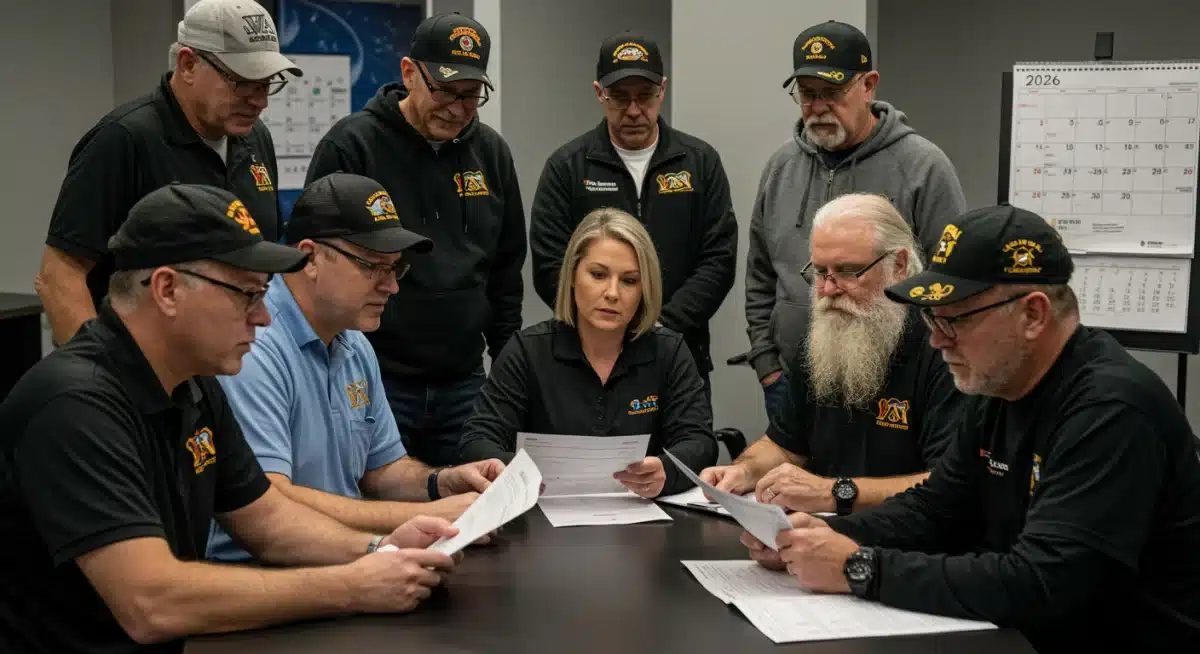
Understanding key strategies like presumptive conditions, secondary claims, effective dates, and meticulous documentation is essential for veterans seeking to maximize their VA disability benefits in 2026.
For many veterans, securing the benefits they rightfully earned through service is a complex but vital endeavor. Navigating the Department of Veterans Affairs (VA) system can be challenging, but with the right knowledge, you can significantly enhance your claim. This article delves into crucial strategies for Maximizing VA Disability Benefits in 2026: 4 Insider Tips for Veterans, offering actionable advice to ensure you receive the compensation and support you deserve.
Understanding Presumptive Conditions for 2026
Presumptive conditions represent a cornerstone of VA disability claims, offering a streamlined path to benefits for certain service-connected ailments. These are specific illnesses or diseases that the VA presumes were caused by military service, especially for veterans who served in particular locations or during specific periods. In 2026, staying informed about these conditions is more important than ever.
The VA periodically updates its list of presumptive conditions based on new scientific evidence and legislative changes. This means that an illness not previously recognized could become presumptive, significantly easing the burden of proof for veterans. It’s crucial to regularly check official VA announcements and legal updates.
Key Presumptive Categories
Several categories of presumptive conditions exist, each with specific criteria. Understanding which category your condition might fall under can guide your claim process. This knowledge can save considerable time and effort in gathering evidence.
- Agent Orange Exposure: Veterans who served in specific areas during the Vietnam era are often presumed to have certain diseases due to Agent Orange exposure.
- Gulf War Illnesses: Veterans who served in the Southwest Asia theater of military operations during the Gulf War era may be eligible for presumptive service connection for certain chronic disabilities.
- Burn Pit Exposure: The PACT Act of 2022 expanded presumptive conditions related to toxic exposure, including burn pits, for veterans who served in various locations.
- Radiation Exposure: Veterans exposed to radiation during their service may have presumptive conditions for specific cancers and other diseases.
Staying abreast of these categories and any new additions is vital. If your condition aligns with a presumptive category, you generally do not need to provide extensive evidence linking it directly to your service. Instead, you primarily need to prove you meet the service requirements for the presumption and have the diagnosed condition. This simplifies the application process considerably for many veterans.
In conclusion, leveraging presumptive conditions is a powerful strategy for maximizing your VA disability benefits. By understanding the specific criteria and staying informed about updates to the VA’s presumptive list, veterans can significantly expedite and strengthen their claims, ensuring they receive timely and appropriate compensation.
The Power of Secondary Service Connection Claims
Beyond directly service-connected conditions, many veterans overlook the significant potential of secondary service connection claims. A secondary condition is one that is caused or aggravated by an already service-connected disability. This often means that a condition initially deemed unrelated can become compensable if a clear link to a primary service-connected issue is established.
For instance, if a veteran has a service-connected knee injury, and that injury leads to chronic back pain due to altered gait or compensation, the back pain could be claimed as a secondary condition. Similarly, mental health conditions like depression or anxiety can often be secondary to physical disabilities, especially if the physical ailment significantly impacts a veteran’s quality of life or ability to work.
Identifying Potential Secondary Conditions
Proactively identifying potential secondary conditions requires a comprehensive understanding of your health and the interconnectedness of your various ailments. It’s not always immediately obvious how one condition might lead to another, which is why medical advice is crucial.
- Review all medical records: Look for any conditions that developed after your primary service-connected disability was diagnosed.
- Consult with your doctor: Discuss all your symptoms and health issues, and ask if any could logically be linked to your service-connected conditions.
- Consider mental health impacts: Chronic pain or physical limitations frequently lead to mental health issues; these are strong candidates for secondary claims.
- Observe medication side effects: Sometimes, medications prescribed for a service-connected condition can cause other health problems.
Proper medical nexus opinions are paramount for these claims. A medical professional must explicitly state that it is “at least as likely as not” that your secondary condition was caused or aggravated by your service-connected disability. Without this clear medical opinion, the VA is unlikely to grant the claim. Investing in a strong medical opinion can make all the difference in the success of a secondary claim.
In summary, secondary service connection claims offer a critical avenue for veterans to receive additional benefits. By carefully identifying conditions caused or exacerbated by existing service-connected disabilities and securing robust medical evidence, veterans can ensure a more comprehensive and fair disability rating.
Understanding Effective Dates and Maximizing Retroactive Pay
The effective date of your VA disability claim is arguably one of the most critical factors in determining the total amount of compensation you receive. This date dictates when your benefits officially begin, directly impacting any retroactive payments. A difference of even a few months can amount to thousands of dollars in back pay, making it essential to understand how effective dates are established and how to optimize them.
Generally, the effective date is the later of the date the VA received your claim or the date the disability arose. However, there are nuances, especially with intent to file forms. An “intent to file” form protects your effective date, allowing you up to a year to gather evidence and complete your application while preserving the original filing date. This is a critical tool for veterans who need time to compile comprehensive documentation without losing potential retroactive benefits.
Strategies for Securing an Earlier Effective Date
Proactive planning and meticulous record-keeping are key to maximizing your retroactive pay. Missing deadlines or failing to understand the rules around effective dates can lead to significant financial losses over time. Therefore, veterans should be strategic from the very beginning of their claims process.
- File an Intent to File: Always submit an “Intent to File” form as soon as you consider applying for benefits. This locks in your potential effective date.
- Submit Claims Promptly: Once you have an intent to file, ensure you submit your complete application within one year to maintain that earliest possible effective date.
- Understand “Clear and Unmistakable Error” (CUE): If a previous VA decision contained a CUE, correcting it can lead to an earlier effective date and substantial back pay.
- Appeals and Higher-Level Reviews: Timely appeals of unfavorable decisions are crucial. If an appeal is successful, the effective date often reverts to the original claim date.
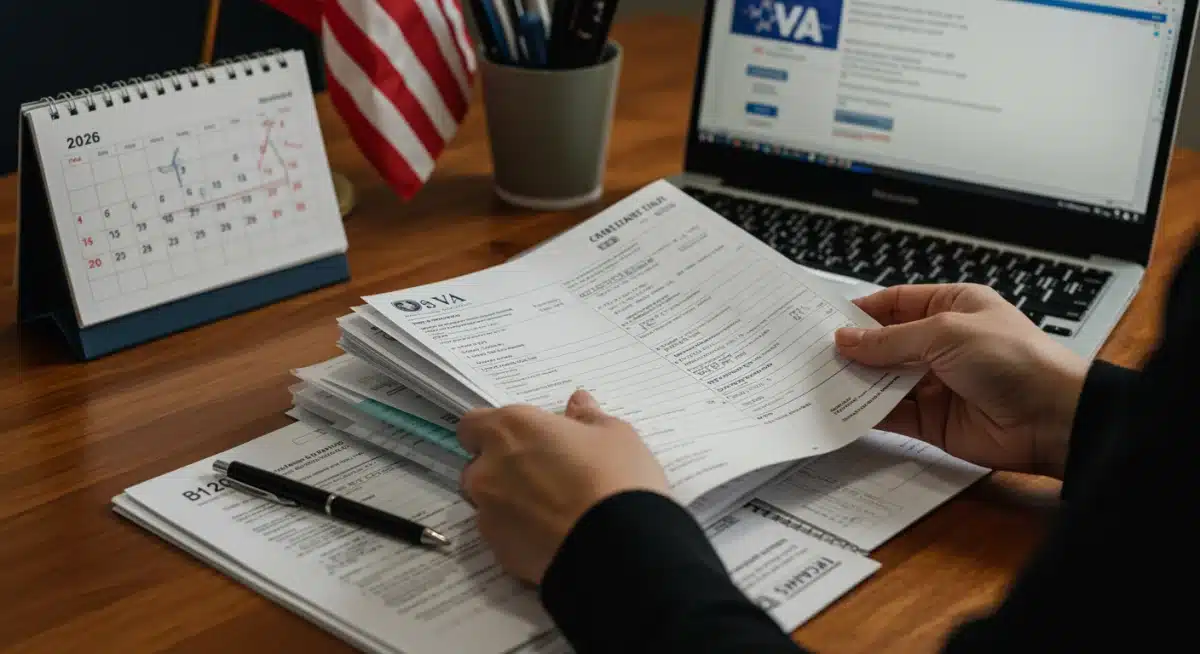
Understanding and strategically managing your effective date is paramount for maximizing your VA disability benefits. By filing an intent to file, submitting claims promptly, and being aware of appeal options, veterans can significantly increase their retroactive compensation and ensure their benefits accurately reflect their service-connected disabilities from the earliest possible point.
The Critical Role of Comprehensive Documentation
In the VA disability claims process, documentation is king. A well-documented claim is the strongest claim, significantly increasing your chances of approval and a fair rating. Insufficient or poorly organized documentation is a primary reason why many claims are denied or receive lower ratings than deserved. This holds true in 2026 as much as it has in previous years, if not more so, with increasing scrutiny on claims.
Comprehensive documentation goes beyond just a diagnosis. It includes service medical records, private medical records, buddy statements, lay statements, and any other evidence that supports the link between your service and your disability. Every piece of paper, every medical report, every personal account contributes to building a compelling case for your benefits. The more evidence you can provide, the clearer the picture the VA can form.
Building a Robust Evidence Portfolio
Creating a thorough evidence portfolio requires diligence and attention to detail. It’s not simply about quantity but about the quality and relevance of the information presented. Each document should serve to strengthen your claim by offering concrete proof or corroborating information.
- Service Medical Records: These are foundational. Ensure all injuries, illnesses, and treatments during service are documented. Request your full service medical record well in advance.
- Current Medical Records: Provide all recent diagnoses, treatment plans, and prognoses from your current healthcare providers. These demonstrate the current severity and impact of your conditions.
- Buddy Statements/Lay Statements: Accounts from fellow service members, friends, or family who witnessed your condition or its onset during service or its effects afterward can provide invaluable corroborating evidence.
- Personal Statements: Your own detailed account of how your disability affects your daily life, work, and relationships is crucial. Be specific about symptoms and limitations.
- Independent Medical Opinions (IMOs): Sometimes, an IMO from a private doctor can offer a strong nexus statement, linking your condition to your service, especially if VA doctors are non-committal.
Organizing this documentation meticulously is also key. Create a clear, chronological file with all relevant papers. This not only makes it easier for the VA to review your claim but also helps you keep track of everything you’ve submitted. A well-presented claim reflects professionalism and thoroughness, which can positively influence the review process.
Ultimately, comprehensive documentation is the backbone of a successful VA disability claim. By diligently gathering, organizing, and presenting all relevant medical and personal evidence, veterans can significantly strengthen their case, leading to a higher chance of approval and a more accurate disability rating in 2026.
Leveraging Professional Assistance and Advocacy
Navigating the VA claims process can be daunting, even with a clear understanding of the tips outlined above. The system is complex, regulations change, and the nuances of presenting a strong case can be overwhelming. This is where professional assistance and advocacy become invaluable. Utilizing accredited representatives, such as Veterans Service Officers (VSOs), claims agents, or attorneys, can significantly improve a veteran’s chances of success.
These professionals are intimately familiar with VA laws, regulations, and procedures. They can help veterans gather necessary documentation, understand medical terminology, craft compelling arguments, and represent them during appeals. Their expertise often translates into higher approval rates and more accurate disability ratings, ensuring veterans receive the maximum benefits they are entitled to without unnecessary delays or denials.
Choosing the Right Advocate for Your Claim
Selecting the appropriate advocate is a critical decision that can profoundly impact your claim’s outcome. Not all representatives offer the same level of service or possess the same expertise. It’s important to research and choose an advocate whose experience aligns with the specifics of your case and who communicates clearly and effectively.
- Veterans Service Organizations (VSOs): Organizations like the American Legion, DAV, VFW, and others offer free assistance from accredited VSOs. They are often the first point of contact for many veterans due to their extensive knowledge and non-profit status.
- Accredited Claims Agents: These are private individuals who are accredited by the VA to assist veterans with their claims. They may charge for their services, typically a percentage of retroactive pay if the claim is successful.
- Accredited Attorneys: For more complex cases or appeals, particularly at higher levels, an attorney specialized in VA law can provide expert legal representation. They also typically work on a contingency fee basis.
- Research and Referrals: Always research potential advocates, read reviews, and seek referrals from other veterans. Ensure they are accredited by the VA.
Working with an experienced professional can alleviate much of the stress associated with filing a claim. They can identify potential pitfalls, ensure all necessary forms are correctly completed, and advocate fiercely on your behalf. This partnership allows veterans to focus on their health and well-being while their claim is expertly managed.
In conclusion, while veterans can certainly file claims independently, leveraging the expertise of accredited professionals is a highly recommended strategy for maximizing VA disability benefits in 2026. These advocates provide invaluable guidance and representation, significantly increasing the likelihood of a successful and favorable outcome for complex claims.
Navigating the Appeals Process Effectively
Even with meticulous preparation and strong evidence, not all initial VA disability claims are approved or rated as favorably as a veteran believes they should be. When this occurs, understanding and effectively navigating the appeals process becomes crucial. The VA offers several avenues for appeal, and knowing which path to take can significantly impact the final outcome of your claim.
The appeals process was reformed under the Appeals Modernization Act (AMA) to provide veterans with more choices and a clearer path forward. These choices include a Higher-Level Review, a Supplemental Claim, or an appeal to the Board of Veterans’ Appeals. Each option has distinct features and requirements, and selecting the right one depends on the specifics of your case and the type of disagreement you have with the VA’s decision.
Key Appeal Lanes and Their Uses
Choosing the correct appeal lane is paramount to avoid delays and maximize your chances of success. Each lane is designed for different scenarios, and understanding their purposes can streamline your appeal and potentially lead to a quicker resolution.
- Higher-Level Review: This option is for veterans who believe the VA made a mistake based on the evidence already submitted. No new evidence can be submitted, and a senior claims adjudicator reviews the decision.
- Supplemental Claim: If you have new and relevant evidence to submit that was not part of your initial claim, this is the appropriate lane. It allows the VA to reconsider your claim with the added information.
- Board of Veterans’ Appeals (BVA): This is the most formal appeal option. You can choose to have a Veterans Law Judge review your case, present new evidence, or even have a hearing. This is typically for complex cases or when other options have been exhausted.
- Timely Filing: Regardless of the appeal lane chosen, adhering to strict deadlines (generally one year from the date of the VA’s decision letter) is critical. Missing these deadlines can jeopardize your ability to appeal.
It’s often advisable to consult with an accredited VSO, claims agent, or attorney before deciding on an appeal lane. Their guidance can help you assess the strengths and weaknesses of your case, identify any new evidence that might be beneficial, and recommend the most strategic path forward. A well-planned appeal can overturn an unfavorable decision and secure the benefits you deserve.
In conclusion, the VA appeals process, while complex, offers critical opportunities for veterans to challenge unfavorable decisions. By understanding the different appeal lanes and making informed choices, ideally with professional assistance, veterans can effectively advocate for their rights and ensure a fair resolution to their disability claims.
Proactive Health Management and Regular Evaluations
Maximizing VA disability benefits in 2026 isn’t just about initial claims or appeals; it’s also about ongoing proactive health management and ensuring your disability ratings accurately reflect your current condition. Disabilities can worsen over time, or new conditions can emerge as secondary to existing service-connected issues. Regular medical evaluations and diligent health management are essential to capture these changes and potentially increase your disability rating.
The VA disability rating system is designed to compensate veterans based on the severity of their service-connected conditions. If your condition deteriorates, or if you develop new symptoms or limitations, your rating may need to be re-evaluated. However, the VA will not automatically do this; it requires proactive engagement from the veteran. Regular doctor visits and maintaining a comprehensive record of your health are therefore critical components of this strategy.
Strategies for Ongoing Rating Increases
Veterans should treat their health management as an ongoing process directly linked to their benefits. It’s not a one-time event but a continuous effort to ensure your health status is accurately reflected in your VA disability rating. This involves both medical care and strategic documentation.
- Regular Medical Appointments: Consistently attend appointments with your primary care physician and specialists. Ensure all symptoms, treatments, and their effectiveness are thoroughly documented in your medical records.
- Document Worsening Conditions: If a service-connected condition worsens, gather medical evidence to show this progression. This includes new diagnoses, increased pain, functional limitations, or changes in medication.
- File for Increased Ratings: If your condition has worsened, file a claim for an increased rating. This is essentially a new claim based on the current severity of your service-connected disability.
- Consider Individual Unemployability (IU): If your service-connected disabilities prevent you from maintaining substantially gainful employment, you may be eligible for IU, which allows payment at the 100% disability rate even if your combined rating is less.
Maintaining a personal health journal can also be incredibly beneficial. Documenting daily symptoms, pain levels, limitations, and the impact of your conditions on your life can provide valuable evidence for medical professionals and the VA. This detailed, first-hand account can complement official medical records and paint a clearer picture of your disability’s true severity.
In essence, proactive health management and regular evaluations are vital for maximizing VA disability benefits into 2026 and beyond. By diligently tracking your health, documenting any changes, and initiating claims for increased ratings when appropriate, veterans can ensure their compensation remains aligned with the true impact of their service-connected conditions.
| Key Strategy | Brief Description |
|---|---|
| Presumptive Conditions | Streamline claims for conditions presumed service-connected due to specific service. |
| Secondary Claims | Claim conditions caused or aggravated by existing service-connected disabilities. |
| Effective Dates | Protect your potential retroactive pay by filing an early “Intent to File” form. |
| Comprehensive Documentation | Gather all medical and personal evidence to build a strong, clear claim. |
Frequently Asked Questions About VA Disability Benefits in 2026
While specific legislative changes for 2026 are still evolving, veterans should monitor VA announcements regarding cost-of-living adjustments (COLAs) and any new presumptive conditions, especially those related to toxic exposures or specific service areas, which are frequently updated. Consult official VA resources regularly.
An “Intent to File” form protects your potential effective date, allowing you up to one year to gather all necessary evidence and complete your application. If your claim is approved, your benefits can be retroactively paid from the date the VA received your intent to file, maximizing your compensation.
Yes, absolutely. Mental health conditions like depression, anxiety, or PTSD are frequently claimed as secondary to service-connected physical disabilities, especially when the physical ailment significantly impacts a veteran’s quality of life, mobility, or ability to work. A strong medical nexus opinion is essential for success.
Comprehensive documentation is vital. This includes your service medical records, current private medical records, buddy statements from those who witnessed your condition, and your personal statement detailing the impact of your disability. The more evidence, the stronger your claim will be.
While not mandatory, professional assistance from accredited Veterans Service Officers (VSOs), claims agents, or attorneys is highly recommended. Their expertise in VA law and procedures can significantly increase your chances of approval, ensure accurate ratings, and help navigate complex appeals, saving you time and stress.
Conclusion
Navigating the intricate landscape of VA disability benefits requires diligence, strategic planning, and a thorough understanding of the available avenues for support. By focusing on key areas such as presumptive conditions, secondary service connection claims, effective dates, and comprehensive documentation, veterans can significantly increase their chances of maximizing their deserved compensation in 2026. Proactive health management and leveraging professional assistance further empower veterans to secure the full range of benefits that honor their service and sacrifice. Staying informed and prepared is not just about paperwork; it’s about ensuring a stable and secure future for those who have given so much.