Veterans’ Disability Compensation 2025: Claim Guide & Changes
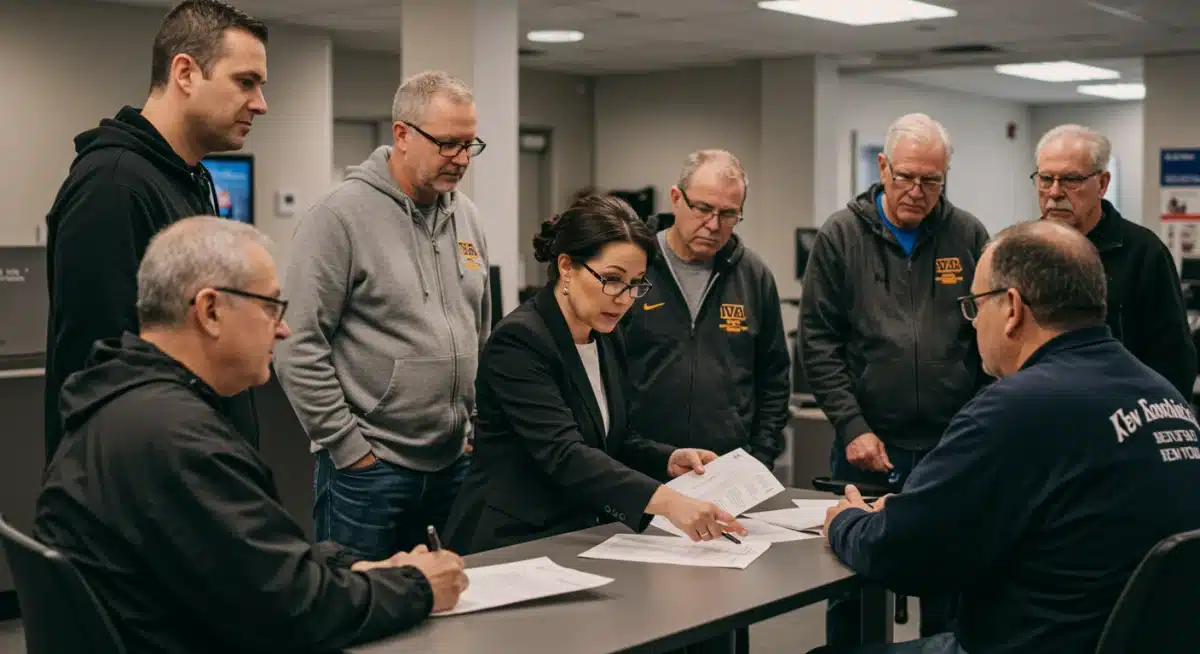
Understanding the significant updates to Veterans’ Disability Compensation in 2025 is crucial for veterans seeking to file a successful claim efficiently, potentially securing benefits within three months.
Navigating the landscape of veterans disability compensation can often feel overwhelming, especially with the continuous updates and adjustments made to policies and procedures. As we move into 2025, understanding the latest changes and how to effectively file a claim is more important than ever. This comprehensive guide aims to demystify the process, providing veterans with the knowledge and tools needed to submit a successful claim, potentially securing their deserved benefits within a three-month window.
Understanding the 2025 VA Compensation Landscape
The Department of Veterans Affairs (VA) regularly reviews and updates its disability compensation policies to better serve those who have honorably served our nation. For 2025, several key adjustments are being implemented, impacting eligibility criteria, disability ratings, and the overall claims process. These changes are designed to streamline operations and ensure fair and accurate evaluations of veterans’ service-connected conditions.
Staying informed about these updates is the first critical step toward a successful claim. Ignorance of new regulations can lead to delays or even denials. The VA’s commitment to improving the veteran experience means that while some processes may be new, they are ultimately aimed at enhancing accessibility and efficiency.
Key Legislative and Policy Updates
Several legislative actions and internal policy shifts are shaping the 2025 VA compensation landscape. These often stem from new research on service-connected conditions, advocacy efforts, and technological advancements. Understanding the scope of these changes is vital for preparing an effective claim.
- Expansion of Presumptive Conditions: The VA has continued to expand the list of presumptive conditions, particularly for veterans exposed to toxic substances during their service. This means certain illnesses may no longer require direct evidence linking them to service, simplifying the claims process for affected veterans.
- Digital Claims Modernization: Further enhancements to the VA’s digital claims submission portals are expected, aiming to make online filing more intuitive and secure. This includes improved interfaces and better integration with electronic health records.
- Mental Health Support: Increased emphasis and resources are being directed towards mental health conditions, with updated guidelines for evaluating and rating conditions like PTSD, depression, and anxiety.
These updates reflect an ongoing effort to recognize the sacrifices made by veterans and to provide them with the support they need. By familiarizing yourself with these foundational changes, you can strategically approach your claim, aligning it with the VA’s current framework.
In essence, the 2025 landscape for veterans’ disability compensation is marked by a push towards greater inclusivity, efficiency, and tailored support. Veterans should actively seek out official VA resources and accredited representatives to fully grasp how these changes specifically apply to their unique circumstances. This proactive approach will significantly enhance the likelihood of a timely and favorable outcome for their claims.
Eligibility Requirements and Service Connection in 2025
Establishing eligibility for VA disability compensation hinges on two primary factors: demonstrating service connection for your medical condition and meeting the VA’s specific criteria. Service connection means proving that your disability was incurred or aggravated during your military service. This fundamental principle remains unchanged for 2025, but the methods and evidence required to prove it continue to evolve.
Understanding what constitutes a service-connected condition is paramount. It’s not enough to simply have a medical condition; you must illustrate a clear link between your service and the onset or worsening of that condition. This can be direct, secondary, or through presumptive conditions.
Proving Service Connection
The VA categorizes service connection in several ways, each with distinct evidentiary requirements. A direct service connection means the injury or illness occurred during service. A secondary service connection implies a current service-connected condition caused or aggravated a new condition. Presumptive service connection, as mentioned earlier, covers conditions recognized by the VA as directly related to certain service periods or exposures, removing the need for individual proof of causation.
- Medical Nexus Letter: A crucial piece of evidence is often a medical nexus letter from a doctor, explicitly stating that your disability is “at least as likely as not” due to your military service. This letter bridges the gap between your medical condition and your service.
- Service Medical Records: Your military medical records are vital. They document injuries, illnesses, and treatments received during service, providing a historical account of your health.
- Lay Statements: Statements from friends, family, or fellow service members can corroborate your experiences and the impact of your condition, especially for conditions not well-documented in service records.
For 2025, the VA is placing increased emphasis on comprehensive medical documentation. This means not only providing records from your time in service but also current medical records detailing the diagnosis, severity, and ongoing treatment of your condition. The more complete and consistent your medical evidence, the stronger your claim for service connection will be.
Ultimately, a successful claim for veterans’ disability compensation in 2025 relies on a robust demonstration of service connection. Veterans must gather all available evidence, including medical records, personal statements, and professional opinions, to clearly link their current health issues to their military service. Seeking guidance from a Veterans Service Officer (VSO) can be invaluable in navigating these complex requirements and ensuring all necessary documentation is meticulously prepared and submitted.
Gathering Essential Documentation for a Strong Claim
The success of your disability compensation claim hinges significantly on the thoroughness and accuracy of the documentation you provide. A well-prepared claim minimizes the need for additional information requests from the VA, which can often cause significant delays. For 2025, the emphasis remains on comprehensive evidence, ensuring every aspect of your condition and its service connection is meticulously supported.
Think of your documentation as telling a complete story of your disability – from its origins in service to its current impact on your life. This narrative, backed by verifiable records, is what the VA raters will use to make their determination.
Key Documents to Assemble
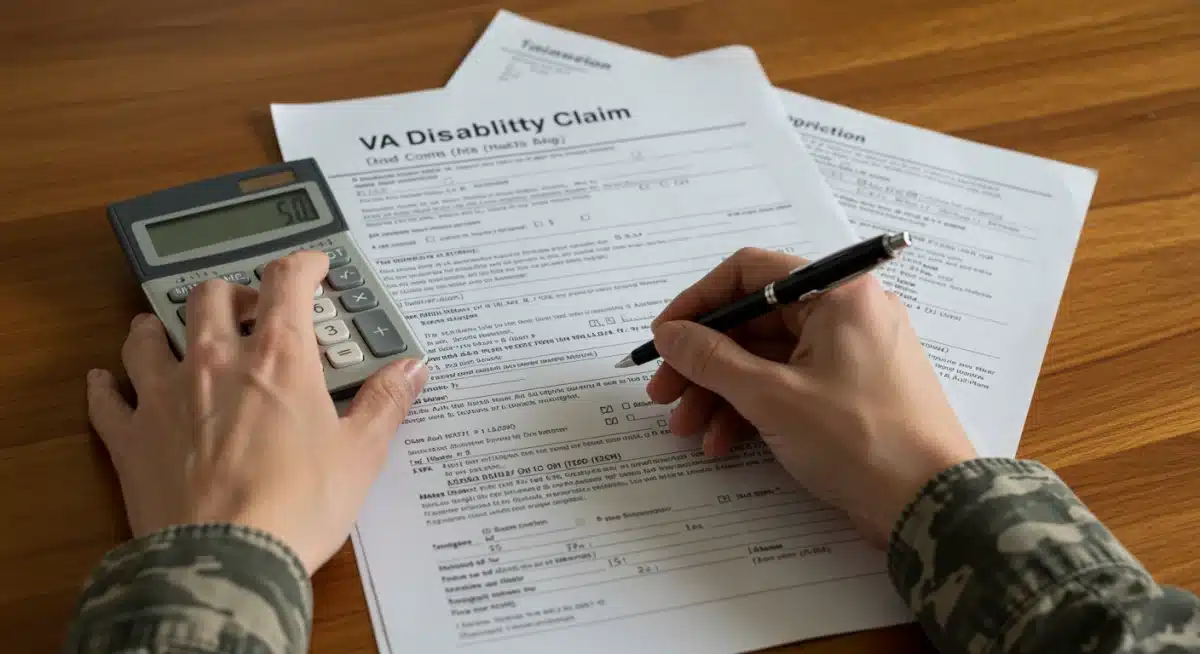
While each claim is unique, certain documents are universally essential. Organizing these materials before you even begin filling out forms will save you time and stress, and contribute to a smoother application process. It is advisable to create both physical and digital copies of all submitted documents for your records.
- DD214 (Certificate of Release or Discharge from Active Duty): This document is fundamental, proving your military service and honorable discharge.
- Service Medical Records: All medical records from your time in service, including hospitalizations, injuries, and diagnoses. These are critical for establishing the in-service event or onset of your condition.
- Current Medical Records: Recent diagnoses, treatment plans, medication lists, and physician notes from your civilian doctors. These records demonstrate the current severity and ongoing impact of your disability.
- Lay Statements (Buddy Statements): Written accounts from fellow service members, family, or friends who witnessed the onset or aggravation of your condition, or can describe how your disability affects your daily life.
- Medical Nexus Opinion: A statement from a qualified medical professional explicitly linking your current condition to your military service. This is often the most challenging but crucial piece of evidence.
- Personal Statement: Your own written account detailing how your service-connected disability affects your daily life, work, and social interactions. This provides a personal perspective often missing from medical records.
Beyond these core documents, consider any other evidence that supports your claim, such as performance reports indicating a decline in ability, awards for valor related to an injury, or even historical news reports about incidents you were involved in. The more evidence you can provide, the more robust your claim becomes.
In summary, assembling a comprehensive and organized packet of documentation is a cornerstone of a successful veterans’ disability compensation claim in 2025. By diligently collecting and presenting all relevant medical, service, and personal evidence, veterans significantly increase their chances of a timely and favorable decision from the VA, ensuring their sacrifices are appropriately recognized and compensated.
Navigating the VA Claims Process for a 3-Month Turnaround
While a three-month turnaround for a VA disability claim can be ambitious, it is achievable with meticulous preparation, proactive engagement, and a clear understanding of the process. The VA continuously works to reduce processing times, and veterans can significantly aid this effort by submitting a “fully developed claim” (FDC).
An FDC means you submit all necessary evidence and documentation upfront, eliminating the need for the VA to request additional information, which is a major cause of delays. This proactive approach is key to expediting your claim in 2025.
Steps to Expedite Your Claim
To maximize your chances of a swift resolution, follow these steps diligently. Each stage is crucial, and neglecting any part can prolong the process unnecessarily. Early engagement and thoroughness are your best allies.
- Intent to File: Submit an “Intent to File” form (VA Form 21-0966) as your very first step. This preserves your effective date for benefits for up to one year, giving you time to gather all supporting evidence without losing potential back pay.
- Gather All Evidence: As detailed in the previous section, collect all medical records, service records, lay statements, and a strong medical nexus letter. Ensure everything is organized and legible.
- File a Fully Developed Claim (FDC): This is the most critical step for a fast turnaround. Submit your claim with all supporting documents at once. Indicate clearly that you are filing an FDC.
- Attend Compensation & Pension (C&P) Exams: If requested by the VA, attend all scheduled C&P exams. These examinations are crucial for the VA to assess your condition. Be honest and thorough in describing your symptoms and their impact.
- Follow Up: While the VA aims for efficiency, it’s wise to periodically check the status of your claim through the VA’s eBenefits or VA.gov portal. If you notice any issues or requests for information, respond promptly.
Leveraging the support of a Veterans Service Organization (VSO) or an accredited claims agent can also significantly streamline the process. These professionals have expertise in VA regulations and can help ensure your claim is complete and accurately presented, further reducing potential delays.
Achieving a three-month turnaround for your veterans’ disability compensation claim in 2025 demands a strategic and exhaustive approach. By submitting a fully developed claim, being prepared for C&P exams, and proactively managing your application, you significantly enhance your chances of receiving a timely decision. Your diligence in these steps directly contributes to the efficiency of the VA’s review process.
Maximizing Your Disability Rating and Compensation
Securing a service connection is a significant hurdle, but maximizing your disability rating is equally important for ensuring you receive the appropriate level of compensation. The VA assigns a disability rating (from 0% to 100% in 10% increments) based on the severity of your service-connected conditions and their impact on your earning capacity. This rating directly determines your monthly compensation amount.
For 2025, understanding how the VA evaluates conditions and the factors that influence higher ratings is crucial. It’s not just about having a condition, but about effectively communicating its full extent and impact.
Factors Influencing Your Rating
Several elements contribute to the VA’s determination of your disability rating. Being aware of these can help you better prepare your claim and present a more compelling case for the true severity of your conditions. The VA’s rating schedule is complex, but it aims to provide fair compensation based on the functional impairment caused by your disabilities.
- Severity of Symptoms: The more severe and persistent your symptoms, the higher your rating is likely to be. This needs to be clearly documented in your medical records.
- Impact on Daily Life and Work: How your disability affects your ability to work, perform daily activities, and maintain social relationships is a significant factor. Your personal statement and lay statements are vital here.
- Combined Ratings: If you have multiple service-connected conditions, the VA uses a specific formula to combine their ratings, which is not a simple addition. Understanding how this works can help you anticipate your potential overall rating.
- Special Monthly Compensation (SMC): For certain severe disabilities, such as loss of a limb, blindness, or needing aid and attendance, veterans may be eligible for Special Monthly Compensation, which is paid in addition to regular disability compensation.
- Total Disability Individual Unemployability (TDIU): If your service-connected disabilities prevent you from securing or maintaining substantially gainful employment, you may be eligible for TDIU, which pays at the 100% rate even if your combined rating is less.
It is essential to provide detailed medical evidence that clearly articulates the functional limitations imposed by your disability. Don’t underestimate the power of a well-written personal statement and corroborating lay statements to paint a complete picture for the VA rater. These qualitative accounts often provide context that medical records alone cannot convey.
To maximize your disability rating and compensation in 2025, veterans must meticulously document the severity and pervasive impact of their service-connected conditions. By focusing on comprehensive medical evidence, clearly articulating functional limitations, and understanding the nuances of combined ratings and special compensation programs, you can ensure your claim accurately reflects your level of disability and secures the maximum benefits you are rightfully owed.
Appealing a Denied or Low-Rated Claim
Receiving a denial or a lower-than-expected disability rating can be disheartening, but it is not the end of the road. The VA provides a robust appeals process, allowing veterans to challenge decisions they believe are incorrect. Understanding how to effectively appeal a claim is crucial for ensuring you eventually receive the compensation you deserve. For 2025, the appeals process continues to evolve, aiming for greater transparency and efficiency under the Appeals Modernization Act.
It’s important to remember that many successful claims begin with an initial denial or a rating adjustment. Persistence and a strategic approach to the appeals process are key to overturning unfavorable decisions.
The Appeals Modernization Act (AMA) and Your Options
The Appeals Modernization Act (AMA), implemented in 2019, fundamentally changed the VA appeals process, offering veterans three distinct lanes to pursue their appeal. This system is designed to provide more choice and potentially faster resolution times, and its principles remain central for 2025.
- Supplemental Claim Lane: This is often the best first step if you have new and relevant evidence that was not previously considered. You submit a supplemental claim with the new evidence, and the VA re-evaluates your case. This is a good option if you believe your initial claim lacked crucial documentation.
- Higher-Level Review Lane: If you believe the VA made an error based on the evidence already submitted, you can request a Higher-Level Review. A more senior claims adjudicator will review your case without new evidence, looking for errors in the initial decision.
- Board of Veterans’ Appeals Lane: This lane allows you to appeal directly to the Board of Veterans’ Appeals, offering three options: direct review (no new evidence, no hearing), evidence submission (new evidence allowed, no hearing), or a hearing with a Veterans Law Judge. This is typically pursued after exhausting the other two lanes or for complex cases.
Regardless of the lane you choose, the key to a successful appeal is identifying why your initial claim was denied or rated low and then addressing those specific issues with targeted evidence or arguments. This might involve obtaining a new medical opinion, gathering additional lay statements, or highlighting specific errors in the VA’s initial decision.
Seeking assistance from a qualified VSO or an accredited attorney is highly recommended when navigating the appeals process. Their expertise can be invaluable in identifying the strongest appeal lane, preparing compelling arguments, and ensuring all procedural requirements are met. Don’t shy away from appealing; it’s a fundamental right designed to protect veterans’ interests.
In conclusion, a denied or low-rated claim for veterans’ disability compensation in 2025 is not a final outcome. By understanding the options available under the Appeals Modernization Act and strategically pursuing the most appropriate appeal lane, veterans can effectively challenge unfavorable decisions. With thorough preparation, new evidence where applicable, and professional guidance, overturning an initial denial and securing the rightful benefits is a very real possibility.
Resources and Support for Veterans’ Claims
Successfully navigating the complexities of veterans’ disability compensation in 2025 often requires more than just personal effort; it demands leveraging available resources and support networks. The VA and various non-profit organizations offer a wealth of assistance designed to guide veterans through every stage of the claims process, from initial application to appeals.
These resources are invaluable, providing expert advice, legal assistance, and emotional support. Knowing where to turn can significantly reduce stress and improve the likelihood of a positive outcome for your claim.
Key Support Organizations and Tools
A multitude of organizations are dedicated to assisting veterans with their compensation claims. Engaging with these entities can provide clarity, advocacy, and direct help in preparing and submitting your documentation. Do not hesitate to reach out to these groups; they exist to serve you.
- Veterans Service Organizations (VSOs): Organizations like the American Legion, Disabled American Veterans (DAV), Veterans of Foreign Wars (VFW), and others offer free, accredited representation. They can help you understand your benefits, gather evidence, fill out forms, and represent you throughout the claims and appeals process.
- VA.gov and eBenefits: These official VA websites are crucial portals for information, claim submission, and status tracking. They offer personalized dashboards, access to your service records, and direct links to VA forms and publications.
- Accredited Attorneys and Claims Agents: For complex cases or appeals, hiring an accredited attorney or claims agent can provide specialized legal expertise. While they often charge fees, they can be highly effective in challenging VA decisions.
- VA Regional Offices: Local VA offices have staff available to answer questions and provide direct assistance. While they cannot represent you, they can offer guidance on forms and procedures.
- Peer Support Groups: Connecting with other veterans who have gone through the claims process can offer invaluable insights, emotional support, and practical advice based on shared experiences.
Beyond direct claims assistance, many of these organizations also provide support for other veteran needs, such as housing, employment, and mental health services. A holistic approach to veteran well-being often strengthens a disability claim by demonstrating the broader impact of service-connected conditions.
In conclusion, veterans navigating disability compensation claims in 2025 have access to a robust ecosystem of support. By actively engaging with Veterans Service Organizations, utilizing official VA online resources, and seeking professional legal advice when necessary, veterans can confidently pursue their claims. These support systems are designed to empower veterans, ensuring they receive the full scope of benefits and care they have earned through their service.
| Key Aspect | Brief Description |
|---|---|
| 2025 Changes | Updates in presumptive conditions, digital claims, and mental health evaluation. |
| Service Connection | Proving a direct link between military service and your medical condition. |
| Documentation | Gathering DD214, medical records, nexus letters, and lay statements. |
| Expedited Claims | Filing a Fully Developed Claim (FDC) and promptly attending C&P exams. |
Frequently asked questions about veterans’ disability compensation
Key changes for 2025 include an expansion of presumptive conditions, particularly for toxic exposures, further modernization of digital claims submission, and enhanced guidelines for evaluating mental health conditions. These updates aim to streamline the process and improve veteran access to benefits.
To file a fully developed claim (FDC), you must submit all necessary evidence and documentation upfront. This includes your DD214, all relevant service and private medical records, a strong medical nexus letter, and any supporting lay statements. This proactive submission prevents VA from needing to gather additional information, speeding up the review.
A medical nexus letter is a statement from a qualified physician explicitly linking your current medical condition to your military service. It’s crucial because it provides the medical opinion necessary to establish service connection, stating that your disability is “at least as likely as not” due to your service.
If your claim is denied or rated low, you have appeal options under the Appeals Modernization Act. You can file a Supplemental Claim with new evidence, request a Higher-Level Review for errors based on existing evidence, or appeal directly to the Board of Veterans’ Appeals. Consulting a VSO or attorney is recommended.
Yes, VSOs are highly beneficial. They provide free, accredited assistance, helping veterans understand benefits, gather evidence, complete forms correctly, and represent them throughout the claims and appeals process. Their expertise significantly increases the chances of a successful and timely outcome.
Conclusion
Securing veterans’ disability compensation in 2025 demands a proactive, informed, and meticulous approach. By understanding the latest VA policy changes, diligently gathering all essential documentation, strategically navigating the claims process to file a fully developed claim, and knowing how to maximize your rating and appeal unfavorable decisions, veterans can significantly improve their chances of a timely and successful outcome. Leveraging the extensive resources and support networks available through the VA and various veteran service organizations is not just advisable but often crucial. Your service has earned you these benefits; with careful preparation and persistent advocacy, you can ensure you receive the compensation and care you rightfully deserve.