2026 Farm Bill: 7 Key Provisions for Farmers – Insider Knowledge
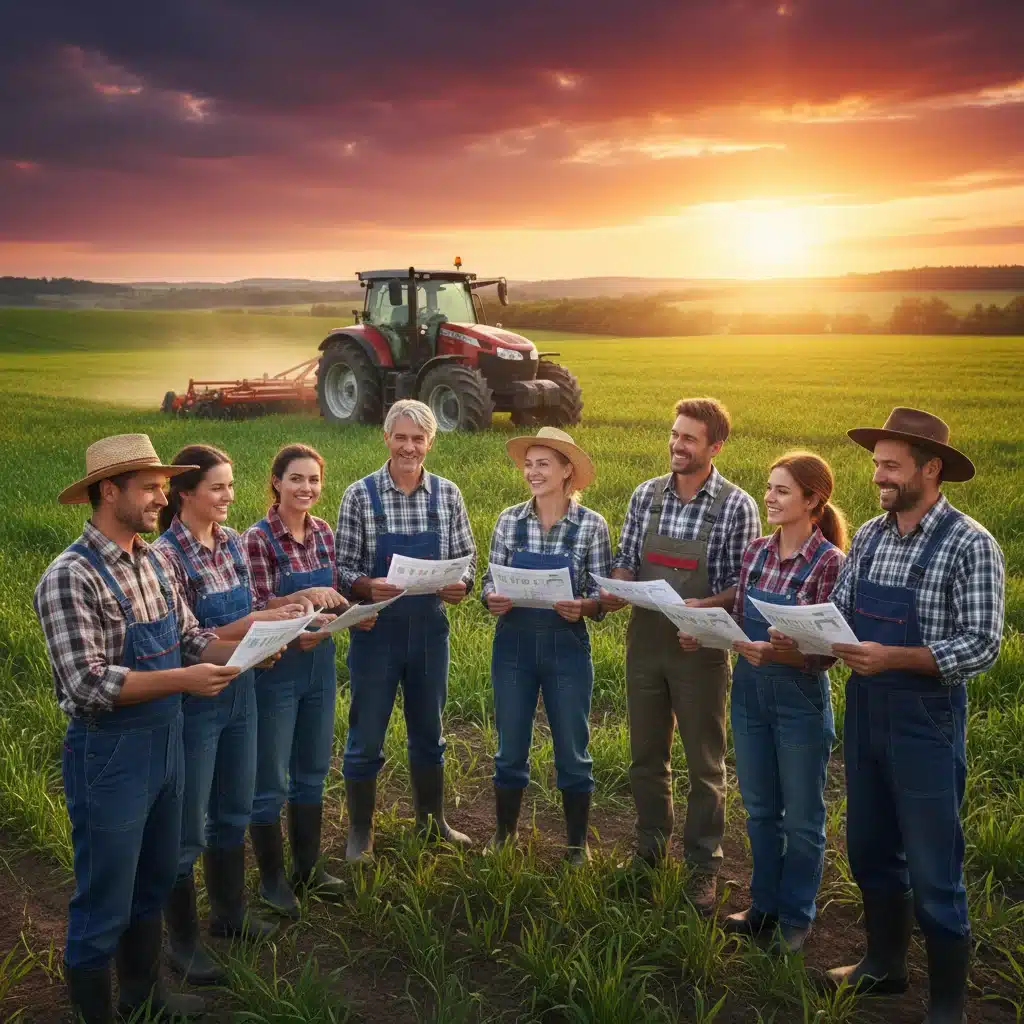
The agricultural landscape is constantly evolving, shaped by environmental challenges, market fluctuations, and, crucially, legislative decisions. At the heart of U.S. agricultural policy lies the Farm Bill, a comprehensive piece of legislation passed roughly every five years that dictates everything from commodity subsidies and conservation programs to food assistance and rural development. As the current legislation approaches its expiration, the agricultural community is already looking ahead to the 2026 Farm Bill. Understanding the potential changes and key provisions is not just beneficial; it’s essential for farmers, ranchers, and anyone involved in the food supply chain to plan strategically and ensure their operations remain viable and resilient.
This article aims to provide an insider’s look into the anticipated 2026 Farm Bill, dissecting seven pivotal provisions that are likely to shape the future of American agriculture. We’ll explore the historical context, current challenges, and potential policy directions, offering you the knowledge needed to navigate the evolving legislative terrain. From commodity programs to rural broadband, we’ll cover the critical aspects that will define the next chapter of agricultural policy. Prepare to gain a deeper understanding of the forces at play and how they might impact your farm, your community, and the nation’s food security.
The Evolving Landscape of the 2026 Farm Bill
The Farm Bill is more than just a piece of legislation; it’s a foundational document that underpins the entire U.S. agricultural system. Its reach extends far beyond the farm gate, influencing consumer prices, environmental stewardship, international trade, and the vitality of rural communities. Each iteration of the Farm Bill reflects the prevailing economic, social, and environmental concerns of its time. The upcoming 2026 Farm Bill will be no different, facing a unique set of challenges and opportunities.
Historically, Farm Bills have been a delicate balance of competing interests: commodity groups advocating for strong safety nets, conservationists pushing for environmental protection, food advocates seeking to address hunger, and rural communities striving for economic development. The political climate, global markets, and climate change impacts all contribute to the complexity of crafting this monumental legislation. As discussions for the 2026 Farm Bill begin to intensify, stakeholders are already positioning themselves to influence its direction. Early insights suggest a strong focus on climate resilience, supply chain stability, and equitable access to resources, alongside the perennial debates over commodity prices and insurance programs.
Understanding the historical evolution of the Farm Bill provides crucial context. From its origins during the Great Depression, designed to stabilize farm income and food supply, to its modern form encompassing a vast array of programs, the Farm Bill has consistently adapted. The 2018 Farm Bill, for instance, saw significant emphasis on industrial hemp legalization and expanded conservation efforts. The 2026 Farm Bill is expected to build upon these foundations while addressing new and pressing issues such as technological advancements in agriculture, increased climate volatility, and the need for greater food system resilience in the face of global disruptions.
Provision 1: Strengthening Commodity Programs and Safety Nets
Commodity programs have always been a cornerstone of the Farm Bill, providing vital safety nets for farmers facing volatile market prices and unpredictable weather events. These programs, primarily the Price Loss Coverage (PLC) and Agriculture Risk Coverage (ARC), aim to stabilize farm income for producers of major crops like corn, soybeans, wheat, and cotton. As we look towards the 2026 Farm Bill, there is significant debate over how these programs should be structured to be more effective, equitable, and responsive to current economic realities.
One of the primary discussions revolves around reference prices – the benchmarks used to trigger PLC payments. Many argue that current reference prices are outdated and do not reflect the increased costs of production, including inputs like fertilizer, fuel, and labor. Farmers and agricultural organizations are advocating for adjustments to these reference prices to provide a more meaningful safety net. There’s also a push to re-evaluate the calculation methods for ARC payments, which are based on historical county or individual revenue, to ensure they adequately compensate for significant revenue losses.
Furthermore, discussions around payment limitations and eligibility criteria are perennial. Critics often point to large farms receiving a disproportionate share of commodity payments, while advocates argue that all farms, regardless of size, face similar risks and need support. The 2026 Farm Bill will likely see proposals to refine these rules, possibly introducing new tiers or adjusting caps to better target support. The role of crop insurance, which works in tandem with commodity programs, will also be a key area of focus. Ensuring affordable and accessible crop insurance options remains critical, especially as climate change increases the frequency and intensity of extreme weather events. The goal is to create a robust and flexible safety net that can adapt to future challenges while maintaining fiscal responsibility.
Provision 2: Expanding Conservation and Environmental Stewardship Programs
Environmental stewardship has become an increasingly prominent component of successive Farm Bills, reflecting a growing societal demand for sustainable agriculture and climate resilience. The 2026 Farm Bill is expected to significantly expand and enhance existing conservation programs, such as the Environmental Quality Incentives Program (EQIP), the Conservation Stewardship Program (CSP), and the Agricultural Conservation Easement Program (ACEP). The focus will likely be on incentivizing practices that sequester carbon, improve water quality, enhance biodiversity, and build soil health.
One of the key areas of emphasis will be climate-smart agriculture. This includes practices like no-till farming, cover cropping, diversified cropping systems, and improved nutrient management. There’s a strong push for increased funding for these programs, as current demand often outstrips available resources. The aim is to make it easier and more financially attractive for farmers to adopt practices that benefit both their bottom line and the environment. The 2026 Farm Bill may also introduce new, innovative programs that specifically target greenhouse gas emissions reductions and climate adaptation strategies, potentially leveraging market-based mechanisms or carbon credit opportunities.
Another crucial aspect will be addressing water quality and quantity issues, particularly in regions facing drought or excessive nutrient runoff. Programs that support wetland restoration, riparian buffers, and efficient irrigation systems are likely to receive increased attention and funding. Furthermore, the 2026 Farm Bill will likely seek to streamline the application process for conservation programs, making them more accessible to a broader range of producers, including beginning farmers and historically underserved groups. The overall objective is to foster a more resilient and environmentally sound agricultural system, ensuring that farming practices contribute positively to ecological health while remaining economically viable.
Provision 3: Reforming Food and Nutrition Assistance Programs
Beyond direct support to farmers, the Farm Bill is also a critical piece of legislation for food security in the United States, primarily through the Supplemental Nutrition Assistance Program (SNAP). SNAP, formerly known as food stamps, provides crucial assistance to millions of low-income individuals and families, ensuring they have access to nutritious food. Debates surrounding SNAP are often some of the most contentious during Farm Bill negotiations, and the 2026 Farm Bill will undoubtedly be no exception.
Key areas of discussion will likely include eligibility requirements, benefit levels, and work requirements. Advocates for stronger food security will push for maintaining or expanding SNAP benefits, arguing that they are essential for public health and economic stability, especially in times of high inflation or economic downturns. They may also advocate for simplifying the application process and reducing barriers to access for vulnerable populations. On the other hand, some policymakers may seek to tighten eligibility, introduce stricter work requirements, or reduce overall program funding, citing concerns about program costs and dependency.
The 2026 Farm Bill may also explore ways to enhance the nutritional impact of SNAP, potentially through incentives for purchasing healthy foods or restrictions on certain unhealthy items. Programs that connect SNAP recipients with local farmers’ markets and fresh produce, like the Gus Schumacher Nutrition Incentive Program (GusNIP), are likely to see continued support and potential expansion. The goal is to strike a balance between providing a robust safety net for those in need and ensuring the program is efficient and effective. The outcomes of these negotiations will have a profound impact on food access and public health across the nation.
Provision 4: Boosting Rural Development and Infrastructure
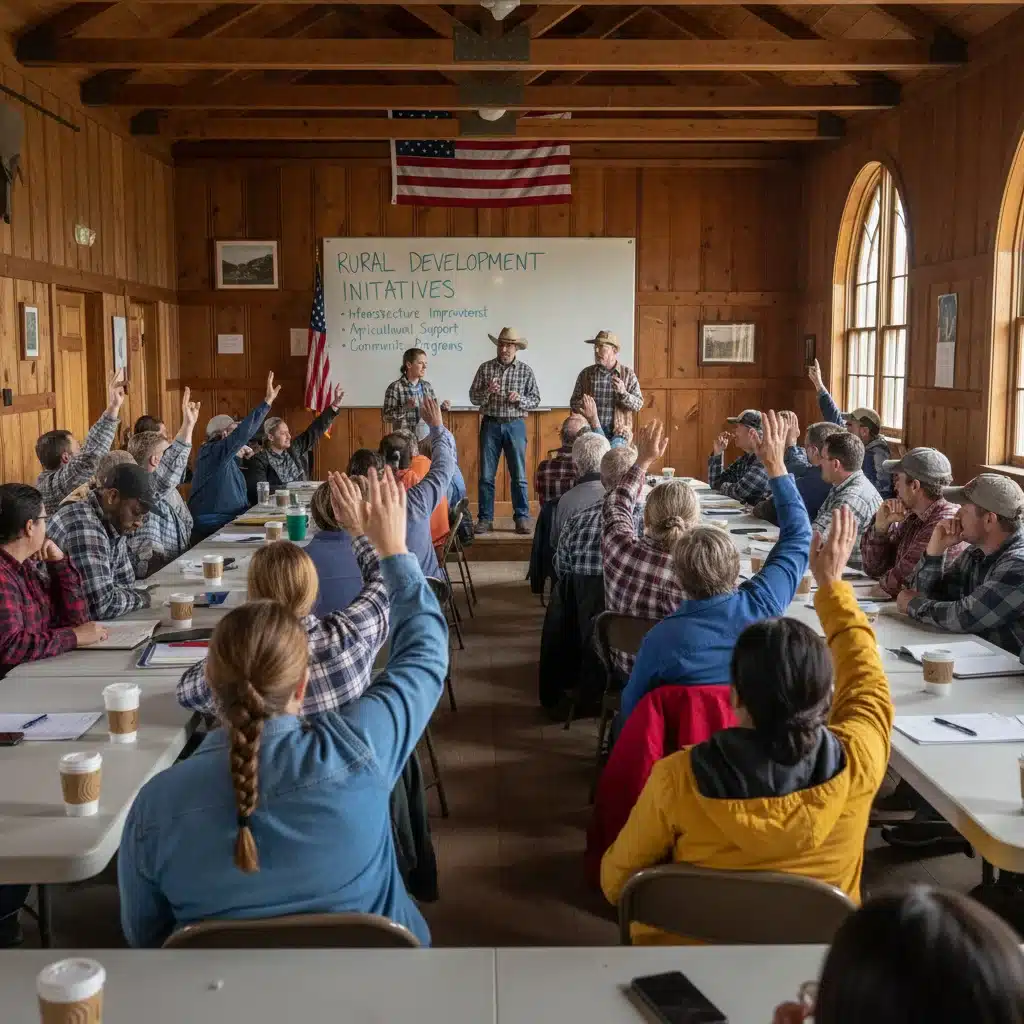
Rural communities are the backbone of American agriculture, and the Farm Bill plays a significant role in their economic vitality and quality of life. The 2026 Farm Bill is anticipated to place a strong emphasis on rural development and infrastructure, addressing critical needs such as broadband access, clean water and waste systems, rural housing, and business development. The aim is to bridge the urban-rural divide and ensure that rural areas have the resources needed to thrive in the 21st century.
Access to high-speed internet, or broadband, remains a top priority. Many rural areas still lack reliable and affordable broadband, hindering economic growth, educational opportunities, and access to healthcare. The 2026 Farm Bill will likely include significant funding and policy directives to expand broadband infrastructure, potentially streamlining grant and loan programs and encouraging public-private partnerships. This is crucial not only for rural residents but also for modern agricultural operations that increasingly rely on precision agriculture technologies.
Beyond broadband, the Farm Bill traditionally supports vital community infrastructure projects. This includes funding for water and wastewater systems, which are essential for public health and environmental protection. Housing programs, particularly for low-income residents and agricultural workers, are also critical components. Furthermore, the 2026 Farm Bill will likely continue to support rural business development through loan and grant programs, fostering entrepreneurship and job creation in non-agricultural sectors. The overall objective is to create resilient, attractive, and economically diverse rural communities that can retain their populations and contribute robustly to the national economy.
Provision 5: Supporting Beginning and Underserved Farmers
The future of American agriculture depends on attracting and retaining new farmers, as well as ensuring equitable opportunities for all producers, including those from historically underserved communities. The 2026 Farm Bill is expected to continue and strengthen programs designed to support beginning farmers and ranchers, as well as socially disadvantaged and veteran farmers. This includes initiatives focused on access to land, capital, mentorship, and technical assistance.
One of the biggest hurdles for new and underserved farmers is access to land and financing. The 2026 Farm Bill will likely explore mechanisms to make land more affordable and accessible, such as land link programs, conservation easements that prioritize beginning farmers, and expanded loan opportunities through the Farm Service Agency (FSA). Programs that provide subsidized interest rates or grant funding for land purchases or farm improvements will be crucial. Additionally, technical assistance and mentorship programs will be vital in helping new farmers navigate the complexities of agricultural production, business management, and market access.
For historically underserved farmers, including Black, Indigenous, and other farmers of color, and women farmers, the 2026 Farm Bill will need to address systemic barriers and historical inequities. This could involve targeted outreach, dedicated funding streams, and programs designed to improve access to USDA resources and programs. The creation of a more inclusive and equitable agricultural system is not just a matter of social justice but also essential for the long-term sustainability and diversity of American agriculture. The 2026 Farm Bill represents a critical opportunity to foster a new generation of diverse and resilient farmers.
Provision 6: Investing in Agricultural Research and Extension
Innovation and scientific advancement are crucial drivers of agricultural productivity, sustainability, and competitiveness. The 2026 Farm Bill will undoubtedly reaffirm the importance of agricultural research and extension services, providing critical funding for universities, land-grant institutions, and USDA research agencies. This investment underpins the development of new crop varieties, pest and disease management strategies, precision agriculture technologies, and sustainable farming practices.
Key areas of research focus for the 2026 Farm Bill are expected to include climate change adaptation and mitigation, with an emphasis on developing drought-resistant crops, improving water use efficiency, and enhancing carbon sequestration in agricultural systems. Research into new technologies, such as artificial intelligence, robotics, and biotechnology, will also be vital for increasing efficiency and reducing environmental impact. Furthermore, there will likely be a strong push for research into enhancing the nutritional value of food, reducing food waste, and improving food safety.
Extension services, which translate research findings into practical applications for farmers, will also be a critical component. The 2026 Farm Bill will likely seek to strengthen the capacity of extension agents to deliver up-to-date information and technical assistance to producers, helping them adopt new practices and technologies. This includes specialized support for organic farming, urban agriculture, and value-added product development. Robust funding for agricultural research and extension is an investment in the future, ensuring that American agriculture remains at the forefront of innovation and can meet the evolving demands of a growing global population.
Provision 7: Supporting Specialty Crops and Organic Agriculture
While much of the Farm Bill’s focus is traditionally on commodity crops, the increasing importance of specialty crops (fruits, vegetables, nuts, and horticulture) and organic agriculture cannot be overstated. These sectors contribute significantly to agricultural diversity, rural economies, and consumer health. The 2026 Farm Bill is expected to continue and expand programs specifically designed to support these vital segments of the agricultural industry.
For specialty crops, key provisions will likely include funding for pest and disease research, market promotion programs, and grants for infrastructure development (e.g., cold storage, processing facilities). The Specialty Crop Block Grant Program, which provides funds to state departments of agriculture to support specialty crop producers, is likely to see continued and potentially increased appropriations. There’s also a growing recognition of the need to improve supply chain resilience for specialty crops, reducing reliance on imports and strengthening domestic production.
Organic agriculture is another area poised for growth and increased support in the 2026 Farm Bill. This includes funding for organic research, technical assistance for transitioning to organic production, and programs that help organic farmers access markets. The National Organic Program (NOP), which sets standards for organic production, will also be a focus, with discussions on improving its effectiveness and addressing challenges such as fraudulent organic imports. The goal is to meet growing consumer demand for organic products while ensuring the integrity of the organic label. By supporting specialty crops and organic agriculture, the 2026 Farm Bill can foster a more diversified, resilient, and consumer-responsive food system.
Conclusion: Preparing for the 2026 Farm Bill
The upcoming 2026 Farm Bill represents a critical juncture for American agriculture. The seven provisions discussed above – commodity programs, conservation, food assistance, rural development, support for beginning and underserved farmers, research, and specialty/organic crops – are foundational pillars that will shape the industry for years to come. For farmers, ranchers, and all stakeholders, actively engaging with the legislative process and understanding these potential changes is paramount.
The debates surrounding the 2026 Farm Bill will be complex, reflecting diverse interests and pressing national challenges. Climate change, global market volatility, food security concerns, and the need for a sustainable and equitable food system will all weigh heavily on policymakers. While the exact details are still being negotiated, the direction of these key provisions offers a roadmap for what to expect. Staying informed, participating in local and national agricultural organizations, and communicating your needs to elected officials are crucial steps in influencing the outcome.
As the legislative process unfolds, flexibility and adaptability will be key for agricultural producers. The 2026 Farm Bill will present both opportunities and challenges. By understanding the potential shifts in policy and proactively planning, farmers can position themselves to not only mitigate risks but also capitalize on new programs and incentives. The future of American agriculture depends on a forward-thinking and responsive Farm Bill, and your engagement is vital in shaping that future. Keep an eye on official USDA announcements, congressional hearings, and agricultural news outlets for the latest developments as the 2026 Farm Bill takes shape.
Author