Boosting Female STEM Participation: US Schools’ 2026 Goal

Anúncios
Unlocking STEM Potential: How US Schools are Boosting Female Participation by 15% in 2026 (INSIDER KNOWLEDGE)
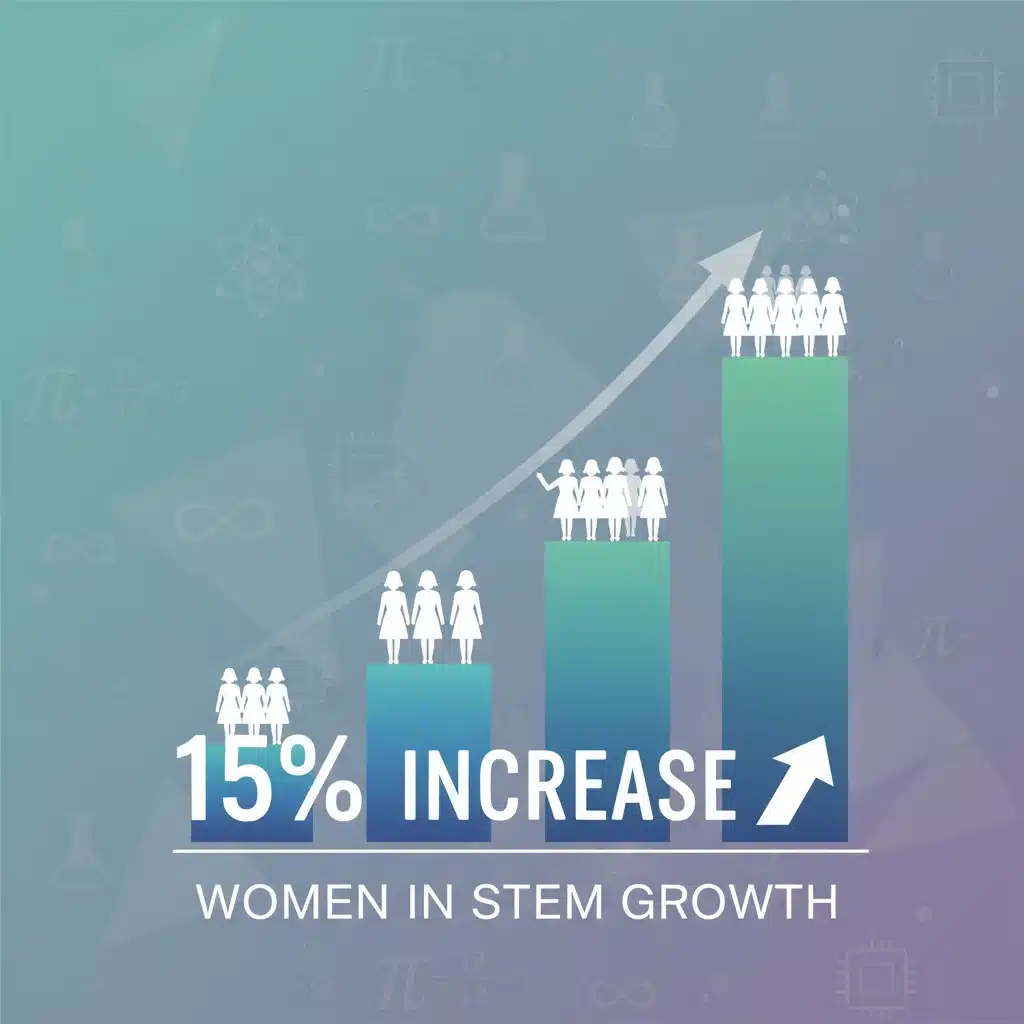
The landscape of science, technology, engineering, and mathematics (STEM) is rapidly evolving, and with it, the urgent need for a diverse workforce that reflects the full spectrum of human talent. For too long, women have been underrepresented in these critical fields, leading to missed opportunities for innovation and a less equitable society. However, a significant shift is underway in the United States, with educational institutions setting ambitious targets to increase Female STEM Participation. By 2026, US schools are striving for a remarkable 15% boost in female involvement, a goal that promises to reshape the future of STEM. This article delves into the strategies, challenges, and potential impacts of this crucial initiative.
Anúncios
The Imperative for Increased Female STEM Participation
The call for greater Female STEM Participation isn’t just about social justice; it’s an economic and innovative necessity. Studies consistently show that diverse teams lead to better problem-solving, increased creativity, and higher financial returns. When women are excluded from STEM, half of the population’s potential contributions are stifled, leading to a narrower range of perspectives in fields that drive global progress. From developing life-saving medicines to designing sustainable energy solutions, the absence of women’s voices is a critical oversight.
Historically, societal biases, lack of role models, and educational disparities have contributed to the gender gap in STEM. Girls often face subtle and overt messages that STEM fields are “for boys,” leading to a decline in interest as they progress through schooling. This pipeline problem – where fewer girls choose STEM subjects in high school and even fewer pursue STEM degrees in college – has long been a concern. Recognizing this, US schools are now actively dismantling these barriers, understanding that fostering early interest and providing sustained support are key to boosting Female STEM Participation.
Anúncios
The 2026 target of a 15% increase is not merely an arbitrary number; it reflects a strategic, data-driven effort to correct historical imbalances and prepare the nation for future technological challenges. Achieving this goal would mean a more robust, innovative, and competitive American workforce, capable of tackling complex global issues with a broader array of insights and skills. It signifies a profound commitment to equity and excellence, ensuring that the next generation of scientists, engineers, and technologists truly represents the diversity of the nation.
Key Strategies Driving the 15% Boost in Female STEM Participation
Achieving a 15% increase in Female STEM Participation by 2026 requires a multi-faceted approach, targeting various stages of a girl’s educational journey. US schools are implementing a range of innovative strategies, from early childhood interventions to advanced mentorship programs, all designed to cultivate interest, build confidence, and provide pathways into STEM careers.
Early Childhood and Elementary School Interventions
The foundation for STEM interest is laid long before high school. Schools are increasingly focusing on introducing STEM concepts in engaging, play-based ways in kindergarten and elementary grades. This includes:
- Interactive STEM Kits and Games: Providing hands-on activities that make science and math fun and accessible, moving away from rote memorization.
- Gender-Neutral Language and Imagery: Ensuring classroom materials, textbooks, and teacher language avoid gender stereotypes, presenting STEM as a field open to everyone.
- Exposure to Diverse Role Models: Inviting female scientists, engineers, and technologists to speak to young students, showing them tangible examples of women thriving in STEM.
- Teacher Training: Equipping elementary school teachers with the skills and resources to foster an inclusive STEM learning environment and recognize potential biases.
By making STEM an exciting and natural part of early learning, schools aim to prevent the early disengagement that can often occur when girls perceive these subjects as difficult or uninteresting.
Middle School: Nurturing Growing Interest
Middle school is a critical juncture where students often solidify their academic interests. To boost Female STEM Participation, schools are focusing on:
- Project-Based Learning: Engaging students in real-world problems that require STEM solutions, such as designing a sustainable community garden or building a simple robot. This makes learning relevant and demonstrates the practical application of STEM.
- After-School STEM Clubs: Creating environments where girls can explore STEM topics in a less formal, more collaborative setting, fostering a sense of community and belonging.
- Mentorship Programs: Connecting middle school girls with older female high school or college students in STEM, providing guidance and inspiration.
- Addressing “Math Anxiety”: Implementing strategies to build confidence in mathematics, which is often a gateway to other STEM fields, and challenging the stereotype that girls are “not good at math.”
These initiatives are designed to sustain and deepen the interest sparked in earlier years, preparing girls for more advanced STEM coursework.
High School: Advanced Pathways and Support Systems
High school is where students make crucial decisions about their academic and career paths. To significantly increase Female STEM Participation, schools are:
- Advanced Placement (AP) and Dual Enrollment Programs: Encouraging girls to enroll in challenging STEM courses and providing support to ensure their success. Dual enrollment allows them to earn college credits while still in high school, making higher education in STEM more appealing.
- Internship and Externship Opportunities: Connecting students with local businesses and research institutions for hands-on experience, providing a glimpse into real-world STEM careers.
- Dedicated STEM Counselors: Providing specialized guidance counselors who can advise girls on STEM college majors, scholarship opportunities, and career paths.
- Peer Support Networks: Establishing groups where female STEM students can collaborate, share experiences, and support each other through challenging coursework.
- Coding and Robotics Competitions: Sponsoring and encouraging participation in competitive STEM events, building skills, and fostering a sense of achievement.
These programs are vital for creating a strong pipeline of female talent ready to pursue higher education and careers in STEM.
Addressing Systemic Barriers and Biases
Beyond direct educational interventions, schools are also confronting deeper, systemic issues that hinder Female STEM Participation. This involves a critical examination of institutional practices and cultural norms.
Curriculum Reform and Inclusivity
Many schools are reviewing their STEM curricula to ensure they are inclusive and representative. This includes:
- Highlighting Contributions of Women in STEM: Integrating stories of pioneering female scientists, engineers, and mathematicians throughout history and in contemporary fields, providing role models that resonate with girls.
- Culturally Responsive Teaching: Adapting teaching methods and content to be relevant to students from diverse backgrounds, recognizing that intersectional identities can influence a girl’s experience in STEM.
- Challenging Stereotypes in Media: Discussing how media often portrays STEM professionals, particularly women, and encouraging critical thinking about these representations.
By making the curriculum more reflective of diverse contributions and experiences, schools can make STEM feel more welcoming and relevant to all students.
Teacher Training and Professional Development
Teachers are at the forefront of shaping students’ experiences. Professional development programs are focusing on:
- Implicit Bias Training: Helping educators recognize and mitigate their own unconscious biases about gender and STEM abilities.
- Inclusive Pedagogy: Teaching strategies that promote equitable participation in the classroom, ensuring all students, especially girls, feel comfortable asking questions, participating in discussions, and leading projects.
- Growth Mindset Promotion: Fostering the belief that intelligence and abilities can be developed through dedication and hard work, rather than being fixed traits. This is particularly important for girls who may internalize messages about “natural talent” in STEM.
Empowering teachers with these tools is crucial for creating classroom environments where Female STEM Participation can flourish.
Parental and Community Engagement
Schools recognize that supporting girls in STEM extends beyond the classroom. Engaging parents and the wider community is vital:
- Workshops for Parents: Educating parents on the importance of STEM for their daughters’ futures and providing resources to support STEM learning at home.
- Community Partnerships: Collaborating with local universities, businesses, and non-profit organizations to create outreach programs, science fairs, and mentorship opportunities.
- Public Awareness Campaigns: Challenging societal norms and promoting the value of women in STEM through broader community initiatives.
A supportive ecosystem involving home, school, and community can significantly enhance efforts to boost Female STEM Participation.
Measuring Progress and Overcoming Challenges
The 2026 target is ambitious, and achieving a 15% increase in Female STEM Participation will require rigorous tracking and adaptability. Schools are employing various metrics to measure progress:
- Enrollment Data: Monitoring the number of girls enrolling in advanced STEM courses, AP STEM exams, and STEM-focused extracurricular activities.
- Retention Rates: Tracking how many girls continue their STEM pathways from middle school through high school and into higher education.
- Attitudinal Surveys: Gauging girls’ interest, confidence, and perceived barriers in STEM through regular surveys.
- Post-Graduation Pathways: Following up with female graduates to see how many pursue STEM degrees in college or enter STEM-related careers.
While the commitment is strong, several challenges remain. Funding for specialized STEM programs can be a hurdle, particularly for under-resourced schools. The availability of adequately trained STEM teachers, especially those equipped to teach inclusively, is another ongoing concern. Furthermore, societal stereotypes, though diminishing, still persist and require continuous effort to dismantle.
However, the proactive stance of US schools, combined with increasing public awareness and technological advancements, paints a hopeful picture. The focus on early intervention, comprehensive support systems, and addressing systemic biases creates a robust framework for success. The insider knowledge suggests that a collaborative effort across all stakeholders – educators, policymakers, parents, and industry leaders – is proving instrumental in navigating these challenges effectively.

The Future Impact of Enhanced Female STEM Participation
The successful achievement of a 15% increase in Female STEM Participation by 2026 will have profound and lasting impacts on American society and the global stage. It’s not just about numbers; it’s about unlocking a vast reservoir of talent and perspective.
Economic Growth and Innovation
A more diverse STEM workforce is a more innovative workforce. Women bring unique perspectives and approaches to problem-solving, which can lead to groundbreaking discoveries and technological advancements. Increased Female STEM Participation will fuel economic growth by creating new industries, driving entrepreneurship, and maintaining the US’s competitive edge in a globalized world. Companies that embrace diversity, particularly in STEM roles, are more likely to outperform their peers financially.
Addressing Grand Challenges
Many of the world’s most pressing issues – climate change, global health crises, food security – require innovative STEM solutions. By bringing more women into these fields, we enhance the collective intelligence available to tackle these “grand challenges.” Diverse teams are better equipped to understand and address the needs of diverse populations, ensuring that solutions are equitable and effective for everyone.
Empowering Future Generations
Perhaps one of the most significant impacts will be on future generations of girls. As more women enter and succeed in STEM, they become powerful role models, breaking down stereotypes and inspiring younger girls to pursue their passions without limitation. This creates a virtuous cycle, where increased Female STEM Participation today leads to even greater participation tomorrow, fostering a culture where STEM is seen as a viable and desirable path for all.
The increased presence of women in STEM leadership roles will also lead to more inclusive workplaces, better policies, and a more supportive environment for all employees. This systemic change will benefit not only women but the entire STEM ecosystem.
Conclusion
The ambitious goal of boosting Female STEM Participation by 15% in US schools by 2026 represents a pivotal moment in American education and societal development. Through targeted early interventions, robust middle and high school programs, and a concerted effort to dismantle systemic barriers, schools are creating a more equitable and dynamic future for STEM. This initiative is more than just about numbers; it’s about unlocking human potential, fostering innovation, and building a more resilient and representative workforce capable of solving the complex challenges of tomorrow. The insider knowledge suggests that while the path is challenging, the commitment and strategic implementation are paving the way for a truly transformative impact, ensuring that the next generation of STEM leaders is as diverse as the world they serve.