The 2026 Impact of AI on K-12 Curriculum in US Public Schools: Practical Solutions for Educators
The landscape of education is on the cusp of a profound transformation, driven by the accelerating advancements in Artificial Intelligence (AI). As we inch closer to 2026, the integration of AI K-12 curriculum in US public schools is not merely a possibility but an impending reality. This shift promises to reshape how students learn, how teachers teach, and how educational systems operate. This comprehensive guide will delve into the anticipated impact of AI on K-12 curriculum, exploring both the immense opportunities and the significant challenges it presents. More importantly, we will provide practical, actionable solutions for educators to effectively navigate this new era and harness the power of AI to foster a more engaging, personalized, and effective learning environment.
The conversation around AI in education often evokes images of futuristic classrooms and robotic tutors. While some of these visions might materialize, the immediate impact of AI will likely be more nuanced, focusing on augmenting human capabilities rather than replacing them. For K-12 educators, understanding this distinction is crucial. AI isn’t coming to take jobs; it’s coming to transform them, offering tools that can personalize learning at scale, automate administrative tasks, and provide unprecedented insights into student performance. The key lies in strategic implementation and proactive adaptation.
Understanding the Shifting Paradigm: Why AI K-12 Curriculum Matters Now
The urgency to integrate AI into the K-12 curriculum stems from several critical factors. Firstly, the world outside the classroom is rapidly evolving. Industries are increasingly reliant on AI, and students entering the workforce will need not only to understand AI but also to be adept at using it and critically evaluating its output. Ignoring this technological wave would be a disservice to future generations, leaving them unprepared for the demands of the 21st-century economy.
Secondly, AI offers solutions to long-standing educational challenges. Personalized learning, a goal that has remained elusive for many educators due to logistical constraints, becomes genuinely achievable with AI. AI-powered platforms can adapt to individual student paces, learning styles, and knowledge gaps, providing tailored content and feedback. This level of customization can significantly improve student outcomes, particularly for those who struggle in traditional one-size-fits-all environments.
Thirdly, AI can alleviate the administrative burden on teachers, freeing them to focus on what they do best: teaching and building relationships with students. Tasks such as grading multiple-choice quizzes, tracking attendance, and even generating basic reports can be automated, giving educators more time for lesson planning, individualized support, and professional development. This efficiency gain is vital in an era where teacher burnout is a growing concern.
The integration of AI K-12 curriculum is not just about teaching students how to use AI; it’s also about leveraging AI to enhance the teaching and learning process itself. This dual approach is essential for a holistic and effective implementation. As 2026 approaches, schools that embrace this paradigm shift will be better positioned to prepare their students for a future where AI is an integral part of daily life and work.
Key Areas of Impact: Where AI Will Transform K-12 Education by 2026
The influence of AI will be felt across multiple facets of the K-12 educational system. Understanding these key areas of impact is the first step towards developing effective strategies for integration.
Personalized Learning Pathways and Adaptive Content
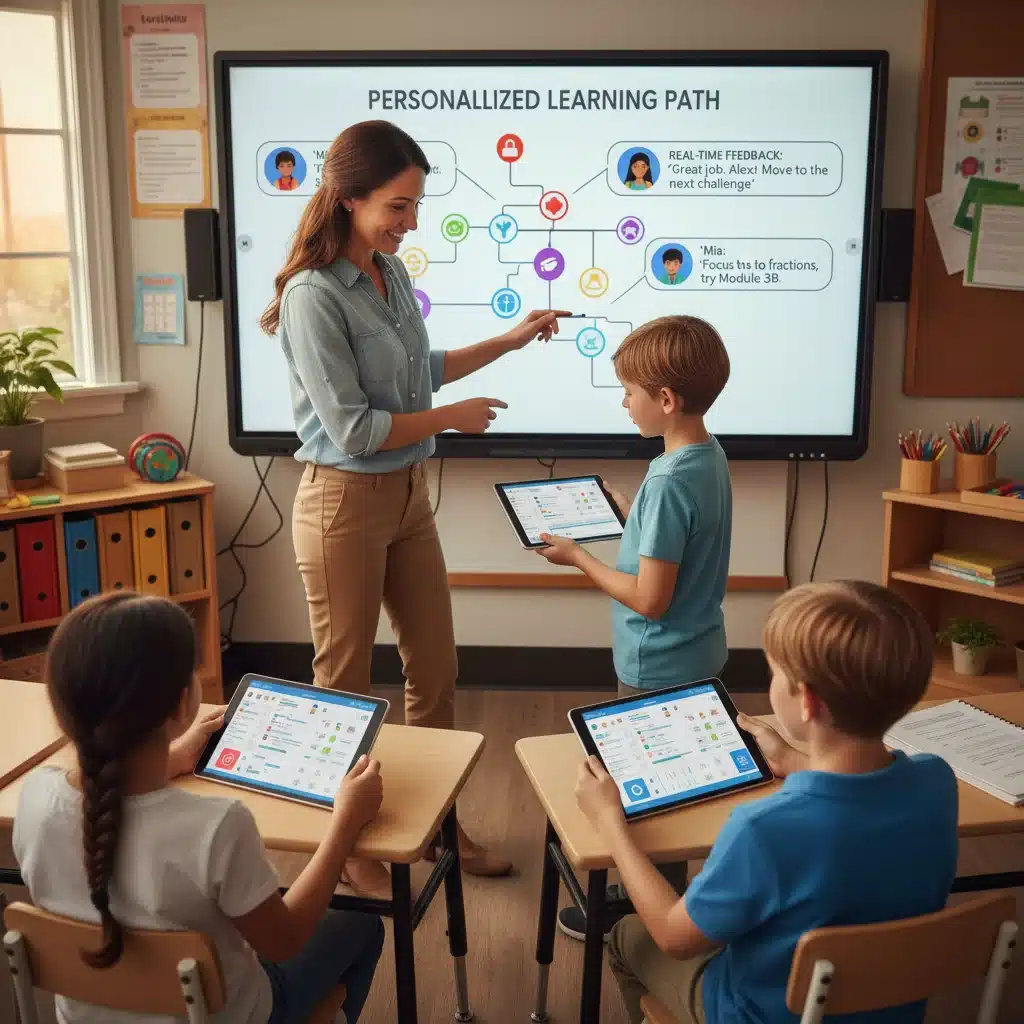
One of the most significant promises of AI in education is its ability to deliver truly personalized learning experiences. AI-powered adaptive learning platforms can assess a student’s current understanding, identify strengths and weaknesses, and then curate a customized learning path. This might involve providing remedial exercises, offering advanced challenges, or presenting information in different formats (e.g., video, interactive simulations, text) based on a student’s preferred learning style.
- Tailored Content Delivery: AI can recommend specific articles, videos, or interactive modules based on a student’s progress and interests.
- Pacing and Scaffolding: Students can move at their own pace, with AI providing necessary scaffolding for difficult concepts and accelerating through mastered material.
- Real-time Feedback: Immediate, constructive feedback on assignments and activities allows students to correct misunderstandings promptly, fostering a growth mindset.
Intelligent Tutoring Systems and Virtual Assistants
AI-driven tutoring systems can provide supplementary support outside of direct teacher interaction. These systems can answer student questions, explain complex topics, and even engage in Socratic dialogue to encourage deeper understanding. Virtual assistants can also help students with organizational tasks, remind them of deadlines, and provide access to learning resources.
- 24/7 Support: Students can access tutoring and assistance whenever they need it, breaking down traditional time barriers to learning.
- Targeted Intervention: AI can identify students who are struggling and proactively offer additional support or alert teachers to potential issues.
- Language Learning: AI-powered tools can offer immersive language practice, pronunciation feedback, and cultural insights.
Automated Assessment and Data Analytics
AI can revolutionize the assessment process, moving beyond simple multiple-choice grading. AI tools can analyze open-ended responses, essays, and even project-based work, providing more nuanced feedback and saving teachers countless hours. Furthermore, AI can process vast amounts of student data to identify trends, predict academic performance, and inform instructional strategies.
- Efficient Grading: AI can grade objective assessments instantly and provide preliminary feedback on subjective assignments.
- Performance Prediction: By analyzing historical data, AI can predict which students are at risk of falling behind, allowing for early intervention.
- Curriculum Optimization: Data insights can help educators identify which teaching methods and materials are most effective for different student populations, leading to continuous curriculum improvement.
Content Creation and Curriculum Development
AI can become a powerful ally in the development of engaging and relevant curriculum materials. From generating initial lesson plan drafts to creating interactive simulations and virtual field trips, AI can significantly reduce the time and resources required for content creation.
- Lesson Plan Generation: AI can assist in drafting lesson plans, objectives, and assessment questions based on specific learning standards.
- Interactive Resources: AI tools can help create dynamic learning objects, such as simulations, quizzes, and multimedia presentations, making lessons more engaging.
- Accessibility Enhancements: AI can automatically adapt content for students with diverse needs, such as generating audio descriptions for images or translating materials into different languages.
Challenges and Ethical Considerations for AI K-12 Curriculum
While the potential benefits are immense, the integration of AI K-12 curriculum is not without its challenges. Addressing these proactively is crucial for successful and equitable implementation.
Equity and Access
One of the most pressing concerns is ensuring equitable access to AI technologies. The digital divide, which disproportionately affects low-income and rural communities, could be exacerbated if not addressed. Schools must ensure that all students have access to the necessary devices, internet connectivity, and technical support to utilize AI tools effectively. Funding for infrastructure and professional development will be critical.
Data Privacy and Security
AI systems rely heavily on data, including sensitive student information. Protecting this data from breaches and misuse is paramount. Schools must implement robust data privacy policies, adhere to regulations like FERPA, and choose AI vendors with strong security protocols. Educating students, parents, and staff about data privacy best practices will also be essential.
Teacher Training and Professional Development
Many educators may feel unprepared to integrate AI into their teaching practices. Comprehensive and ongoing professional development is necessary to equip teachers with the skills and confidence to use AI tools effectively, understand their ethical implications, and design AI-enhanced learning experiences. This training should go beyond technical skills to encompass pedagogical approaches for AI integration.
Bias in AI Algorithms
AI algorithms are trained on data, and if that data reflects existing societal biases, the AI can perpetuate or even amplify those biases. This is particularly concerning in educational settings, where biased algorithms could lead to unfair assessments, discriminatory recommendations, or perpetuate stereotypes. Educators must be aware of this potential and advocate for transparent, ethical AI development, and critically evaluate the outputs of AI tools.
Maintaining Human Connection and Critical Thinking
While AI can personalize learning, it’s vital not to lose sight of the importance of human connection and the development of critical thinking skills. Over-reliance on AI could diminish opportunities for social-emotional learning, collaborative problem-solving, and the development of independent thought. The role of the teacher shifts from content delivery to facilitator, mentor, and guide, fostering creativity and higher-order thinking that AI cannot replicate.
Practical Solutions for Educators: Navigating the AI K-12 Curriculum Landscape
The successful integration of AI K-12 curriculum hinges on proactive planning and practical strategies. Here are actionable solutions for educators to embrace this technological shift.
1. Embrace Professional Development and Lifelong Learning
Educators should actively seek out professional development opportunities focused on AI in education. This includes workshops, online courses, and conferences. Districts should prioritize funding and time for these initiatives. The goal is not to become AI experts, but to understand AI’s capabilities, limitations, and ethical implications, and how it can be leveraged to enhance teaching and learning.
- Start Small: Begin by experimenting with one or two AI tools that align with existing curriculum goals.
- Peer Learning: Create professional learning communities (PLCs) where teachers can share experiences, strategies, and challenges related to AI integration.
- Stay Updated: The field of AI is rapidly evolving. Educators should commit to continuous learning to stay abreast of new developments and best practices.
2. Focus on Foundational Digital Literacy and AI Literacy
Before diving deep into complex AI applications, ensure students have a strong foundation in digital literacy. This includes understanding how to navigate digital environments, evaluate online information critically, and practice responsible digital citizenship. Alongside this, introduce age-appropriate AI literacy, teaching students what AI is, how it works, its uses, and its ethical considerations.
- Critical Evaluation: Teach students to critically evaluate information generated by AI, understanding that it can sometimes be biased or inaccurate.
- Ethical Discussions: Integrate discussions about the ethical implications of AI into various subjects, fostering responsible technology use.
- Hands-on Exploration: Allow students to experiment with simple AI tools (e.g., image generators, chatbots) to understand their mechanisms.
3. Prioritize Pedagogical Integration Over Tool-Centric Approaches
The focus should always be on how AI can enhance learning outcomes, not merely on using the latest gadget. Educators should integrate AI tools strategically to support specific pedagogical goals, such as fostering personalized learning, promoting project-based learning, or improving formative assessment. AI should serve the curriculum, not dictate it.
- Problem-Based Learning: Use AI as a tool for students to research, analyze data, and solve real-world problems.
- Differentiated Instruction: Leverage AI to create differentiated materials and activities that cater to diverse student needs within the same classroom.
- Feedback Loops: Utilize AI to provide immediate and targeted feedback, empowering students to take ownership of their learning.
4. Advocate for Equitable Access and Infrastructure
Educators should be advocates within their schools and districts for equitable access to AI technologies. This includes pushing for adequate funding for devices, reliable internet access, and technical support. Without a robust and equitable infrastructure, the promise of AI K-12 curriculum will remain out of reach for many students.
- Community Partnerships: Explore collaborations with local businesses or non-profits to secure resources and internet access for students.
- Grant Applications: Seek out grants specifically designed to support technology integration and digital equity in schools.
- Policy Influence: Engage with school board members and policymakers to highlight the importance of investing in AI-ready infrastructure.
5. Collaborate with AI Developers and Researchers
Educators are on the front lines of learning. Their insights are invaluable for AI developers creating educational tools. Schools and districts should seek opportunities to collaborate with developers, providing feedback on the usability, effectiveness, and ethical implications of AI tools in real classroom settings. This partnership can lead to the development of more relevant and impactful AI solutions for education.
- Beta Testing Programs: Participate in pilot programs for new AI educational tools, providing direct feedback to developers.
- Share Best Practices: Document and share successful AI integration strategies with the broader educational and AI development communities.
- Influence Design: Ensure that AI tools are designed with pedagogical principles and student well-being at their core.
6. Emphasize Human Skills in an AI-Augmented World
As AI handles more routine tasks, the demand for uniquely human skills will increase. Educators must prioritize teaching creativity, critical thinking, problem-solving, emotional intelligence, collaboration, and ethical reasoning. These are the skills that AI cannot replicate and will be essential for students’ future success.
- Project-Based Learning: Design projects that require students to collaborate, innovate, and apply critical thinking to complex challenges.
- Debate and Discussion: Foster classroom environments where students can engage in thoughtful discussions, express diverse perspectives, and develop empathy.
- Ethical Dilemmas: Present ethical dilemmas related to AI and encourage students to analyze, debate, and propose solutions.

The Future Classroom: A Vision for 2026 and Beyond
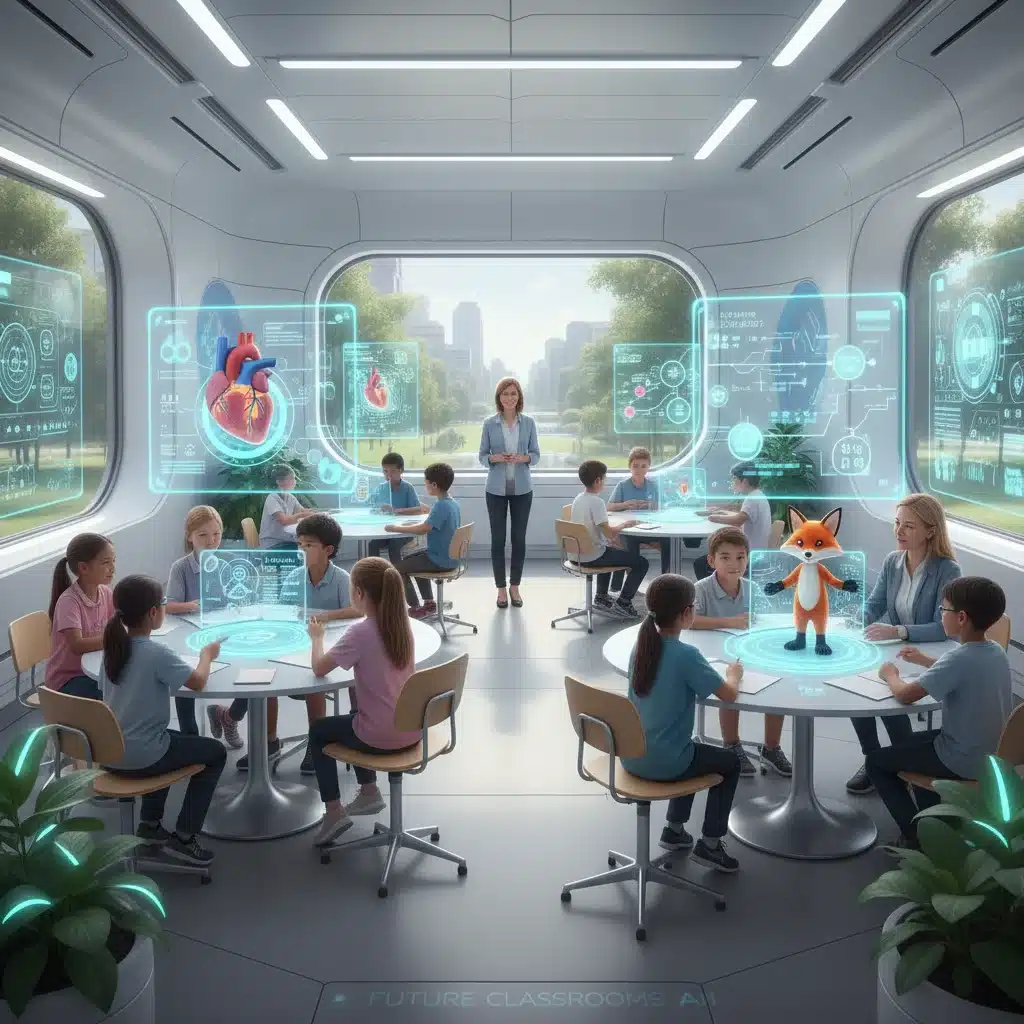
By 2026, the classroom will likely be a hybrid environment where traditional teaching methods are seamlessly integrated with AI-powered tools. Teachers will act as facilitators and mentors, guiding students through personalized learning journeys. Students will engage with adaptive content, receive instant feedback, and collaborate on projects augmented by AI. The emphasis will shift from rote memorization to critical thinking, creativity, and the application of knowledge.
Imagine a history class where students use AI to analyze historical documents, identify patterns, and even simulate historical events, rather than just reading about them in a textbook. Or a science class where AI-powered virtual labs allow students to conduct complex experiments safely and repeatedly, fostering a deeper understanding of scientific principles. In English, AI could help students refine their writing, offering suggestions for grammar, style, and even thematic development, while the teacher focuses on fostering original thought and creative expression.
The role of the AI K-12 curriculum is not to replace the human element of education but to enhance it. It’s about empowering teachers with tools that allow them to be more effective, more efficient, and more responsive to the individual needs of their students. It’s about preparing students not just for tests, but for a world where AI is a fundamental part of innovation and progress.
Conclusion: Embracing the AI Revolution in K-12 Education
The integration of AI K-12 curriculum in US public schools by 2026 is an inevitable and exciting development. While challenges related to equity, data privacy, and teacher training must be addressed thoughtfully, the opportunities for personalized learning, enhanced efficiency, and preparing students for the future are too significant to ignore. Educators are at the forefront of this revolution, and their proactive engagement, commitment to professional development, and focus on ethical implementation will be key to harnessing AI’s full potential.
By embracing AI as a powerful ally, not a threat, educators can transform classrooms into dynamic, adaptive learning environments that cater to every student’s unique needs and aspirations. The future of education is intelligent, personalized, and deeply human – and it’s happening now. Let us collectively work towards a future where every student benefits from the transformative power of AI, guided by skilled and empowered educators.