Automation’s Impact: New Jobs & Skills in US Service Sectors by 2026

Automation’s Role in U.S. Service Sectors: New Job Creations and Skill Demands for 2026
The landscape of the U.S. labor market is in constant flux, but few forces are shaping its future as profoundly as automation. Far from being a mere buzzword, automation, powered by advancements in artificial intelligence (AI), robotics, and sophisticated algorithms, is fundamentally altering job functions, creating entirely new roles, and demanding a significant evolution in the skills required for success. This isn’t just a phenomenon affecting manufacturing; its reach extends deeply into the expansive and diverse U.S. service sectors, from healthcare and finance to retail and customer service. As we look towards 2026, understanding automation’s role in U.S. service sectors becomes paramount for policymakers, businesses, and individuals alike.
The narrative around automation often oscillates between two extremes: mass job displacement or unprecedented economic growth. The reality, as always, is more nuanced. While some routine, repetitive tasks are indeed susceptible to automation, the technology also acts as a powerful catalyst for innovation, efficiency, and the creation of jobs that require uniquely human skills. The key lies in recognizing this transformation and proactively preparing the workforce for the demands of tomorrow. This comprehensive analysis will delve into the specific ways automation is influencing job creation and skill demands across various U.S. service sectors, offering a forward-looking perspective on what to expect by 2026.
The Evolving Definition of Automation in Service Industries
Before exploring the specific impacts, it’s crucial to define what we mean by automation in the context of service sectors. Unlike the industrial robots on an assembly line, service sector automation often manifests in less tangible forms. It includes Robotic Process Automation (RPA) handling administrative tasks, AI-powered chatbots managing customer inquiries, machine learning algorithms optimizing logistics, predictive analytics informing strategic decisions, and even sophisticated software automating complex financial transactions. These technologies are designed not necessarily to replace human workers entirely, but to augment human capabilities, streamline operations, reduce errors, and free up human capital for more complex, creative, and interpersonal tasks.
The rapid advancements in AI, particularly in natural language processing and machine learning, have accelerated the pace at which these technologies can be integrated into service-oriented roles. This integration is driven by several factors: the need for increased efficiency, cost reduction, improved accuracy, and the desire to provide enhanced customer experiences. Consequently, the impact of automation US jobs in service sectors is becoming increasingly visible and impactful.
Automation’s Dual Impact: Job Displacement and Creation
The fear of job displacement is a valid concern for many workers. Indeed, roles that are highly routine, predictable, and involve processing large volumes of data are most vulnerable to automation. Examples include certain data entry positions, basic customer service inquiries, and some administrative support functions. However, this is only one side of the coin. Automation is also a significant engine for job creation, albeit for different kinds of jobs.
New Job Categories Emerging from Automation
As automation takes over mundane tasks, new opportunities arise in areas related to managing, maintaining, developing, and leveraging these automated systems. By 2026, we anticipate a surge in demand for roles such as:
- Automation Specialists/Engineers: Professionals who design, develop, implement, and maintain automation solutions across various platforms.
- AI Trainers and Data Annotators: Individuals responsible for feeding and refining the data that powers AI systems, ensuring their accuracy and ethical performance.
- Robot Coordinators/Managers: Overseeing fleets of service robots, ensuring their optimal operation and integration with human teams.
- AI Ethicists and Governance Specialists: Addressing the complex ethical, legal, and societal implications of AI and automation.
- User Experience (UX) Designers for AI: Crafting intuitive and effective interfaces for human interaction with automated systems.
- Data Scientists and Analysts: Interpreting the vast amounts of data generated by automated processes to drive business insights and strategic decisions.
- Cybersecurity Analysts: Protecting increasingly interconnected automated systems from cyber threats.
These roles often require a blend of technical expertise, analytical thinking, and problem-solving skills, highlighting the shifting nature of work. The focus moves from repetitive execution to strategic oversight, system optimization, and creative problem-solving.
Sector-Specific Impacts and Job Outlook by 2026
The impact of automation will not be uniform across all U.S. service sectors. Each industry has unique characteristics and adopts technology at different rates. Let’s examine some key sectors:
Healthcare Sector
In healthcare, automation is already transforming diagnostics, patient care, and administrative tasks. By 2026, we can expect:
- Increased demand for health informatics specialists: Managing and analyzing electronic health records (EHRs) and other health data.
- Robotics technicians for surgical and assistive devices: Maintaining and operating advanced medical robots.
- AI-powered diagnostic support roles: Assisting doctors in identifying diseases more accurately and quickly.
- Telehealth support specialists: Facilitating remote patient care through digital platforms.
- While routine administrative roles might see some automation, the demand for nurses, doctors, and other direct patient care providers is expected to remain robust, focusing on empathy, complex decision-making, and interpersonal communication.
Financial Services
The financial sector has been an early adopter of automation, and this trend will intensify:
- Fintech developers and blockchain specialists: Creating and managing innovative financial technologies.
- Quantitative analysts (Quants): Leveraging AI for algorithmic trading, risk assessment, and market prediction.
- AI-driven fraud detection specialists: Protecting financial institutions and customers from sophisticated cybercrime.
- Personalized financial advisors: Focusing on complex client relationships and tailored advice, augmented by AI tools for portfolio management.
- Roles involving repetitive data processing, such as basic bookkeeping and transaction verification, will likely see significant automation.
Retail and Customer Service
Automation in retail is evolving beyond self-checkout kiosks:
- E-commerce specialists and digital merchandisers: Optimizing online shopping experiences, often using AI for personalization.
- Supply chain optimization experts: Utilizing AI to manage inventory, logistics, and delivery more efficiently.
- Customer experience (CX) strategists: Designing seamless customer journeys that integrate human and automated touchpoints.
- Robot maintenance technicians: For in-store robots handling inventory, cleaning, or customer assistance.
- While basic call center roles might be automated by chatbots, human customer service will shift towards handling complex issues, building relationships, and providing empathetic support.
Transportation and Logistics
This sector is on the cusp of major automated transformation:
- Autonomous vehicle operators and fleet managers: Overseeing self-driving trucks, drones, and delivery robots.
- Logistics and supply chain AI integration specialists: Implementing AI to optimize routes, warehouse operations, and inventory.
- Predictive maintenance technicians: Using AI to foresee and prevent equipment failures.
- The demand for human drivers for long-haul and complex urban routes may decrease, but new roles in monitoring, maintenance, and strategic planning will emerge.
The Growing Demand for New Skill Sets
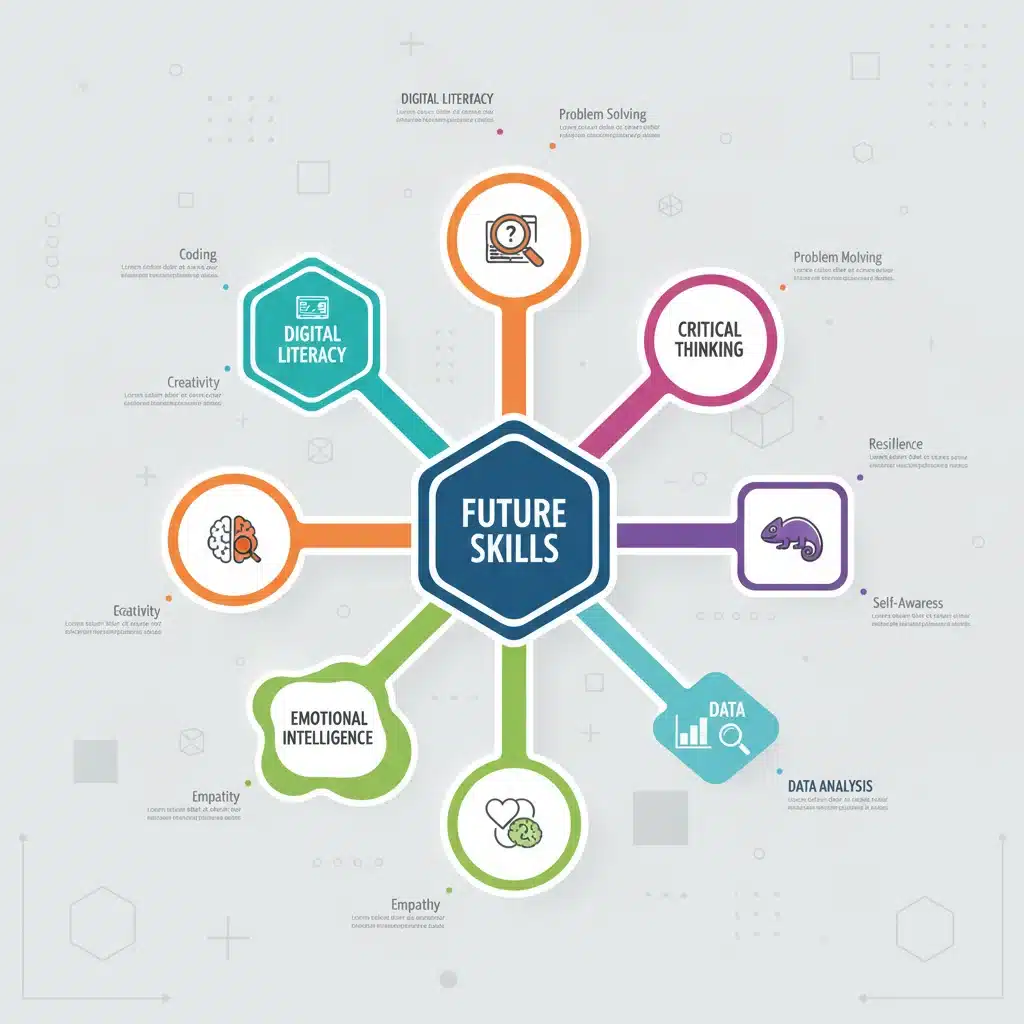
The most critical aspect of adapting to automation’s role in U.S. service sectors is the evolution of required skills. The future workforce will need a blend of technical proficiency and uniquely human attributes. By 2026, the following skill categories will be in high demand:
1. Digital Literacy and Technical Proficiency
A foundational understanding of digital tools and technologies is no longer optional. This includes:
- Data Literacy: The ability to read, work with, analyze, and argue with data. Understanding how to interpret dashboards, reports, and predictive models.
- AI/Machine Learning Fundamentals: Not necessarily programming AI, but understanding how AI systems work, their capabilities, and their limitations.
- Cloud Computing Proficiency: Familiarity with cloud-based platforms and services that underpin many automated systems.
- Cybersecurity Awareness: Understanding basic cybersecurity principles to protect digital assets and data.
2. Critical Thinking and Problem-Solving
As automation handles routine processes, humans will be tasked with more complex, unstructured problems. This requires:
- Analytical Reasoning: The ability to break down complex problems, evaluate information, and draw logical conclusions.
- Innovation and Creativity: Developing novel solutions, thinking outside the box, and adapting to new challenges.
- Systems Thinking: Understanding how different components of a system (human, automated, and organizational) interact and influence each other.
3. Adaptability and Lifelong Learning
The pace of technological change means that skills can quickly become obsolete. A growth mindset and a commitment to continuous learning are paramount:
- Agility: The capacity to quickly adjust to new tools, processes, and priorities.
- Resilience: The ability to bounce back from setbacks and embrace change as an opportunity.
- Self-Directed Learning: Taking initiative to acquire new knowledge and skills independently.
4. Social and Emotional Intelligence
These are uniquely human skills that automation cannot replicate:
- Empathy: Understanding and sharing the feelings of others, crucial for customer service, healthcare, and team collaboration.
- Collaboration and Teamwork: Working effectively with diverse teams, including human-AI collaboration.
- Communication: Clearly articulating ideas, active listening, and persuasive speaking, especially when interacting with automated systems or explaining complex technical concepts to non-technical stakeholders.
- Leadership and Influence: Guiding teams, motivating others, and fostering a positive work environment.
5. Entrepreneurial Mindset
Even within established organizations, an entrepreneurial spirit will be valuable:
- Proactiveness: Identifying opportunities for improvement and taking initiative.
- Risk-Taking (Calculated): Willingness to experiment and embrace new approaches.
- Resourcefulness: Finding creative ways to achieve goals with available resources.
Strategies for Workforce Development and Adaptation
Given the significant shifts anticipated by 2026, proactive strategies are essential for both individuals and organizations to thrive in an automated future.
For Individuals:
- Embrace Lifelong Learning: Continuously seek opportunities to upskill and reskill. Online courses (MOOCs), certifications, and vocational training programs are invaluable.
- Focus on Human-Centric Skills: Cultivate empathy, critical thinking, creativity, and communication – skills that are inherently human and complementary to automation.
- Develop Digital Fluency: Gain a working understanding of data, AI, and digital tools relevant to your industry.
- Network and Collaborate: Build connections with professionals in emerging fields and collaborate on projects that expose you to new technologies.
- Seek Hybrid Roles: Look for opportunities that combine technical skills with human interaction and problem-solving.
For Businesses:
- Invest in Reskilling and Upskilling Programs: Rather than solely focusing on hiring new talent, invest in training your existing workforce for new roles created by automation.
- Foster a Culture of Continuous Learning: Encourage employees to adapt and learn new skills through internal training, external courses, and mentorship programs.
- Redesign Job Roles: Re-evaluate existing job descriptions to incorporate human-AI collaboration and focus on higher-value tasks.
- Strategic Automation Implementation: Implement automation not just for cost-cutting, but as a tool to augment human capabilities and improve overall service quality.
- Promote Cross-Functional Collaboration: Break down departmental silos to encourage diverse teams to work together on automation initiatives.
- Prioritize Ethical AI Deployment: Ensure that automation is implemented responsibly, considering its impact on employees, customers, and society.
The Economic and Social Implications
The widespread adoption of automation in U.S. service sectors by 2026 will have profound economic and social implications. Economically, it promises increased productivity, potentially leading to higher wages for skilled workers and greater competitiveness for businesses. However, it also raises concerns about income inequality if the benefits of automation are not widely distributed and if a significant portion of the workforce is left behind due to a lack of relevant skills.
Socially, the shift in job roles will redefine the nature of work. There will be a greater emphasis on creativity, critical thinking, and interpersonal skills, potentially making work more engaging and less monotonous for many. However, it also necessitates a robust social safety net and educational reforms to ensure that all individuals have the opportunity to adapt and thrive in this new environment. Governments, educational institutions, and private industry must collaborate to create pathways for skill development and career transitions.
Case Studies and Real-World Examples
To illustrate the concepts discussed, let’s consider a few real-world examples of automation’s impact in U.S. service sectors:
- Healthcare: Hospitals are using RPA to automate patient registration, billing, and scheduling, freeing up administrative staff to focus on direct patient interaction and complex case management. AI-powered systems are assisting radiologists in detecting anomalies in medical images, improving diagnostic accuracy.
- Banking: Major banks employ chatbots for initial customer support, handling routine inquiries and directing customers to the right department. This allows human agents to focus on more complex financial advice and problem resolution. AI is also heavily used in fraud detection, analyzing vast amounts of transaction data to identify suspicious patterns in real-time.
- Retail: E-commerce giants use AI for personalized product recommendations, optimizing inventory management, and streamlining logistics. Warehouses are increasingly automated with robots handling picking and packing, while human workers manage the automated systems and handle exceptions.
- Legal Services: Legal tech companies are using AI to automate document review, legal research, and contract analysis, significantly reducing the time and cost associated with these tasks. This allows lawyers to focus on strategic advice, courtroom advocacy, and complex negotiations.
These examples underscore a crucial point: automation is not about replacing humans entirely, but rather about redefining human roles to leverage their unique cognitive and emotional strengths. The focus shifts from ‘doing the work’ to ‘managing the work’ and ‘innovating the work’.
Challenges and Considerations
While the benefits of automation are clear, several challenges must be addressed:
- Ethical AI: Ensuring AI systems are fair, transparent, and unbiased, especially in critical sectors like healthcare and finance.
- Data Privacy and Security: Protecting sensitive information processed by automated systems.
- Digital Divide: Preventing a widening gap between those with access to technology and skills, and those without.
- Workforce Transition: Managing the transition for workers whose roles are significantly altered or displaced by automation, requiring robust retraining and support programs.
- Regulatory Frameworks: Developing appropriate regulations to govern the deployment and use of advanced automation technologies.
Addressing these challenges requires a concerted effort from government, industry, academia, and civil society. A collaborative approach is essential to harness the full potential of automation while mitigating its risks.
Conclusion: A Future of Augmented Human Potential
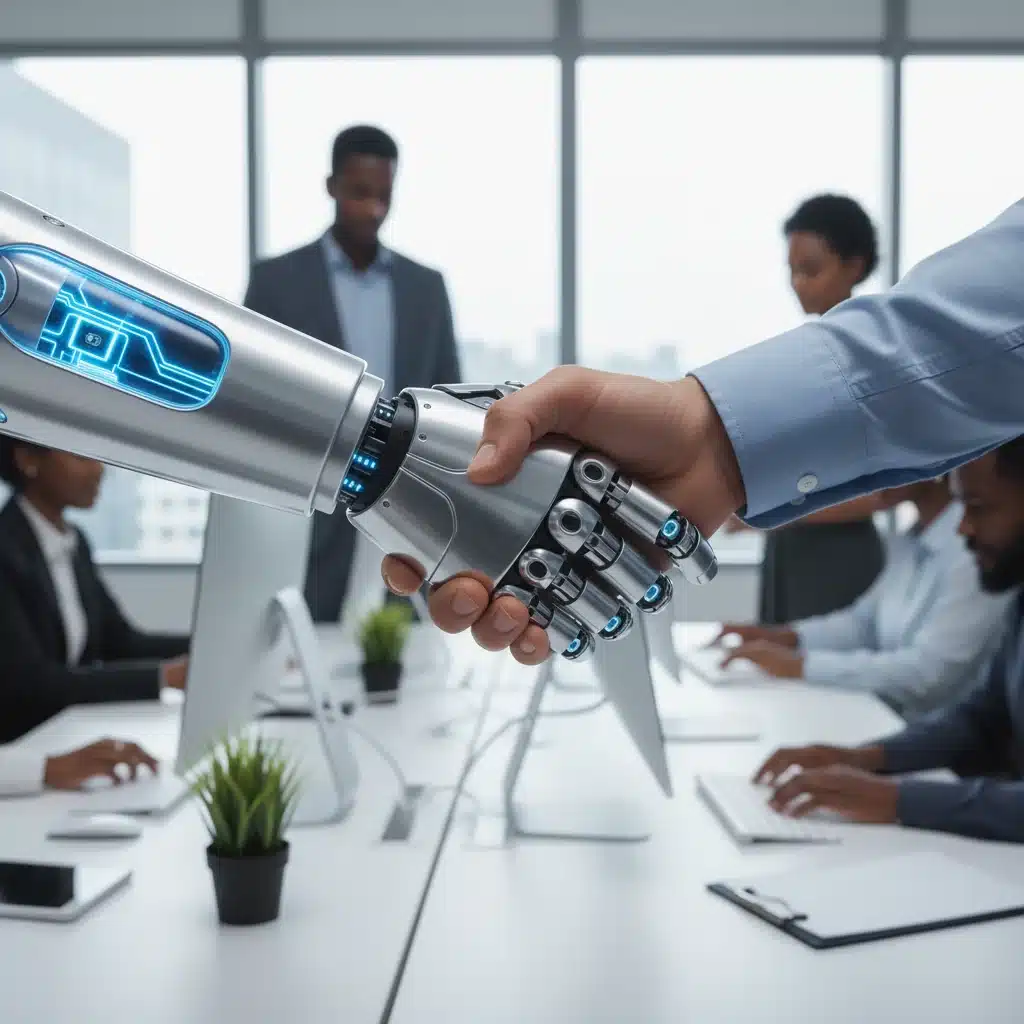
By 2026, automation’s role in U.S. service sectors will be more deeply embedded and transformative than ever before. While it will undoubtedly lead to the automation of many routine tasks, it is poised to be a powerful engine for new job creation, demanding an evolved set of skills that emphasize uniquely human capabilities. The future workforce will be characterized by a symbiotic relationship between humans and intelligent machines, where technology augments human potential rather than diminishes it.
For individuals, proactive skill development in digital literacy, critical thinking, adaptability, and emotional intelligence will be key to navigating this evolving landscape. For businesses, strategic investment in reskilling, fostering a learning culture, and ethical deployment of automation will be crucial for sustained growth and competitiveness. The journey towards 2026 is one of continuous adaptation and innovation, where the U.S. service sectors can emerge stronger, more efficient, and more human-centric through the intelligent integration of automation.
The narrative is not one of humans versus machines, but rather humans with machines, creating a more productive, innovative, and ultimately, more fulfilling work environment. The time to prepare for this future is now.
Author