Competency-Based Education: 4 Key Benefits for US Students in 2026
Anúncios
The Rise of Competency-Based Education: 4 Key Benefits for US Students in 2026 (RECENT UPDATES)
The landscape of education in the United States is undergoing a profound transformation, driven by an urgent need to better prepare students for an increasingly complex and rapidly evolving world. Traditional models, often characterized by time-based progression and standardized testing, are increasingly being challenged by innovative approaches that prioritize genuine understanding and demonstrable skill acquisition. Among these, competency-based education (CBE) stands out as a powerful paradigm shift, gaining significant traction across K-12 and higher education institutions.
Anúncios
As we look towards 2026, the adoption and refinement of CBE models are projected to offer substantial advantages for US students. This article delves into four crucial benefits that underscore the importance and effectiveness of competency-based education, highlighting how this approach fosters deeper learning, greater engagement, and superior preparedness for both college and career pathways. Recent updates and ongoing pilot programs across various states indicate a growing consensus on the efficacy of CBE in addressing the diverse needs of modern learners.
At its core, competency-based education moves beyond seat time and age-based progression, focusing instead on whether a student has mastered specific learning objectives or ‘competencies.’ This means students advance when they can demonstrate proficiency in a subject, rather than simply moving on because a certain amount of time has passed. This student-centered approach is not just a theoretical ideal; it’s a practical framework that empowers learners and provides educators with clearer insights into student progress and needs.
Anúncios
Understanding these benefits is crucial for parents, educators, policymakers, and students themselves. As the educational system continues to adapt to the demands of the 21st century, competency-based education offers a robust framework for ensuring that every student acquires the knowledge, skills, and dispositions necessary for success.
Benefit 1: Personalized Learning Pathways and Self-Paced Progression
One of the most transformative aspects of competency-based education is its inherent capacity to provide highly personalized learning pathways. In traditional education, all students are expected to learn the same material at roughly the same pace, regardless of their prior knowledge, learning style, or individual readiness. This often leads to some students falling behind and others becoming disengaged due to a lack of challenge. CBE, however, fundamentally alters this dynamic.
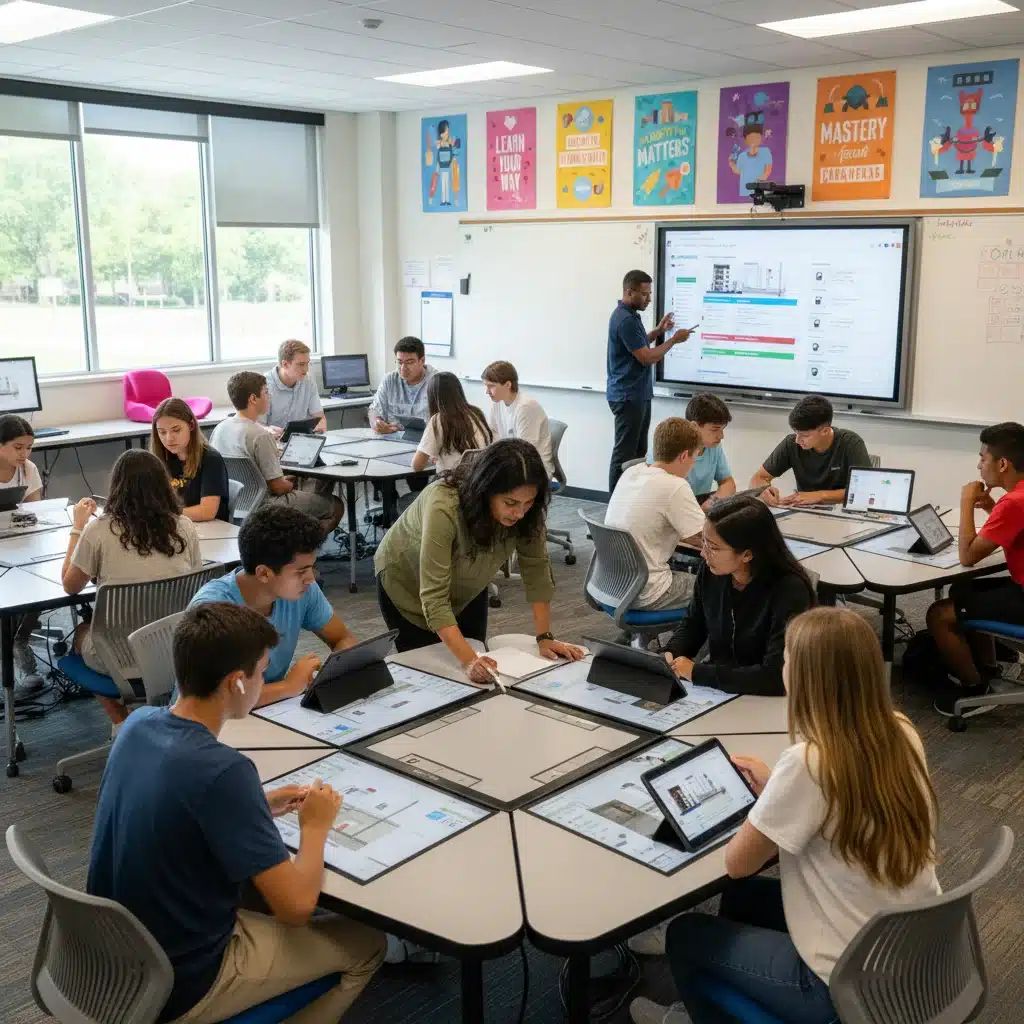
With competency-based education, students are empowered to progress at their own pace. Those who grasp concepts quickly can move ahead, delving deeper into subjects or exploring advanced topics. Conversely, students who require more time or different instructional approaches receive the necessary support and resources to achieve mastery without feeling rushed or left behind. This self-paced progression acknowledges the natural variations in learning and allows educators to tailor instruction to individual needs, rather than a one-size-fits-all curriculum.
This personalization extends beyond just pacing. CBE models often incorporate diverse learning resources and instructional strategies. Students might engage with online modules, project-based learning, one-on-one tutoring, group collaborations, or real-world simulations, all chosen to best help them achieve a particular competency. This flexibility caters to different learning styles and intelligences, making education more accessible and effective for a broader range of students, including those with learning disabilities or those who thrive in less conventional environments.
The shift towards personalized learning is not merely about student comfort; it’s about optimizing learning outcomes. When students are actively involved in their learning journey and can see a clear path to mastering specific competencies, their motivation and engagement naturally increase. They develop a stronger sense of ownership over their education, fostering crucial self-regulation and metacognitive skills that are invaluable throughout life. By 2026, this personalized approach will be a cornerstone of effective education, addressing the long-standing challenge of meeting diverse student needs within a single classroom.

Benefit 2: Deeper Mastery of Essential Skills and Knowledge
The core philosophy of competency-based education revolves around mastery. Unlike systems where students might pass a course with a superficial understanding just to move on, CBE demands that students demonstrate a thorough grasp of each competency before advancing. This ‘mastery learning’ approach ensures that foundational knowledge and skills are firmly established, preventing gaps in understanding that can accumulate over time and hinder future learning.
In a CBE framework, competencies are clearly defined, often broken down into specific learning objectives that articulate what students should know and be able to do. Assessments in competency-based education are not just about recalling facts; they are designed to evaluate a student’s ability to apply knowledge, solve problems, think critically, and communicate effectively. This often involves performance-based tasks, projects, presentations, and portfolios that provide authentic evidence of learning.
Consider a student learning algebra. In a traditional system, they might pass a test on a concept like ‘solving linear equations’ with a 70% and move on, even if they haven’t fully mastered the skill. In a CBE model, that student would receive targeted feedback, additional resources, and opportunities to re-demonstrate proficiency until they achieve full mastery. This iterative process of learning, assessing, receiving feedback, and revising is central to deep learning and skill retention.
This focus on mastery has profound implications for student preparedness. When students graduate from a CBE program, they don’t just have a transcript; they have a robust portfolio of demonstrated skills and competencies. This makes them exceptionally well-prepared for higher education, where a strong foundation is critical, and for the workforce, where employers increasingly value demonstrable skills over mere credentials. By 2026, as industries continue to demand adaptable and skilled workers, the deep mastery fostered by competency-based education will be a significant advantage for US students entering the job market.
Benefit 3: Enhanced Student Engagement and Motivation
Student engagement is a perennial challenge in education. Disengagement often stems from a lack of relevance, a feeling of being rushed, or a perception that learning is a passive activity. Competency-based education addresses these issues head-on, fostering environments where students are more actively involved, motivated, and invested in their learning.
One key factor is the clarity of learning objectives. When students understand exactly what they are expected to learn and why it matters, they are more likely to be engaged. CBE makes competencies transparent, allowing students to see the direct connection between their learning activities and the skills they are developing. This transparency helps students set goals, monitor their own progress, and take ownership of their educational journey.
Furthermore, the ability to progress at their own pace (as discussed in Benefit 1) significantly boosts motivation. Students are not bored by waiting for others, nor are they overwhelmed by trying to keep up. They experience success more regularly as they master competencies, which builds confidence and encourages them to tackle new challenges. The focus on mastery also shifts the emphasis from grades to genuine learning, reducing anxiety and promoting a growth mindset.
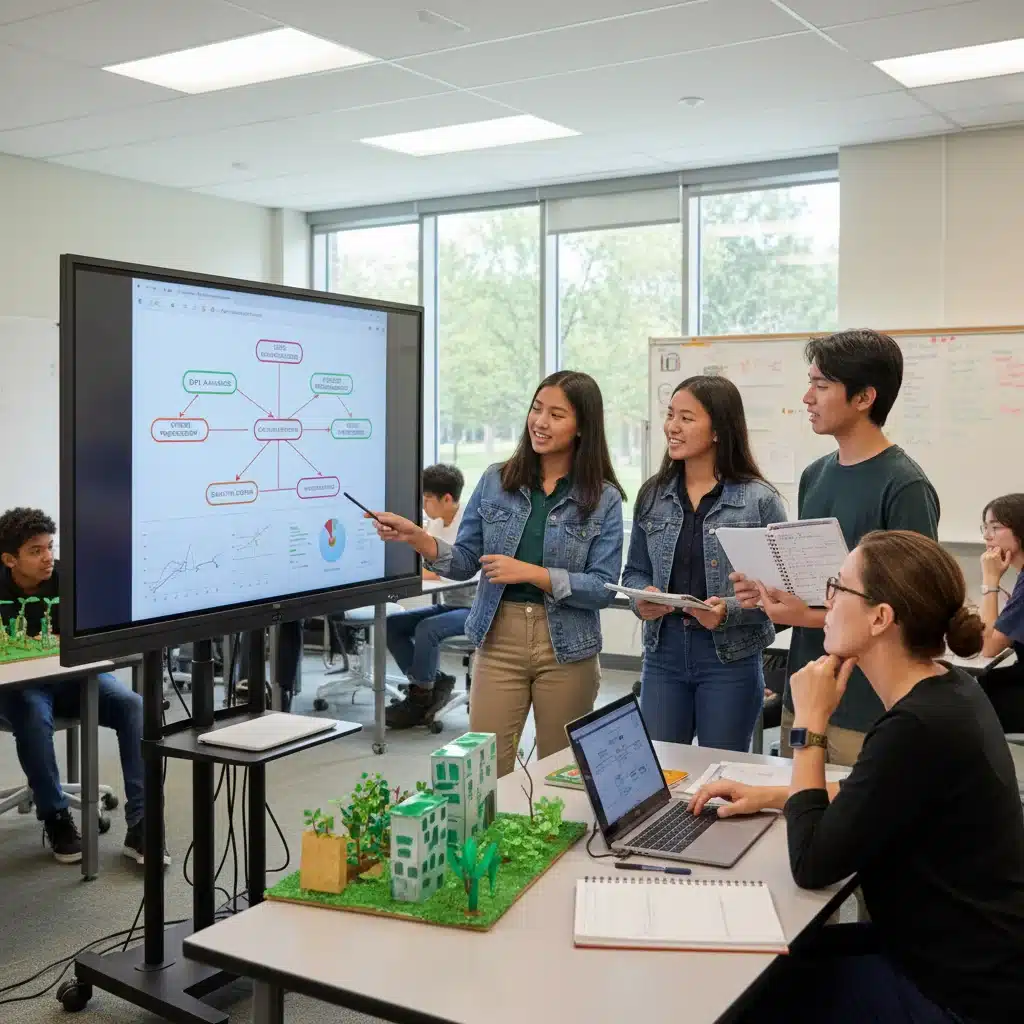
CBE often incorporates authentic, real-world tasks and project-based learning, which naturally increases engagement. When students are solving problems that have tangible relevance, collaborating with peers on meaningful projects, or applying their skills in simulated professional contexts, learning becomes more exciting and purposeful. This active learning approach transforms students from passive recipients of information into active constructors of knowledge and skills.
The immediate and constructive feedback inherent in competency-based education also plays a vital role in sustaining motivation. Instead of waiting for a final grade, students receive continuous feedback on their progress towards specific competencies, allowing them to adjust their strategies and see tangible improvements. This iterative feedback loop is crucial for learning and keeps students invested in their educational journey. By 2026, as digital tools further enhance feedback mechanisms and personalized learning paths, student engagement within CBE models is expected to reach new heights.
Benefit 4: Better Preparation for College and Career Success
The ultimate goal of education is to prepare students for successful futures, whether that involves higher education, vocational training, or direct entry into the workforce. Competency-based education is uniquely positioned to achieve this, offering a robust foundation that traditional models often struggle to provide.
For college-bound students, CBE fosters critical academic habits. The emphasis on self-paced learning, independent research, and problem-solving mirrors the demands of university-level study. Students emerging from CBE programs are often more self-directed, resilient, and adept at managing their own learning, traits highly valued in higher education. Moreover, the deep mastery of subjects ensures they have the foundational knowledge necessary to succeed in advanced coursework, rather than having to remediate gaps in their understanding.
Perhaps even more significantly, competency-based education is a powerful antidote to the ‘skills gap’ widely reported by employers. Modern workplaces demand not just factual knowledge, but a range of ’21st-century skills’ such as critical thinking, creativity, collaboration, communication, digital literacy, and adaptability. CBE models are explicitly designed to cultivate these skills. By focusing on demonstrable competencies rather than just content coverage, students are consistently challenged to apply their knowledge in practical contexts, work in teams, present their ideas, and solve complex problems.
The transparency of competencies also benefits students entering the workforce directly. They can articulate precisely what skills they possess and provide evidence of their proficiency, making them more attractive candidates to employers. Some CBE programs even integrate industry-recognized certifications or internships, further bridging the gap between education and employment. As the economy continues to shift, valuing adaptable skills over rote memorization, the benefits of competency-based education in career preparation will become even more pronounced by 2026.
Addressing Challenges and Future Outlook
While the benefits of competency-based education are compelling, its widespread implementation is not without challenges. These include developing robust and reliable assessment methods for competencies, providing adequate professional development for educators transitioning from traditional models, ensuring equitable access to resources, and aligning CBE with existing accountability systems. However, ongoing research, pilot programs, and technological advancements are steadily addressing these hurdles.
Many states and districts are actively experimenting with and scaling CBE models. For instance, states like New Hampshire and Maine have been at the forefront of implementing statewide competency-based systems, demonstrating both the potential and the practical considerations involved. Organizations and consortia are also working to develop shared frameworks and resources, facilitating the transition for more institutions.
Looking ahead to 2026, we can anticipate several key developments in competency-based education. Increased integration of artificial intelligence and adaptive learning technologies will further enhance personalization, providing students with even more tailored learning experiences and immediate feedback. The development of more sophisticated digital credentialing and ‘micro-credentials’ will allow students to showcase specific competencies to employers and higher education institutions in a granular and verifiable way. Furthermore, greater collaboration between K-12, higher education, and industry will ensure that competencies are continually aligned with real-world demands, making education even more relevant and impactful.
The conversation around equity will also remain central. Ensuring that all students, regardless of their background or circumstances, can benefit from the personalized and mastery-focused approach of CBE is paramount. This includes providing robust support systems, culturally responsive pedagogy, and equitable access to the digital tools and resources that often accompany CBE models.
Conclusion
The shift towards competency-based education represents a pivotal moment in US education. By prioritizing personalized learning, fostering deep mastery of essential skills, enhancing student engagement, and providing superior preparation for both college and careers, CBE offers a powerful framework for educating the next generation.
As we approach 2026, the four key benefits discussed – personalized learning pathways, deeper mastery, enhanced engagement, and improved preparedness – will become increasingly vital in equipping US students with the adaptability, critical thinking, and problem-solving skills necessary to thrive in an ever-changing world. While challenges remain, the clear advantages of competency-based education position it as a cornerstone of future-ready learning, promising a more effective, equitable, and engaging educational experience for all.
Embracing this transformative approach is not just about improving test scores; it’s about fundamentally rethinking how we empower students to become lifelong learners, critical thinkers, and active contributors to society. The future of education in the US is undeniably competency-based, and the benefits for students are profound and far-reaching.