
Education Benefits 2026: GI Bill vs. Pell Grant Updates for Over 1 Million Students
As we approach 2026, the landscape of higher education funding is continually evolving, bringing significant changes to critical financial aid programs. For over a million students across the United States, understanding these updates to the GI Bill and Pell Grant is not just beneficial, but essential. These two pillars of student financial support play distinct yet equally vital roles in making higher education accessible. The GI Bill primarily serves veterans, service members, and their families, honoring their service by investing in their future through education. The Pell Grant, on the other hand, is a cornerstone of federal student aid, designed to assist undergraduate students with exceptional financial need. Both programs are subject to periodic adjustments, and the education benefits 2026 updates promise to have a profound impact on countless individuals aiming to pursue or continue their academic journeys.
This comprehensive guide will delve into the anticipated changes, highlight the differences between these two powerful aid programs, and provide actionable advice on how prospective and current students can navigate the updated application processes. Whether you are a veteran transitioning to civilian life, a dependent of a service member, or an undergraduate student facing financial hurdles, staying informed about these 2026 updates is your first step towards securing the funding you need for your education. We will explore who is eligible, what benefits are available, and how to maximize your chances of receiving support. Let’s embark on this detailed exploration of the future of education funding.
Understanding the GI Bill: Honoring Service Through Education in 2026
The GI Bill, a landmark legislative act, has been instrumental in providing educational and housing benefits to service members, veterans, and their dependents since its inception. For 2026, several key adjustments are anticipated that will refine its reach and impact. These changes are typically driven by economic factors, legislative reviews, and an ongoing commitment to support those who have served our nation. The most prominent iteration, the Post-9/11 GI Bill (Chapter 33), offers a comprehensive package including tuition and fees, a housing allowance, and a stipend for books and supplies. Future updates for GI Bill 2026 are expected to address areas such as benefit duration, eligibility criteria, and the calculation of housing allowances, particularly in high-cost-of-living areas.
Who is Eligible for GI Bill Benefits in 2026?
Eligibility for the Post-9/11 GI Bill largely depends on your service record. Generally, you must have served at least 90 days on active duty after September 10, 2001, or have been discharged with a service-connected disability after 30 days of service. The percentage of benefits you receive is directly tied to your length of active-duty service. For 2026, it is crucial to monitor any potential modifications to these service requirements or the tiered benefit structure. Furthermore, the transferability of benefits to spouses or dependent children remains a vital component, allowing service members to share their earned education benefits 2026 with their families. This transfer option often requires specific service commitments and is subject to Department of Defense regulations.
Anticipated Changes to GI Bill Benefits for 2026
While specific legislative details are still being finalized, discussions around GI Bill updates for 2026 often revolve around ensuring the program remains robust and responsive to the needs of modern veterans. One area of potential change could be an adjustment to the Monthly Housing Allowance (MHA). The MHA is typically based on the E-5 Basic Allowance for Housing (BAH) with dependents rate for the zip code of the school. As housing costs fluctuate, there’s ongoing consideration to ensure the MHA adequately covers living expenses. Another potential update might involve expanding the types of educational programs covered, possibly including more non-traditional training or certifications that align with current workforce demands. The Forever GI Bill, enacted in 2017, eliminated the 15-year limit for using Post-9/11 GI Bill benefits for veterans who left service on or after January 1, 2013. For those who left before this date, the 15-year limit still applies. It’s essential to check if any education benefits 2026 legislation might further extend or modify these expiration dates, providing greater flexibility for older veterans.
Applying for GI Bill Benefits: A Step-by-Step Guide for 2026
The application process for GI Bill benefits generally involves several key steps. First, you’ll need to gather your service records, including your DD-214 (Certificate of Release or Discharge from Active Duty). Next, you apply online through the Department of Veterans Affairs (VA) website. The VA will then review your application and issue a Certificate of Eligibility (COE) if you qualify. This COE will detail your eligibility percentage and the remaining entitlement. For education benefits 2026, it is crucial to start this process well in advance of your desired enrollment date, as processing times can vary. Furthermore, once enrolled in a program, you must notify the VA of your enrollment status each month to continue receiving your benefits. Schools also play a vital role, with a certifying official at your institution who will submit your enrollment information to the VA. Maintaining open communication with both your school’s veteran’s office and the VA is paramount for a seamless experience.
The Pell Grant in 2026: A Foundation for Financial Need
The Pell Grant stands as the largest federal grant program, providing need-based financial aid to undergraduate students to promote access to higher education. Unlike loans, Pell Grants do not need to be repaid, making them an incredibly valuable resource. The maximum Pell Grant award is reviewed annually by Congress, and for Pell Grant 2026, we anticipate further adjustments aimed at increasing its purchasing power and reaching more students. These adjustments are often influenced by inflation, the cost of attendance, and broader economic policies. The goal remains to ensure that financial barriers do not prevent eligible students from pursuing a college degree.
Pell Grant Eligibility and Award Amounts for 2026
Eligibility for the Pell Grant is determined by your Expected Family Contribution (EFC), which is calculated based on the information you provide on the Free Application for Federal Student Aid (FAFSA). Your EFC, along with the cost of attendance at your chosen institution and your enrollment status (full-time or part-time), dictates your Pell Grant award amount. For education benefits 2026, the EFC calculation methodology may see refinements. The maximum Pell Grant award for the 2023-2024 award year was $7,395, and there is a strong push to increase this amount in subsequent years to keep pace with rising tuition costs. It’s also important to note that students are generally limited to receiving Pell Grant funds for a maximum of 12 semesters or the equivalent, a limit that is unlikely to change significantly in 2026 but is always worth monitoring.
Anticipated Changes and Enhancements to Pell Grant for 2026
One of the most significant ongoing discussions regarding the Pell Grant is the potential for a substantial increase in the maximum award. Advocates argue that an increased Pell Grant would significantly alleviate student debt burdens and improve access for low-income students. Furthermore, there’s ongoing consideration for simplifying the FAFSA process, which began with the FAFSA Simplification Act, to make it easier for students to apply and understand their eligibility. For education benefits 2026, these simplification efforts are expected to be fully implemented, potentially streamlining the entire financial aid application experience. Another area of focus is expanding eligibility to certain short-term, high-quality job training programs, recognizing the diverse pathways students take to career success. While such expansions are debated, any changes would broaden the impact of the Pell Grant beyond traditional four-year degrees.
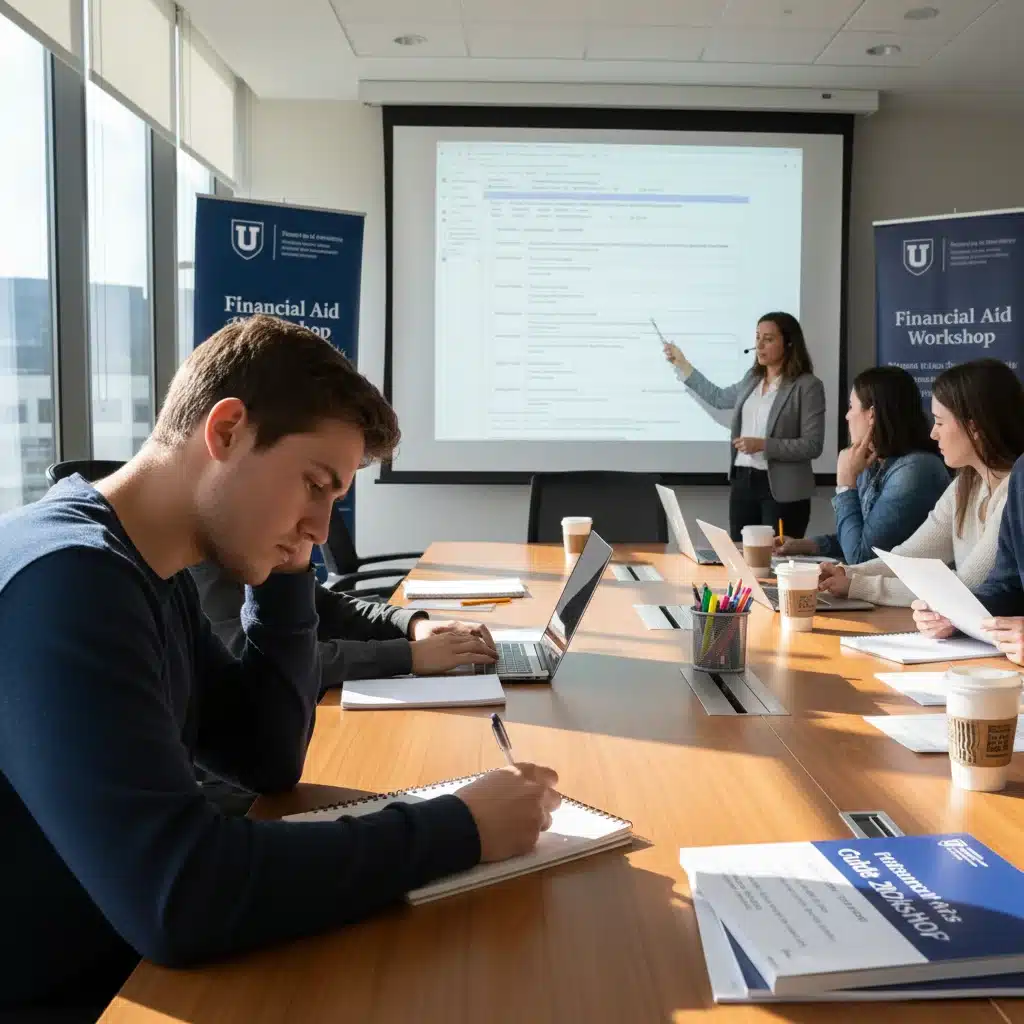
The FAFSA and Pell Grant Application Process for 2026
To apply for the Pell Grant, you must complete the Free Application for Federal Student Aid (FAFSA) each year. The FAFSA collects financial and demographic information to determine your eligibility for federal student aid, including the Pell Grant. For FAFSA 2026, the ongoing simplification efforts are designed to make the form shorter and more intuitive. Key changes include using direct data exchange with the IRS, which will pre-fill much of your tax information, reducing errors and saving time. The term ‘Expected Family Contribution’ (EFC) has been replaced with the ‘Student Aid Index’ (SAI), which is intended to be a clearer measure of a student’s ability to pay for college. It is crucial to complete the FAFSA as early as possible after it becomes available (typically October 1st for the following academic year), as some aid is awarded on a first-come, first-served basis. Even if you don’t think you’ll qualify, completing the FAFSA is the only way to know for sure and is often a prerequisite for other forms of state and institutional aid.
GI Bill vs. Pell Grant: A Comparative Analysis for 2026
While both the GI Bill and Pell Grant are instrumental in funding higher education, they serve different populations and have distinct characteristics. Understanding these differences is key for students to identify which program, or combination of programs, best suits their needs for education benefits 2026.
Eligibility Differences
- GI Bill: Primarily tied to military service. Eligibility is based on active-duty service duration, and benefits can be transferred to dependents. It’s a benefit earned through service.
- Pell Grant: Primarily tied to financial need. Eligibility is determined by the FAFSA and the student’s or family’s demonstrated financial capability to contribute to education costs. It’s a need-based grant.
Benefit Structure and Usage
- GI Bill: Offers comprehensive benefits including tuition and fees (often paid directly to the school), a monthly housing allowance, and a books/supplies stipend. Benefits are generally for higher education, vocational training, and some licensing/certification exams.
- Pell Grant: Provides a direct grant to the student, which can be used for tuition, fees, room and board, and other educational expenses. The maximum award is set federally and applies to undergraduate programs.
Impact and Reach
The GI Bill supports hundreds of thousands of veterans and their families annually, facilitating their transition to civilian life and bolstering their career prospects. The Pell Grant supports millions of low-income undergraduate students each year, serving as a critical gateway to college for those who might otherwise be unable to afford it. Together, these programs form a robust network of support, each addressing unique needs within the student population. For education benefits 2026, both programs are expected to continue their vital roles, with updates aimed at enhancing their effectiveness and reach.
Maximizing Your Education Benefits in 2026
Navigating the world of financial aid can be complex, but with careful planning and proactive steps, you can maximize your education benefits 2026. Many students may even be eligible for both GI Bill and Pell Grant, which can significantly reduce or eliminate out-of-pocket educational expenses.
Combining GI Bill and Pell Grant
It is absolutely possible to receive both GI Bill benefits and a Pell Grant simultaneously. The Pell Grant is not considered a VA benefit, and therefore, does not typically count against your GI Bill entitlement. If you are eligible for both, the Pell Grant will usually be applied first to your tuition and fees, and then your GI Bill benefits will cover the remaining balance, along with providing your housing allowance and book stipend. This combination can be incredibly powerful, often leading to a fully funded education experience. Always consult with your school’s financial aid office and veteran’s affairs office to understand how these benefits are coordinated at your specific institution and to ensure you are maximizing all available aid for education benefits 2026.
Additional Financial Aid Resources for 2026
Beyond the GI Bill and Pell Grant, a multitude of other financial aid options exist. These include:
- Scholarships: Merit-based, need-based, or specific to certain demographics or fields of study. Many organizations, foundations, and institutions offer scholarships.
- Other Federal Student Aid: This can include Federal Supplemental Educational Opportunity Grants (FSEOG), Federal Work-Study programs, and federal student loans (though grants are always preferable as they don’t require repayment).
- State Aid: Many states offer their own grant and scholarship programs. Check with your state’s higher education agency for specific opportunities.
- Institutional Aid: Colleges and universities often have their own endowment funds and programs to support students.
For education benefits 2026, exploring all these avenues is crucial. The FAFSA is the gateway to most federal and state aid, so completing it remains a critical first step for almost all students.
Navigating the Future: Preparing for Education Benefits 2026
As we look ahead to 2026, proactive planning is key to successfully leveraging the available education benefits 2026. The landscape of financial aid is dynamic, and staying informed about legislative changes, application deadlines, and eligibility requirements is paramount.
Key Actions for Prospective and Current Students
- Stay Informed: Regularly check official government websites (VA.gov, StudentAid.gov) for the latest updates on GI Bill and Pell Grant changes. Follow reputable education news sources.
- Complete the FAFSA Early: For Pell Grant and other federal aid, submit your FAFSA as soon as it opens (typically October 1st). This ensures you meet priority deadlines and have access to the maximum available aid.
- Connect with Your School’s Offices: Utilize the resources at your college or university. The financial aid office and veteran’s affairs office are invaluable resources for understanding specific processes and coordinating benefits.
- Maintain Accurate Records: Keep copies of all submitted applications, correspondence, and award letters for both the GI Bill and Pell Grant.
- Understand Your Obligations: Be aware of academic progress requirements for both programs. Failure to maintain satisfactory academic progress can result in loss of benefits.
The Broader Impact of Education Benefits 2026
The continuous evolution of education benefits like the GI Bill and Pell Grant underscores a national commitment to investing in human capital. By providing access to higher education for veterans and financially needy students, these programs not only uplift individuals but also contribute to a more skilled workforce, economic growth, and social mobility. The anticipated education benefits 2026 updates are designed to refine this impact, ensuring these programs remain relevant and effective in addressing the educational challenges of the coming years. For over a million students, these updates represent hope, opportunity, and the tangible support needed to achieve their academic and professional aspirations.
Conclusion: Securing Your Educational Future with 2026 Updates
The year 2026 brings with it important adjustments to the GI Bill and Pell Grant, two cornerstone programs that empower millions of Americans to pursue higher education. While distinct in their target populations and benefit structures, both share the common goal of removing financial barriers to learning. The GI Bill continues its legacy of supporting veterans, service members, and their families, honoring their sacrifice with invaluable educational opportunities. The Pell Grant remains a critical lifeline for undergraduate students demonstrating financial need, opening doors to college that might otherwise remain closed. Understanding the nuances of these education benefits 2026 updates, from eligibility criteria and application processes to potential increases in award amounts and expanded program coverage, is vital for anyone planning their academic future.
By staying informed, completing applications diligently and on time, and actively engaging with institutional support systems, students can effectively navigate these changes. The synergy between the GI Bill and Pell Grant, when applicable, offers a powerful pathway to a debt-free or significantly reduced-cost education. As we move closer to 2026, the continued commitment to these programs reflects a societal belief in the transformative power of education. For over a million students, these education benefits 2026 updates are not just policy changes; they are opportunities to build a brighter future, achieve personal growth, and contribute meaningfully to society. Be proactive, be informed, and take full advantage of the support available to you.