US Immigration Policy Changes 2026: Visa & Green Card Impact
Anúncios
Understanding the Latest Changes to US Immigration Policy in Early 2026: Impact on Visa Applications and Green Cards
The landscape of US immigration is constantly evolving, and early 2026 is poised to bring significant shifts that could profoundly affect individuals seeking to live, work, or study in the United States. For anyone navigating the complex world of visa applications and green cards, understanding these impending updates is not just beneficial, but absolutely critical. This comprehensive guide will delve into the anticipated US Immigration Policy 2026 changes, offering insights into their potential impact and providing actionable advice for applicants.
Anúncios
The United States, a nation built on immigration, periodically reviews and reforms its immigration laws to address economic needs, national security concerns, and humanitarian considerations. These reforms often lead to substantial adjustments in how foreign nationals can enter and reside in the country. As we approach early 2026, various legislative proposals and administrative directives are expected to coalesce into a new framework, influencing everything from H-1B visas for skilled workers to family-sponsored green cards and asylum processes. Staying informed about these developments is paramount for prospective immigrants, current visa holders, and legal professionals alike.
The Driving Forces Behind US Immigration Policy 2026 Reforms
Several factors typically drive major changes in US immigration policy. Economic conditions often play a significant role, with policies being adjusted to meet labor market demands, attract highly skilled talent, or address unemployment concerns. National security considerations, particularly in a volatile global environment, can lead to stricter vetting processes and changes in border enforcement. Furthermore, humanitarian concerns, international relations, and domestic political pressures frequently shape the direction of immigration reform. As we look towards early 2026, a confluence of these factors is expected to drive the upcoming policy shifts.
Specific legislative initiatives, often debated for years, may finally come to fruition. These could include comprehensive immigration reform packages or targeted amendments to existing laws. Administrative actions by the executive branch, such as new regulations issued by the Department of Homeland Security (DHS) or the Department of State (DOS), can also dramatically alter immigration procedures without requiring new legislation. Understanding these underlying drivers helps to contextualize the specific changes we anticipate in US Immigration Policy 2026.
Anúncios
Anticipated Legislative and Administrative Changes
While specific bills are still under discussion, there’s a strong indication that Congress may address long-standing issues such as the backlog in green card processing, particularly for employment-based categories. Discussions around increasing the number of available visas, especially for STEM professionals, are ongoing. Additionally, reforms to the H-1B visa program, including potential changes to the lottery system, wage requirements, and employer-specific restrictions, are frequently on the table. These legislative efforts aim to streamline processes, address labor shortages, and ensure the US remains competitive globally.
On the administrative front, we might see new directives from USCIS (U.S. Citizenship and Immigration Services) regarding interview procedures, evidence requirements for various petitions, and processing times. The Department of State could implement changes to consular processing, including interview waiver programs or increased scrutiny in certain regions. These administrative adjustments, while not always as sweeping as legislative reforms, can have a profound day-to-day impact on applicants and their attorneys. Staying abreast of these potential shifts in US Immigration Policy 2026 is crucial for effective planning.
Impact on Visa Applications: What to Expect in Early 2026
The upcoming changes in US Immigration Policy 2026 are expected to have a significant ripple effect across various non-immigrant visa categories. Each visa type, from those for temporary workers to students and visitors, could see adjustments in eligibility criteria, application processes, and approval rates. Being prepared for these modifications is key to a successful application.
Changes to Employment-Based Visas (H-1B, L-1, O-1)
Employment-based visas are often at the forefront of immigration reform discussions due to their direct link to the US economy and labor market. For the H-1B visa, which is highly sought after by skilled foreign workers, we could see several critical changes. These might include modifications to the annual cap, adjustments to the lottery system to prioritize certain skills or higher wages, or even reforms aimed at reducing fraud and abuse. Companies sponsoring H-1B workers will need to adapt quickly to new compliance requirements.
L-1 visas for intra-company transferees and O-1 visas for individuals with extraordinary ability might also experience updates. These could involve stricter definitions of ‘specialized knowledge’ for L-1 petitions or more rigorous standards for demonstrating ‘extraordinary ability’ for O-1 applicants. The goal of such changes is often to ensure that these visas are used as intended and benefit the US economy by attracting top talent. Employers and prospective employees must closely monitor these developments in US Immigration Policy 2026 to ensure their strategies remain compliant and effective.
Student and Exchange Visitor Visas (F-1, J-1)
The US remains a premier destination for international students and exchange visitors. Changes in US Immigration Policy 2026 could impact F-1 student visas and J-1 exchange visitor visas. These might include updated regulations regarding Optional Practical Training (OPT) for F-1 students, stricter enforcement of student visa requirements, or modifications to the types of programs eligible for J-1 designation. The aim is often to balance attracting international talent with national security interests and ensuring program integrity. Educational institutions and international students should prepare for potential administrative changes that could affect enrollment and post-graduation opportunities.
Visitor Visas (B-1/B-2) and Border Security
For B-1 business visitors and B-2 tourists, changes could focus on enhanced security screenings, adjustments to visa interview procedures, or increased scrutiny of travel history. Policy shifts might also affect visa waiver programs, potentially adding new countries or implementing stricter requirements for existing participants. Border security measures are an ongoing concern, and any new policies in early 2026 could lead to increased enforcement at ports of entry, impacting all visitors to the US. These measures are typically designed to enhance national security while facilitating legitimate travel and commerce.
Green Card Implications: Navigating Permanent Residency in 2026
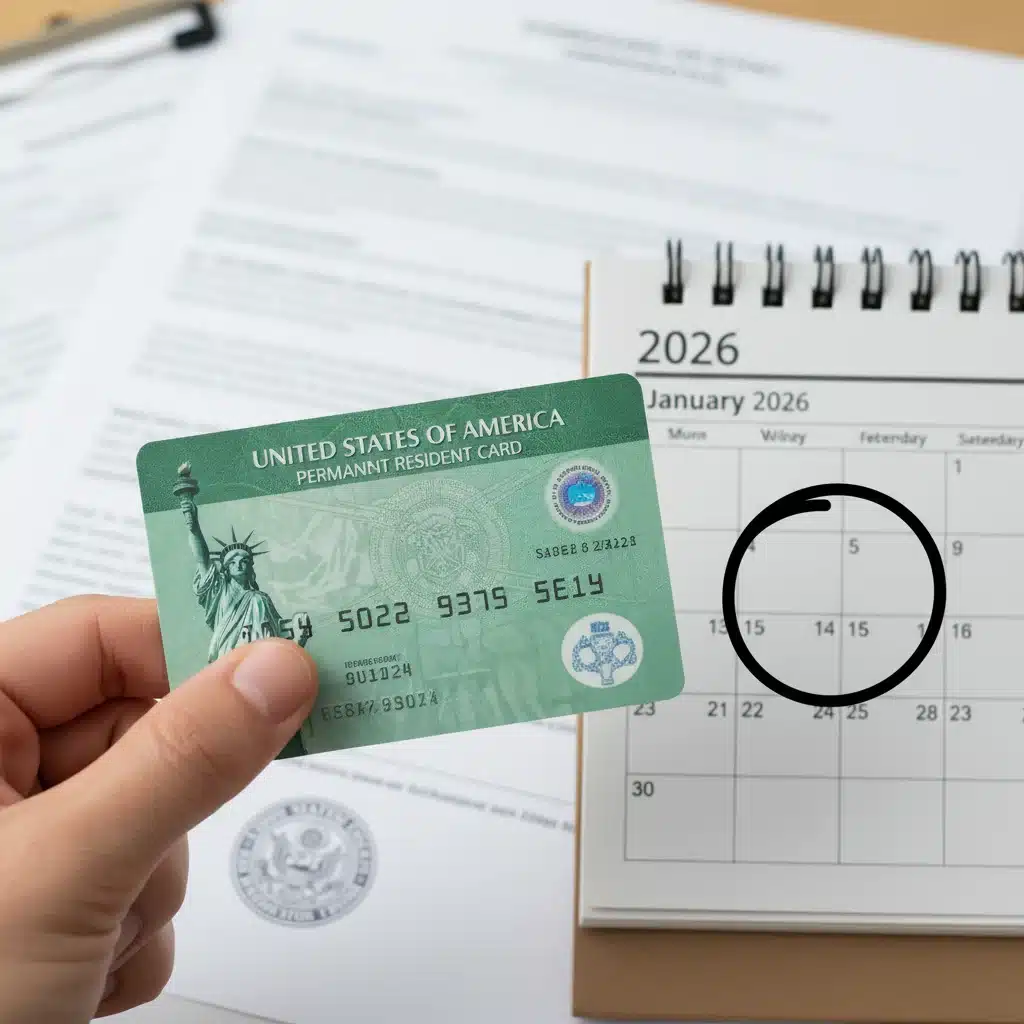
Perhaps the most significant impact of the upcoming US Immigration Policy 2026 changes will be on pathways to permanent residency, commonly known as green cards. Backlogs, eligibility criteria, and processing times are perennial concerns for green card applicants, and early 2026 could bring both challenges and potential opportunities.
Employment-Based Green Cards (EB-1, EB-2, EB-3)
The various employment-based green card categories are frequently subject to reform. For instance, there might be efforts to recapture unused visas from previous years, which could temporarily alleviate some of the infamous backlogs, particularly for individuals from countries like India and China. We might also see modifications to the per-country limits, a long-debated issue that disproportionately affects certain nationalities. Changes to the National Interest Waiver (NIW) criteria within the EB-2 category, or adjustments to the PERM labor certification process for EB-2 and EB-3, are also possibilities. These changes could significantly alter the timeline and requirements for highly skilled professionals seeking permanent residency in the US.
Furthermore, there could be increased scrutiny on certain types of employment-based petitions, requiring more robust evidence of job offers, employer legitimacy, and the applicant’s qualifications. Businesses sponsoring foreign workers for green cards will need to stay informed about any new documentation requirements or auditing procedures to ensure their applications are successful under the new US Immigration Policy 2026 framework.
Family-Sponsored Green Cards (F1, F2A, F2B, F3, F4)
Family reunification is a cornerstone of US immigration policy, but family-sponsored green cards also face significant backlogs and complex rules. Changes in early 2026 could address these issues, potentially by adjusting the number of visas available in each preference category or by redefining eligibility for certain family relationships. For example, there might be discussions around updating the definition of ‘child’ for immigration purposes or streamlining the process for immediate relatives of US citizens.
Applicants for family-sponsored green cards should be prepared for potential shifts in priority dates, which dictate when an applicant can file for their green card based on their petition filing date. Any acceleration or deceleration of these dates due to policy changes could have a profound impact on families waiting to reunite. Additionally, there might be new requirements for affidavits of support or increased scrutiny on the bona fides of marital relationships for spousal petitions. Understanding these nuances of US Immigration Policy 2026 is vital for families planning their immigration journey.
Diversity Visa Lottery Program
The Diversity Immigrant Visa Program, also known as the green card lottery, provides an opportunity for individuals from countries with historically low rates of immigration to the US. While often a target for reform or even elimination in some political discussions, the program has largely remained intact. However, US Immigration Policy 2026 could bring changes to its administration, including potential adjustments to eligibility criteria, the number of visas issued, or the application process itself. Aspiring applicants should monitor official announcements closely to ensure they meet all requirements and submit their entries correctly.
Asylum and Refugee Policies: Humanitarian Considerations
Beyond economic and family immigration, US Immigration Policy 2026 is also expected to address asylum and refugee policies. These areas are often highly contentious and subject to frequent adjustments based on geopolitical events and domestic political priorities. Changes could involve modifications to the asylum application process, including expedited review procedures or new eligibility criteria. Policies related to border asylum claims, such as credible fear interviews and expedited removal, might also see significant revisions.
For refugees, changes could impact resettlement programs, the annual refugee admissions cap, and the vetting process for individuals seeking refuge in the US. These humanitarian aspects of immigration policy are often influenced by international agreements, human rights considerations, and the capacity of US agencies to process claims. Advocacy groups and individuals seeking protection in the US will need to pay close attention to any new directives or regulations that emerge in early 2026.
Preparing for the US Immigration Policy 2026 Changes: Practical Steps
Given the anticipated shifts, proactive preparation is essential for anyone involved in the US immigration process. Here are some practical steps you can take to navigate the upcoming changes effectively:
1. Stay Informed and Consult Legal Experts
The most crucial step is to stay continuously updated on official announcements from USCIS, the Department of State, and other relevant government agencies. Reputable immigration attorneys and organizations often provide timely analyses of proposed and enacted changes. Consulting with an experienced immigration lawyer is highly recommended. They can offer personalized advice, interpret complex regulations, and help you understand how the US Immigration Policy 2026 changes specifically apply to your situation. Do not rely solely on unofficial sources or hearsay, as immigration law is highly nuanced and prone to misinterpretation.
2. Review and Organize Your Documentation
Regardless of the specific changes, having all your immigration-related documents organized and up-to-date is always a good practice. This includes passports, birth certificates, marriage certificates, educational transcripts, employment records, and any previous immigration filings. New policies might introduce stricter evidentiary requirements, so being prepared with comprehensive documentation can save time and prevent delays. Start gathering and digitizing these documents now, if you haven’t already. This preparedness is a cornerstone of navigating any shifts in US Immigration Policy 2026.
3. Expedite Applications Where Possible
If you are eligible to file an application or petition under current rules, and you anticipate potential adverse changes in early 2026, it might be prudent to submit your application as soon as possible. While there are no guarantees, filing before new regulations take effect could mean your case is adjudicated under the more favorable existing rules. Discuss this strategy with your immigration attorney to determine if it’s the right course of action for your specific circumstances.
4. Understand Potential Processing Delays
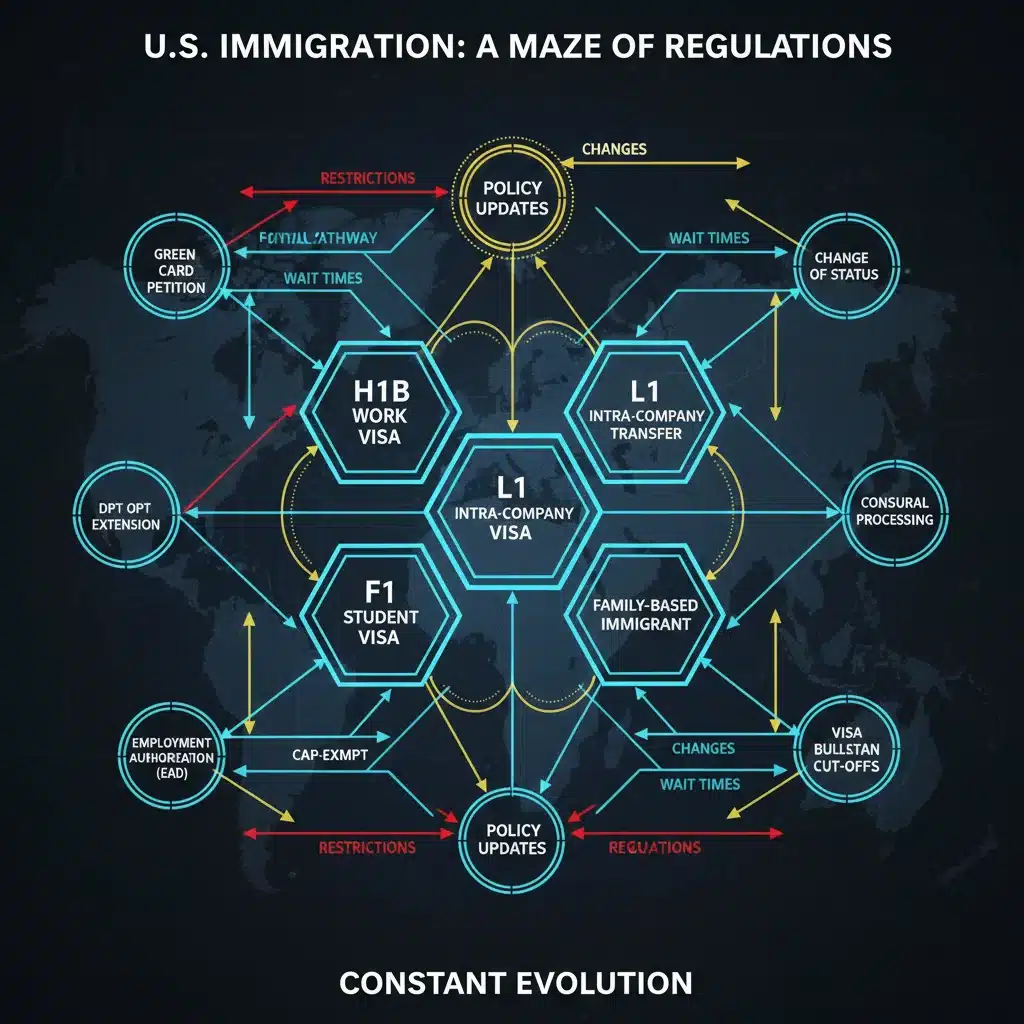
Major policy changes often lead to initial confusion and increased workload for immigration agencies, which can result in processing delays. Be prepared for potentially longer waiting times for interviews, adjudications, and document issuance. Factor these potential delays into your personal and professional planning. Patience and persistence will be key attributes for navigating the immigration system in early 2026.
5. Consider All Available Pathways
Even with changes, the US immigration system offers multiple pathways to temporary and permanent residency. If one path becomes more challenging due to new policies, explore other potential options with your legal counsel. For example, if employment-based visas become more restrictive, you might explore investor visas, extraordinary ability visas, or even specific state-sponsored programs if applicable. A comprehensive understanding of all available avenues is crucial when adapting to new immigration policies.
The Broader Implications of US Immigration Policy 2026
The shifts in US Immigration Policy 2026 will extend beyond individual applicants, impacting various sectors of American society and the global community. Businesses, educational institutions, and even local economies will feel the effects of these changes. For instance, companies relying on foreign talent may need to adjust their hiring strategies and expand their domestic recruitment efforts if certain visa categories become more restrictive. Universities might see fluctuations in international student enrollment, influencing their funding and diversity initiatives.
Internationally, US immigration policies often reflect and influence diplomatic relations. Changes in visa reciprocity, travel restrictions, or refugee policies can have significant geopolitical ramifications. The perception of the US as a welcoming nation for immigrants and skilled workers can also be affected, potentially influencing global talent flows and international competitiveness. Therefore, understanding the broader context of these policy changes is essential for a holistic view.