
Employee Benefits Trends 2026: Essential Updates for Your Health and Retirement Plans
In the rapidly evolving landscape of the modern workforce, understanding and adapting to the latest employee benefits 2026 trends is not just an advantage—it’s a necessity. As companies strive to attract and retain top talent, the traditional benefits package is no longer sufficient. Employees today are looking for comprehensive support that addresses their physical, mental, and financial well-being, alongside flexibility and a sense of purpose. This deep dive into the anticipated trends for 2026 will equip HR professionals, business leaders, and employees alike with the knowledge to navigate the future of workplace benefits effectively.
The past few years have dramatically reshaped our understanding of work, health, and financial security. The global pandemic accelerated many existing trends, pushing companies to prioritize employee well-being and adapt quickly to remote and hybrid work models. As we look towards 2026, these shifts are solidifying into long-term strategies. Organizations that proactively embrace these changes will not only foster a more engaged and productive workforce but also position themselves as employers of choice in a competitive market.
From personalized health solutions to robust financial planning and flexible work arrangements, the focus is shifting towards holistic support. This article will explore the key pillars of employee benefits 2026, providing actionable insights and highlighting the innovative approaches that will define the next generation of compensation and benefits. Understanding these trends is crucial for crafting a benefits strategy that truly resonates with your employees’ needs and aspirations.
The Ascendance of Holistic Well-being: Beyond Physical Health
For many years, employee benefits primarily focused on physical health insurance. While still a cornerstone, the definition of ‘well-being’ has expanded significantly. In 2026, holistic well-being will encompass mental, emotional, financial, and even social health. Employers are recognizing that an employee’s performance is intrinsically linked to their overall state of being, and neglecting any one aspect can have detrimental effects on productivity, engagement, and retention.
Mental Health Support Takes Center Stage
The stigma surrounding mental health in the workplace is slowly but surely eroding, and 2026 will see an even greater emphasis on accessible and comprehensive mental health support. This goes beyond traditional Employee Assistance Programs (EAPs). We anticipate a rise in benefits such as:
- Expanded Telehealth Services: Easy access to virtual therapy, counseling, and psychiatric care will be a standard offering. This removes geographical barriers and reduces wait times, making mental health support more immediate.
- Mental Health Apps and Platforms: Companies will integrate subscriptions to mindfulness apps, cognitive behavioral therapy (CBT) platforms, and digital coaching services into their benefits packages.
- Manager Training: Equipping managers with the skills to identify signs of mental distress, foster a supportive environment, and direct employees to appropriate resources will be crucial.
- Stress Reduction Programs: Initiatives like mindfulness workshops, stress management courses, and even on-site or virtual yoga/meditation sessions will become more common.
Investing in mental health is not just a compassionate act; it’s a strategic business decision. Studies consistently show that addressing mental health issues can lead to reduced absenteeism, increased productivity, and a more positive work environment. The employee benefits 2026 landscape will reflect this understanding with robust, proactive mental health strategies.
Financial Wellness: A Critical Component of Stability
Financial stress is a significant distraction and a major contributor to employee anxiety. In 2026, financial wellness programs will move beyond basic retirement planning to offer more comprehensive support. This includes:
- Financial Education and Coaching: Access to certified financial planners, workshops on budgeting, debt management, investment strategies, and homeownership will be highly valued.
- Emergency Savings Programs: Employers may offer programs that help employees build emergency savings, sometimes even with small employer contributions or matching.
- Student Loan Repayment Assistance: Given the burden of student debt, especially for younger generations, this benefit is gaining traction and will be a significant differentiator.
- Personalized Financial Tools: Digital platforms that allow employees to track their spending, set financial goals, and receive personalized advice will be integrated into benefits portals.
A financially secure employee is a more focused and engaged employee. By addressing financial anxieties, organizations can improve overall well-being and reduce stress-related issues that impact work performance. This holistic view of employee well-being is a defining characteristic of employee benefits 2026.
The Evolution of Health Benefits: Personalization and Prevention
Health benefits will continue to be a cornerstone, but their delivery and focus will undergo significant transformation by 2026. The shift will be towards highly personalized plans, emphasizing preventive care, and leveraging technology to enhance access and effectiveness.
Personalized Health Plans and Digital Health Solutions
One-size-fits-all health plans are becoming a relic of the past. Employees have diverse needs, and 2026 will see a greater demand for customizable benefits. This could manifest as:
- Flexible Spending Accounts (FSAs) and Health Savings Accounts (HSAs) with Enhanced Options: More robust options and clearer guidance on how to maximize these accounts.
- Lifestyle-Specific Benefits: Offering benefits tailored to specific employee demographics, such as fertility benefits, elder care support, or specialized chronic disease management programs.
- Wearable Technology Integration: Employers may subsidize or provide wearables that track health metrics, offering incentives for meeting wellness goals, and potentially integrating data (with strict privacy controls) into personalized health recommendations.
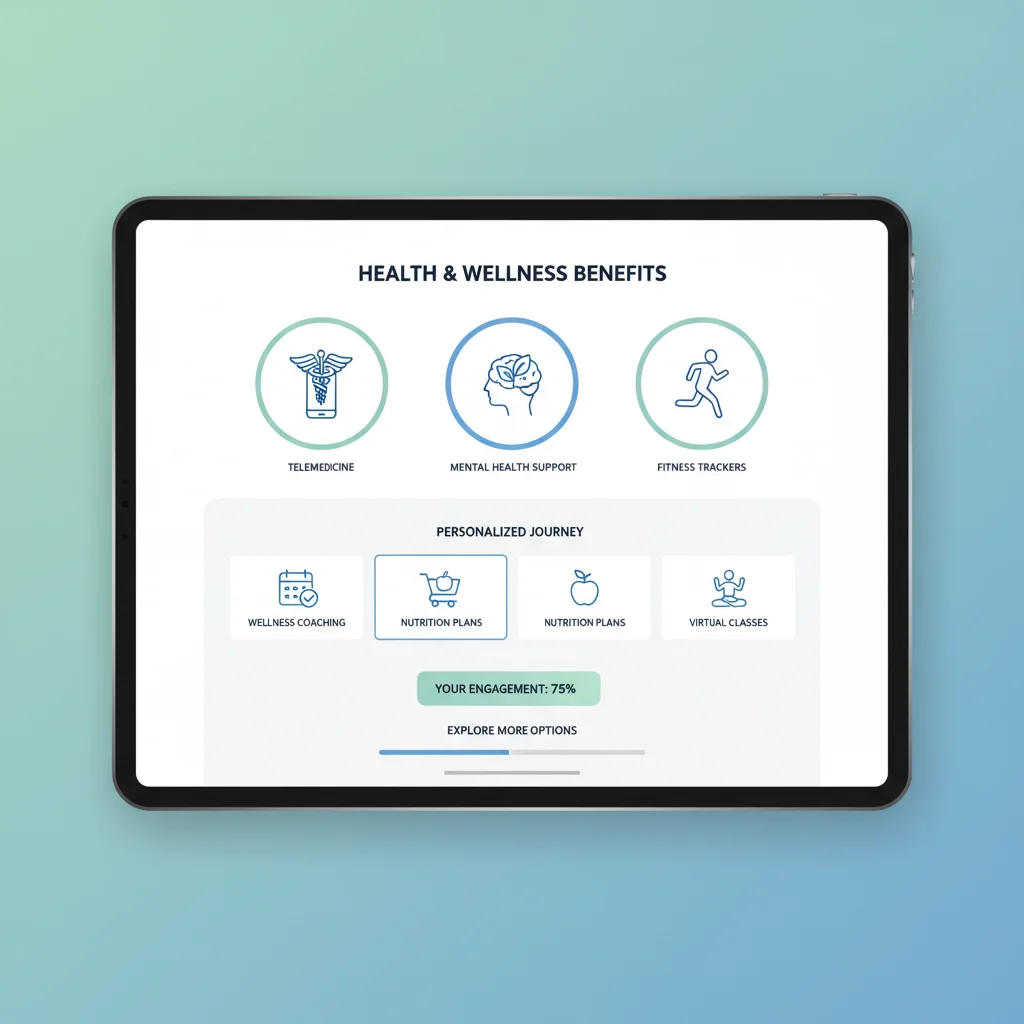
Digital health solutions will be at the forefront of this personalization. Telemedicine will expand beyond basic consultations to include virtual specialist visits, remote monitoring for chronic conditions, and digital therapeutics. AI-powered platforms will help employees navigate their benefits, find the right providers, and receive personalized health recommendations.
Focus on Preventive Care and Chronic Disease Management
Prevention is always better than cure, and employee benefits 2026 will reflect a stronger emphasis on proactive health management. This includes:
- Enhanced Wellness Programs: Beyond basic gym memberships, these programs will offer health coaching, nutritional guidance, smoking cessation programs, and stress management techniques.
- On-site or Virtual Health Screenings: Regular screenings for common health issues, often coupled with follow-up support, will help catch potential problems early.
- Chronic Disease Management Programs: Dedicated support for employees managing conditions like diabetes, heart disease, or asthma, offering resources, coaching, and care coordination to improve outcomes and reduce long-term costs.
- Vaccination Programs: Easy access to various vaccinations, including flu shots and other recommended immunizations, to maintain overall public health and reduce illness.
By investing in preventive care, companies can reduce healthcare costs in the long run and ensure a healthier, more resilient workforce. This proactive approach to health is a hallmark of forward-thinking benefits strategies for 2026.
Retirement Readiness: Adapting to a Changing Economic Landscape
Retirement planning remains a critical concern for employees across all age groups, but the strategies and expectations are shifting. The employee benefits 2026 landscape will see innovations in retirement savings and financial education to better prepare employees for their golden years.
Enhanced Retirement Savings Options
Traditional 401(k) plans will continue to be a staple, but employers will explore additional avenues to boost retirement readiness:
- Student Loan Integration with 401(k) Matching: Some employers are already piloting programs where they match student loan payments with contributions to an employee’s 401(k), recognizing the dual financial burden many face. This trend is expected to grow.
- Emergency Savings Linked to Retirement: Encouraging employees to build an emergency fund alongside their retirement savings can prevent them from dipping into their retirement accounts prematurely.
- Personalized Investment Advice: Access to robo-advisors or human financial advisors who can provide tailored investment strategies based on individual risk tolerance and retirement goals.
- Phased Retirement Programs: Offering flexible options for older employees to gradually reduce their hours leading up to full retirement, allowing for a smoother transition and knowledge transfer.
The goal is to provide a more flexible and comprehensive approach to retirement planning that acknowledges the diverse financial situations and life stages of employees. These innovative approaches to retirement are crucial for attracting and retaining an experienced workforce.
Financial Literacy and Planning for All Stages of Life
Beyond just saving for retirement, employees need education on how to manage their finances throughout their careers. 2026 benefits will emphasize ongoing financial literacy:
- Workshops on Estate Planning: Providing resources for employees to plan for their long-term financial legacy.
- Guidance on Healthcare Costs in Retirement: Educating employees about Medicare, long-term care insurance, and other healthcare expenses they can expect in retirement.
- Pre-retirement Seminars: Comprehensive programs for employees nearing retirement, covering everything from social security benefits to managing leisure time.
By offering these resources, companies empower their employees to make informed financial decisions at every stage of their lives, leading to greater financial security and peace of mind. This proactive financial education is a key element of effective employee benefits 2026 strategies.

The Future of Work: Flexibility and Work-Life Integration
The pandemic irrevocably changed how and where we work. Flexible work arrangements are no longer a perk but a fundamental expectation. The employee benefits 2026 landscape will further entrench these models, focusing on work-life integration rather than just work-life balance.
Hybrid and Remote Work as Standard Operating Procedure
While some companies are pushing for a full return to office, the majority will continue to embrace hybrid or fully remote models. The benefits package will need to support these arrangements:
- Home Office Stipends: Providing financial assistance for employees to set up and maintain a productive home office, covering internet, utilities, and ergonomic equipment.
- Technology and Connectivity Support: Ensuring employees have access to the necessary software, hardware, and reliable internet connections to perform their jobs effectively from anywhere.
- Digital Collaboration Tools: Investing in robust platforms that facilitate seamless communication and teamwork across distributed teams.
- Flexible Work Hours: Beyond just location, offering flexibility in when work is done, allowing employees to manage personal appointments, family responsibilities, and peak productivity times.
This flexibility is crucial for attracting talent who prioritize autonomy and a better quality of life. Companies that resist these changes risk falling behind in the talent war.
Enhanced Work-Life Integration and Support
The concept of ‘work-life balance’ often implies a strict separation. Work-life integration acknowledges that work and personal life often blend, and benefits should support this reality:
- Caregiving Support: Expanded benefits for childcare, elder care, and even pet care, including subsidies, referral services, and flexible leave policies.
- Unlimited or Generous Paid Time Off (PTO): While controversial for some, many progressive companies are moving towards unlimited PTO policies, trusting employees to manage their time and deliver results.
- Sabbaticals: Offering opportunities for extended paid or unpaid leave for personal development, travel, or rest, especially for long-tenured employees.
- Volunteering Opportunities and Paid Volunteer Time: Supporting employees’ desire to contribute to their communities, fostering a sense of purpose and social responsibility.
These benefits demonstrate a commitment to employees’ lives outside of work, fostering loyalty and reducing burnout. The progressive approach to work-life integration will be a defining feature of employee benefits 2026.
The Role of Technology and Data in Benefits Management
Technology will play an increasingly pivotal role in delivering, managing, and personalizing employee benefits 2026. From AI-powered platforms to sophisticated data analytics, technology will make benefits more efficient, accessible, and tailored to individual needs.
AI and Personalization in Benefits Platforms
Artificial intelligence and machine learning will revolutionize how employees interact with their benefits:
- AI-Powered Benefits Navigation: Chatbots and AI assistants will help employees understand their options, answer common questions, and guide them to the most relevant benefits based on their personal profile and needs.
- Personalized Recommendations: AI will analyze employee data (with strict privacy protocols) to suggest benefits that align with their life stage, health conditions, and financial goals, making benefits selection simpler and more effective.
- Predictive Analytics for Benefits Usage: HR teams will use AI to predict future benefits utilization trends, allowing them to proactively adjust offerings and control costs.
The goal is to create a seamless, intuitive, and highly personalized benefits experience that empowers employees to make the best choices for themselves and their families.
Data-Driven Benefits Strategy
Data analytics will be crucial for HR professionals to optimize their benefits packages:
- Utilization Tracking: Analyzing which benefits are most used and valued by employees to inform future investments.
- Cost-Benefit Analysis: Understanding the ROI of different benefits programs to ensure they are both effective and financially sustainable.
- Employee Feedback Integration: Using surveys and feedback loops to continuously refine benefits offerings based on actual employee needs and preferences.
By leveraging data, companies can move away from guesswork and build a benefits strategy that is truly responsive to their workforce, a key characteristic of successful employee benefits 2026 programs.
Sustainability and Social Impact: Benefits with a Conscience
Beyond personal well-being, employees, especially younger generations, are increasingly seeking employers whose values align with their own. This includes a commitment to environmental sustainability and social responsibility. The employee benefits 2026 package will begin to reflect these broader societal concerns.
Eco-Friendly and Sustainable Benefits
Companies will explore benefits that support environmental consciousness:
- Commuter Benefits for Sustainable Transport: Subsidies for public transportation, cycling programs, or electric vehicle charging stations.
- Green Initiatives at Work: Promoting recycling, waste reduction, and energy efficiency, and involving employees in these efforts.
- Partnerships with Sustainable Vendors: Ensuring that benefits providers (e.g., health insurers, food vendors) also adhere to sustainable practices.
Social Impact and Community Engagement
Benefits that foster a sense of purpose and community will gain prominence:
- Paid Volunteer Time Off (VTO): Allowing employees dedicated time to volunteer for causes they care about.
- Matching Charitable Contributions: Employers matching employee donations to non-profit organizations.
- Company-Sponsored Philanthropic Events: Organizing team-based volunteering days or fundraising events.
These benefits not only enhance employee engagement but also contribute to a positive employer brand, attracting individuals who are motivated by more than just a paycheck. Integrating these values into the benefits package is a forward-thinking move for employee benefits 2026.
Challenges and Considerations for 2026
While the future of employee benefits looks promising, several challenges and considerations will shape their implementation:
- Cost Management: Balancing comprehensive offerings with budget constraints will always be a primary concern. Employers will need to be strategic in their investments and leverage data to optimize spending.
- Regulatory Compliance: The evolving legal landscape surrounding benefits, privacy, and employment law will require constant vigilance and adaptation.
- Employee Communication: Even the best benefits are ineffective if employees don’t understand or know how to use them. Clear, consistent, and personalized communication will be paramount.
- Equity and Inclusivity: Ensuring that benefits packages are equitable and inclusive, addressing the diverse needs of a multi-generational, multi-cultural workforce, will be critical.
- Measuring ROI: Demonstrating the return on investment for various benefits, especially those focused on well-being and flexibility, will be important for securing continued leadership buy-in.
Addressing these challenges effectively will require a proactive, data-driven, and employee-centric approach. The most successful organizations in 2026 will be those that view their benefits strategy not as an expense, but as a vital investment in their human capital.
Conclusion: Crafting a Future-Ready Benefits Strategy
The landscape of employee benefits 2026 is characterized by a profound shift towards holistic well-being, personalization, flexibility, and purpose. Employers who recognize and adapt to these trends will be better positioned to attract, engage, and retain the talent necessary for sustained success.
Moving forward, HR and business leaders must commit to a continuous evaluation of their benefits offerings. This involves actively listening to employee feedback, leveraging technology and data analytics, and staying informed about emerging trends and regulatory changes. The goal is to create a dynamic benefits package that not only meets the current needs of the workforce but also anticipates future demands.
By investing in comprehensive health, robust financial planning, flexible work arrangements, and benefits that align with broader societal values, organizations can cultivate a thriving, resilient, and highly motivated workforce. The future of work is here, and a forward-thinking benefits strategy is your key to unlocking its full potential. Embrace these changes, and watch your organization flourish in 2026 and beyond.