Hybrid Learning Boom: 75% US Colleges Adapt by 2026
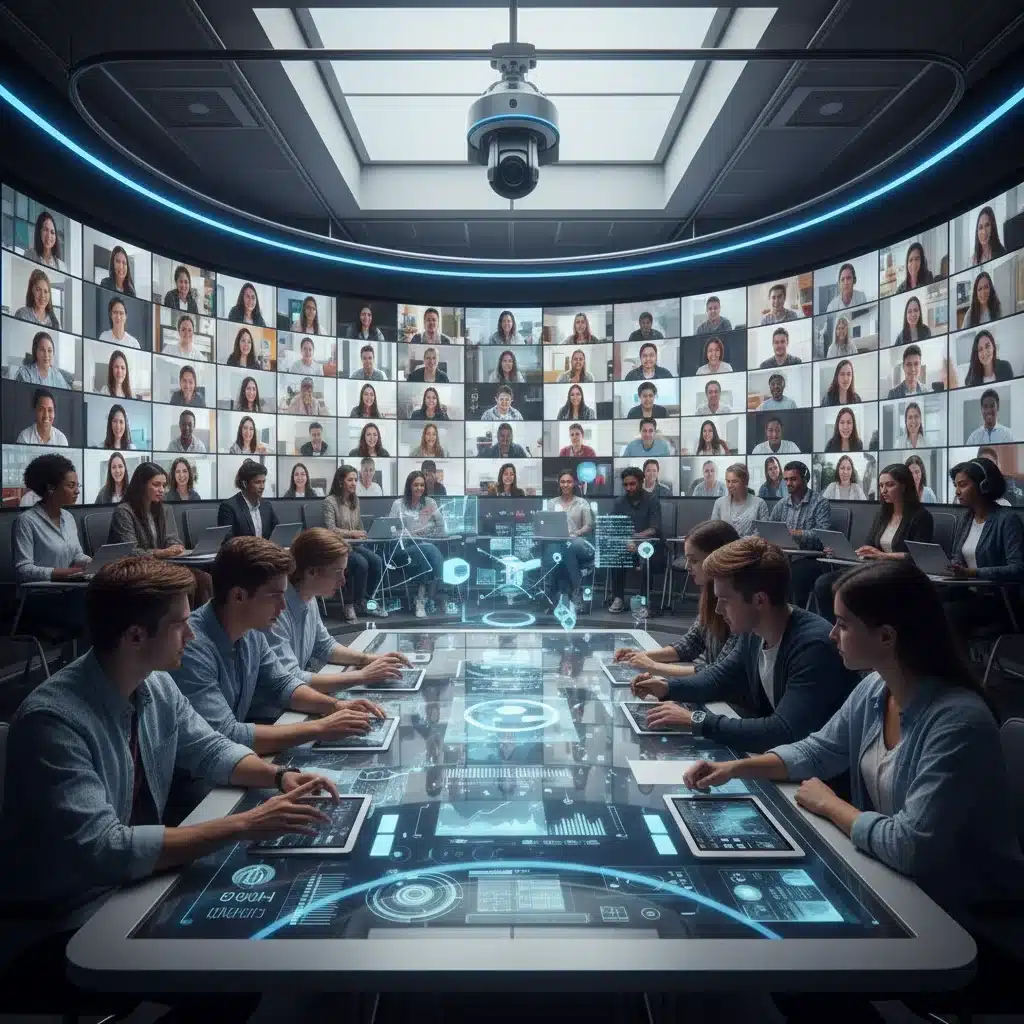
The Rise of Hybrid Learning: How 75% of US Colleges are Adapting for 2026 (RECENT UPDATES, PRACTICAL SOLUTIONS)
The educational landscape is in a constant state of evolution, but few shifts have been as profound and rapid as the widespread adoption of hybrid learning. What was once a niche offering or a necessity born out of crisis is now becoming the mainstream. Projections indicate that by 2026, a staggering 75% of US colleges will have integrated hybrid learning models into their core offerings. This isn’t just a fleeting trend; it’s a fundamental redefinition of higher education, driven by technological advancements, changing student demographics, and a demand for more flexible, accessible, and personalized learning experiences. This comprehensive article delves into the forces behind this rapid transformation, highlights recent updates in hybrid learning adaptation, and explores the practical solutions colleges are implementing to meet this monumental shift.
Understanding the Hybrid Learning Imperative: Why Colleges Are Adapting
The journey towards widespread hybrid learning adaptation is multifaceted, influenced by a confluence of factors that have reshaped student expectations and institutional strategies. The COVID-19 pandemic undoubtedly accelerated this transition, forcing institutions to pivot rapidly to remote instruction. However, even as campuses reopened, the lessons learned from that period underscored the immense potential and demand for flexible learning modalities.
Student Demand for Flexibility and Accessibility
Today’s college students, often digital natives, expect flexibility in how, when, and where they learn. Many balance academic pursuits with work, family responsibilities, or other commitments. Hybrid models, which blend in-person and online components, offer an unparalleled level of adaptability. Students can attend lectures on campus, participate in online discussions from home, or review recorded materials at their own pace. This flexibility not only enhances convenience but also significantly improves accessibility for students who might face geographical, financial, or personal barriers to traditional on-campus education.
Technological Advancements and Infrastructure
The rapid evolution of educational technology (edtech) has been a critical enabler of this hybrid learning adaptation. Learning Management Systems (LMS) like Canvas, Blackboard, and Moodle have become more robust, offering sophisticated tools for content delivery, assignment submission, and collaborative activities. Video conferencing platforms have become seamless, and artificial intelligence (AI) is beginning to play a role in personalized learning pathways and automated feedback. Colleges are investing heavily in upgrading their digital infrastructure, from high-speed internet across campuses to state-of-the-art classroom technology designed for hybrid delivery.
Enhanced Learning Outcomes and Engagement
When implemented effectively, hybrid learning can lead to improved learning outcomes. The blend of synchronous (real-time) and asynchronous (self-paced) activities allows for diverse learning styles. In-person sessions can focus on interactive discussions, hands-on labs, and collaborative projects, while online components can be used for content delivery, foundational knowledge acquisition, and reflective exercises. This blended approach can foster deeper engagement, critical thinking, and better retention of material. Furthermore, the digital tools often integrated into hybrid models provide rich data analytics, allowing educators to track student progress and tailor interventions more effectively.
Economic Efficiencies and Institutional Resilience
From an institutional perspective, hybrid learning adaptation offers potential economic efficiencies. While initial investments in technology and training can be substantial, hybrid models can optimize classroom space utilization, potentially reduce operational costs associated with large physical campuses, and expand enrollment capacity by reaching a broader student base. Moreover, the ability to seamlessly transition between in-person and remote instruction provides colleges with greater resilience in the face of unforeseen disruptions, as demonstrated during the pandemic.
Recent Updates and Key Trends in Hybrid Learning Adaptation
The journey to 75% adoption by 2026 is not a static one; it’s characterized by continuous innovation and refinement. Several key trends and recent updates are shaping how US colleges are approaching hybrid learning.
Focus on HyFlex Models
One of the most significant trends is the increasing adoption of HyFlex (Hybrid-Flexible) models. This approach empowers students with maximum choice, allowing them to participate in classes in person, synchronously online, or asynchronously online, often switching between these modes based on their needs or preferences for each session. This level of student agency is a hallmark of truly adaptable hybrid learning adaptation.
Investment in Faculty Training and Development
Recognizing that technology alone is not enough, colleges are making substantial investments in faculty training. Educators need to be proficient not only in using new tools but also in designing effective hybrid curricula, facilitating engaging online discussions, and managing the unique dynamics of a multi-modal classroom. Professional development programs are focusing on pedagogical strategies specifically tailored for hybrid environments.
Designing for Equity and Inclusion
As hybrid learning becomes more prevalent, there’s a growing emphasis on ensuring equitable access and inclusive experiences for all students. This includes providing robust technical support, ensuring digital accessibility for students with disabilities, and addressing potential digital divides. Colleges are actively working to mitigate disparities in access to reliable internet, suitable devices, and quiet study spaces.
Data-Driven Personalization
The digital nature of hybrid learning generates a wealth of data. Institutions are increasingly leveraging this data to personalize learning experiences, identify students who might be struggling, and provide timely interventions. Learning analytics dashboards are becoming more sophisticated, offering insights into student engagement, performance, and interaction patterns within the hybrid environment.
Micro-credentials and Stackable Programs
Hybrid learning is also facilitating the growth of micro-credentials, badges, and stackable programs. These shorter, focused learning modules can be completed online or in a hybrid format, allowing students and working professionals to acquire specific skills and qualifications more flexibly, often leading to full degrees. This aligns with the growing demand for lifelong learning and upskilling in a rapidly changing job market.
Practical Solutions for Effective Hybrid Learning Adaptation
The successful integration of hybrid learning models requires more than just technology; it demands a holistic approach encompassing pedagogical design, infrastructure, faculty support, and student services. Here are some practical solutions colleges are implementing:
1. Robust Technology Infrastructure and Support
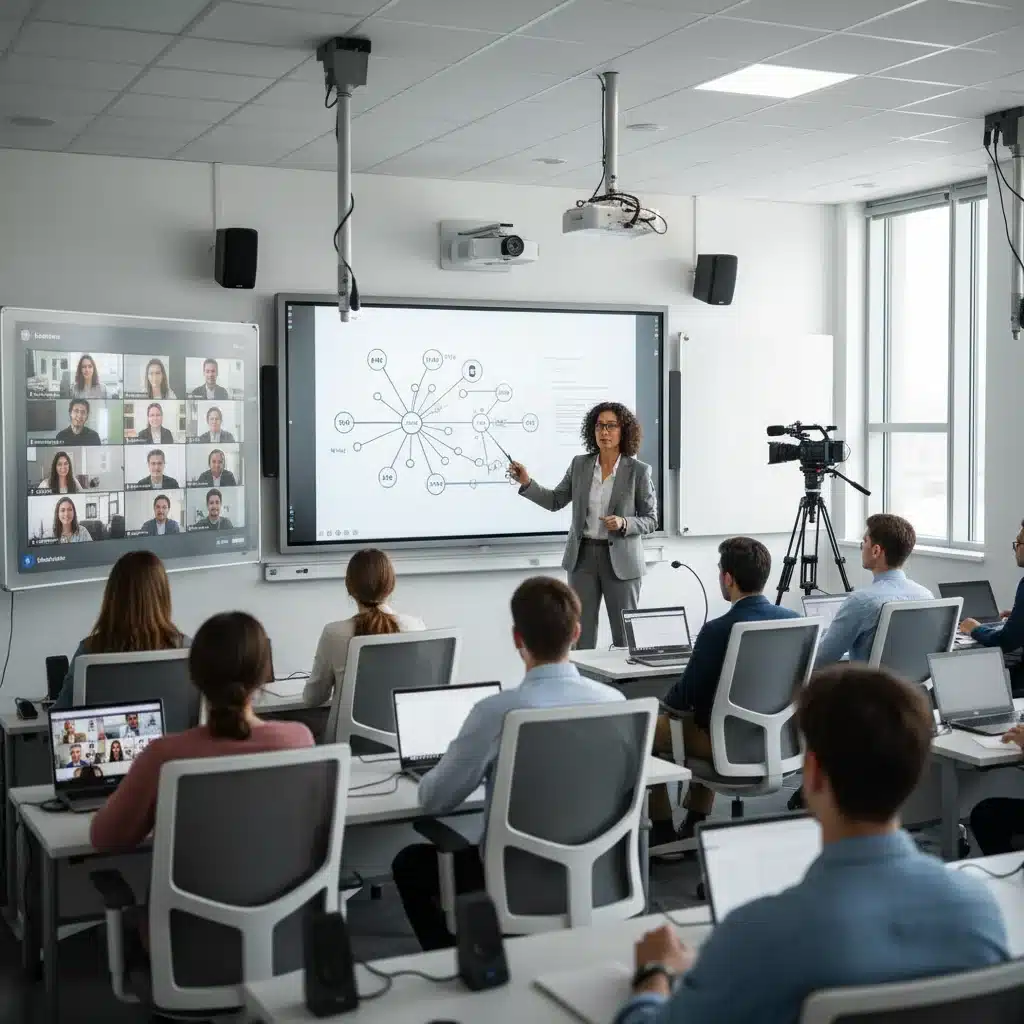
- Smart Classrooms: Equipping classrooms with high-definition cameras, microphones that capture all voices, interactive whiteboards, and seamless integration with LMS and video conferencing platforms.
- Reliable Connectivity: Ensuring robust Wi-Fi networks across campus and providing resources or guidance for students struggling with home internet access.
- Dedicated Tech Support: Offering 24/7 technical assistance for both faculty and students, covering everything from LMS issues to device troubleshooting.
- Software Ecosystem: Curating a suite of user-friendly and integrated educational software, including collaboration tools, assessment platforms, and content creation tools.
2. Comprehensive Faculty Development Programs
- Pedagogical Training: Workshops focused on designing engaging hybrid courses, facilitating blended discussions, and fostering a sense of community across modalities.
- Technology Proficiency: Training on how to effectively use all available edtech tools, from basic LMS functions to advanced interactive features.
- Course Design Support: Providing instructional designers to help faculty transition traditional courses into effective hybrid formats, ensuring alignment of learning objectives with activities and assessments.
- Peer Mentorship: Establishing programs where experienced hybrid instructors can mentor colleagues new to the model, sharing best practices and troubleshooting tips.
3. Intentional Course Design and Curriculum Development
- Clear Expectations: Clearly articulating the hybrid format, expectations for participation (both in-person and online), and assessment methods from the outset.
- Blended Activities: Strategically blending synchronous and asynchronous activities to maximize learning. For example, using online modules for content delivery and in-person sessions for application and problem-solving.
- Active Learning Strategies: Incorporating active learning techniques that work well in both physical and virtual spaces, such as group projects, case studies, simulations, and interactive polls.
- Accessibility First: Designing all course materials with accessibility in mind, including captioned videos, screen-reader-compatible documents, and alternative text for images.
4. Enhanced Student Support Services
- Orientation to Hybrid Learning: Providing specific orientation programs to help students understand the unique demands and opportunities of hybrid learning.
- Academic Support: Offering tutoring, writing centers, and academic advising that are accessible to both on-campus and online students.
- Mental Health and Well-being: Ensuring that counseling and mental health services are available and promoted to all students, recognizing the potential for isolation or stress in blended environments.
- Digital Literacy Training: Offering resources and workshops to help students develop essential digital literacy skills, including effective online communication and digital citizenship.
5. Assessment and Feedback Mechanisms
- Varied Assessment Methods: Utilizing a range of assessment tools suitable for hybrid environments, including online quizzes, collaborative projects, presentations (live and recorded), and traditional exams.
- Timely and Constructive Feedback: Implementing strategies for providing prompt and actionable feedback, which is crucial for student learning in both modalities.
- Proctoring Solutions: Exploring secure and equitable online proctoring solutions for assessments, balancing academic integrity with student privacy.
- Student Feedback Loops: Regularly soliciting feedback from students on their hybrid learning experiences to identify areas for improvement and adapt course delivery.
The Future is Hybrid: Implications for Higher Education
The move towards 75% hybrid learning adaptation by 2026 signifies more than just a change in delivery method; it represents a paradigm shift in the philosophy of higher education. This future has several profound implications:
Redefining the Campus Experience
The physical campus will likely evolve from being the sole hub of learning to a dynamic space for collaboration, experiential learning, and community building. Libraries, student centers, and specialized labs will become even more vital, serving as focal points for in-person engagement that complements online learning.
Global Reach and Diverse Student Populations
Hybrid models enable colleges to reach a global audience, attracting students who might not otherwise have the opportunity to pursue a US higher education. This diversity enriches the learning environment for all, bringing varied perspectives and experiences into the classroom, both physical and virtual.
Continuous Innovation in Pedagogy
The ongoing development of hybrid learning will spur continuous innovation in teaching methodologies. Educators will constantly experiment with new technologies and approaches to optimize engagement and learning outcomes, fostering a culture of pedagogical exploration.
Lifelong Learning Ecosystems
As the line between formal education and professional development blur, hybrid models will be central to creating lifelong learning ecosystems. Universities will likely offer more modular, flexible programs that allow individuals to continuously upskill and reskill throughout their careers.
Addressing the Digital Divide
While hybrid learning offers immense potential, it also magnifies the importance of addressing the digital divide. Colleges and policymakers must work collaboratively to ensure that all students have equitable access to the technology and connectivity required to succeed in these new learning environments.
Challenges and Considerations for Hybrid Learning Adaptation
While the benefits of hybrid learning are compelling, the journey to widespread adoption is not without its challenges. Colleges must proactively address these to ensure successful and equitable implementation.
Ensuring Equity and Bridging the Digital Divide
One of the most critical challenges is ensuring that all students, regardless of their socioeconomic background, have equitable access to the technology and internet connectivity required for hybrid learning. Colleges must invest in programs that provide devices, internet hotspots, or access to campus resources for students who lack these at home. Without conscious efforts, hybrid models could exacerbate existing educational inequalities.
Maintaining Student Engagement and Community
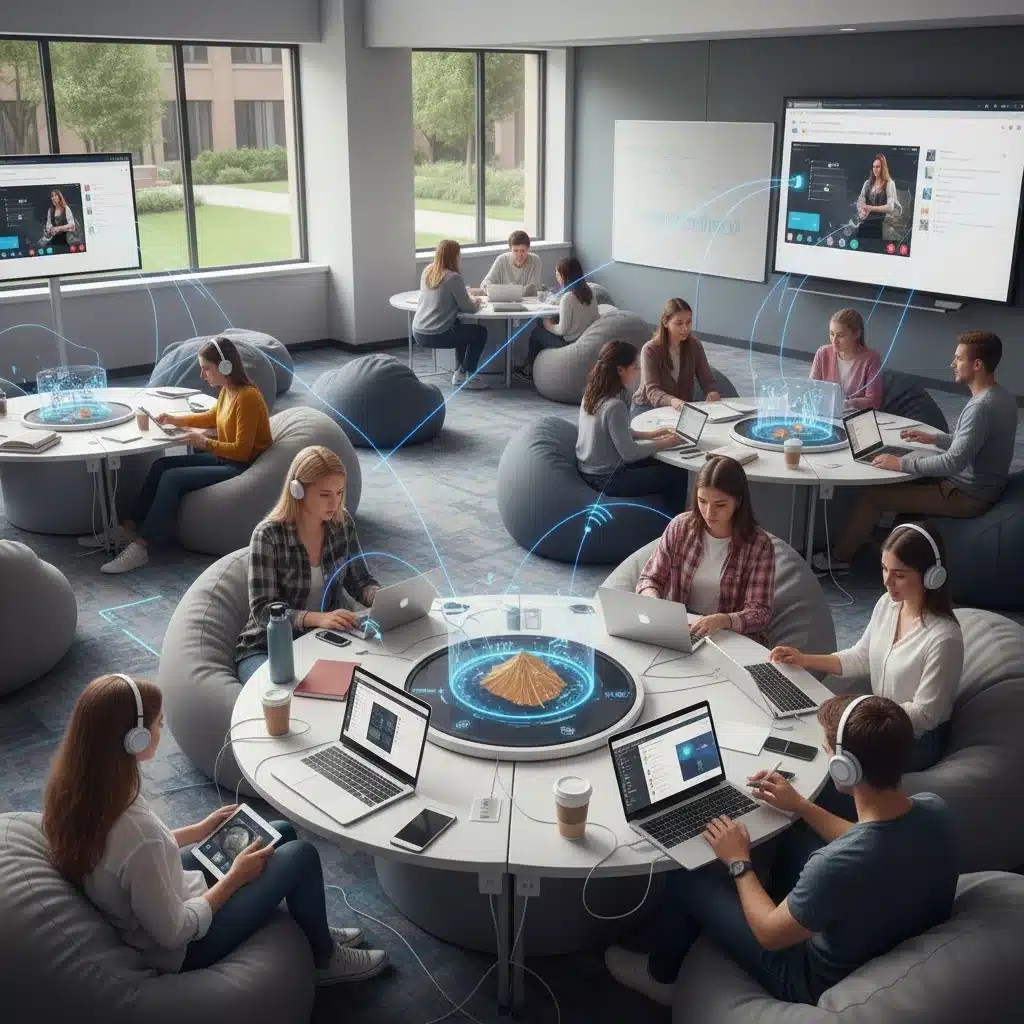
Fostering a strong sense of community and maintaining student engagement can be more complex in hybrid environments. Educators need to be intentional about creating opportunities for interaction, both in-person and online. This includes designing collaborative online activities, facilitating meaningful discussions, and providing avenues for informal social connections among students across different modalities. Preventing feelings of isolation among remote learners is paramount.
Faculty Workload and Burnout
Teaching in a hybrid format often requires more preparation and effort than traditional in-person or fully online teaching. Faculty members are tasked with managing multiple modalities simultaneously, designing flexible assignments, and providing support to students with diverse needs. Without adequate support, training, and recognition, there is a risk of increased faculty workload and burnout. Institutions must provide resources, instructional design assistance, and reasonable expectations for faculty.
Technological Reliability and Troubleshooting
The reliance on technology means that any technical glitch can disrupt the learning experience. Colleges need robust IT infrastructure, reliable software, and readily available technical support for both faculty and students. Proactive troubleshooting and clear communication channels for reporting and resolving issues are essential to minimize disruptions.
Assessment Integrity in Hybrid Settings
Ensuring academic integrity in hybrid assessments, particularly for online components, remains a significant concern. Colleges are exploring various solutions, including secure online proctoring services, authentic assessment methods (e.g., projects, presentations, portfolios), and a combination of in-person and online evaluation components. The goal is to balance security with a positive student experience.
Institutional Culture and Change Management
Shifting to a predominantly hybrid model requires a significant cultural change within institutions. This involves buy-in from all stakeholders – administrators, faculty, staff, and students. Effective change management strategies, transparent communication, and involving stakeholders in the decision-making process are crucial for smooth hybrid learning adaptation.
The Role of AI and Emerging Technologies in Hybrid Learning
Looking ahead, the integration of artificial intelligence (AI) and other emerging technologies will further shape the evolution of hybrid learning adaptation. These innovations promise to enhance personalization, efficiency, and accessibility.
Personalized Learning Pathways
AI can analyze student performance data and learning patterns to recommend personalized learning pathways, resources, and interventions. Adaptive learning platforms can adjust content difficulty and pace based on individual student needs, ensuring that each learner receives the right support at the right time. This level of personalization is difficult to achieve in traditional settings.
Automated Feedback and Grading
AI-powered tools can assist instructors with automated grading of certain assignments (e.g., multiple-choice, short answer questions) and provide instant feedback to students. Natural Language Processing (NLP) can even help evaluate written assignments, freeing up instructor time to focus on more complex, qualitative feedback and one-on-one interactions.
Intelligent Tutoring Systems and Chatbots
AI chatbots and intelligent tutoring systems can provide 24/7 support to students, answering common questions, guiding them through concepts, and offering supplemental explanations. These tools can act as virtual teaching assistants, enhancing accessibility and providing immediate help outside of traditional office hours.
Virtual and Augmented Reality (VR/AR)
VR and AR technologies are poised to create immersive learning experiences that transcend physical boundaries. Students could participate in virtual lab experiments, explore historical sites in augmented reality, or practice complex procedures in a simulated environment, all from their remote locations or within a hybrid classroom. This offers unparalleled opportunities for experiential learning.
Learning Analytics and Predictive Modeling
Advanced learning analytics, powered by AI, can identify students at risk of falling behind even before they struggle significantly. By analyzing engagement metrics, performance data, and interaction patterns, institutions can implement proactive interventions, such as targeted tutoring or counseling, to improve student retention and success.
Accessibility Enhancements
AI can significantly improve accessibility in hybrid learning. Features like real-time captioning for live lectures, automated translation services, and tools that convert text to speech or speech to text can cater to a wider range of learning needs and disabilities, making education more inclusive.
Conclusion: A New Era of Higher Education
The projection that 75% of US colleges will embrace hybrid learning by 2026 underscores a transformative period for higher education. This shift is not merely about integrating technology; it’s about fundamentally rethinking pedagogy, campus design, student support, and institutional strategy. While challenges remain, the benefits of enhanced flexibility, accessibility, and personalized learning experiences are too significant to ignore. Colleges that proactively and thoughtfully engage in this hybrid learning adaptation will be those best positioned to thrive in the coming decades, preparing students for a dynamic and interconnected world. The future of higher education is undoubtedly hybrid, promising a more resilient, inclusive, and effective learning environment for all.
Author