VR in US Vocational Training 2026: Deep Dive & Solutions
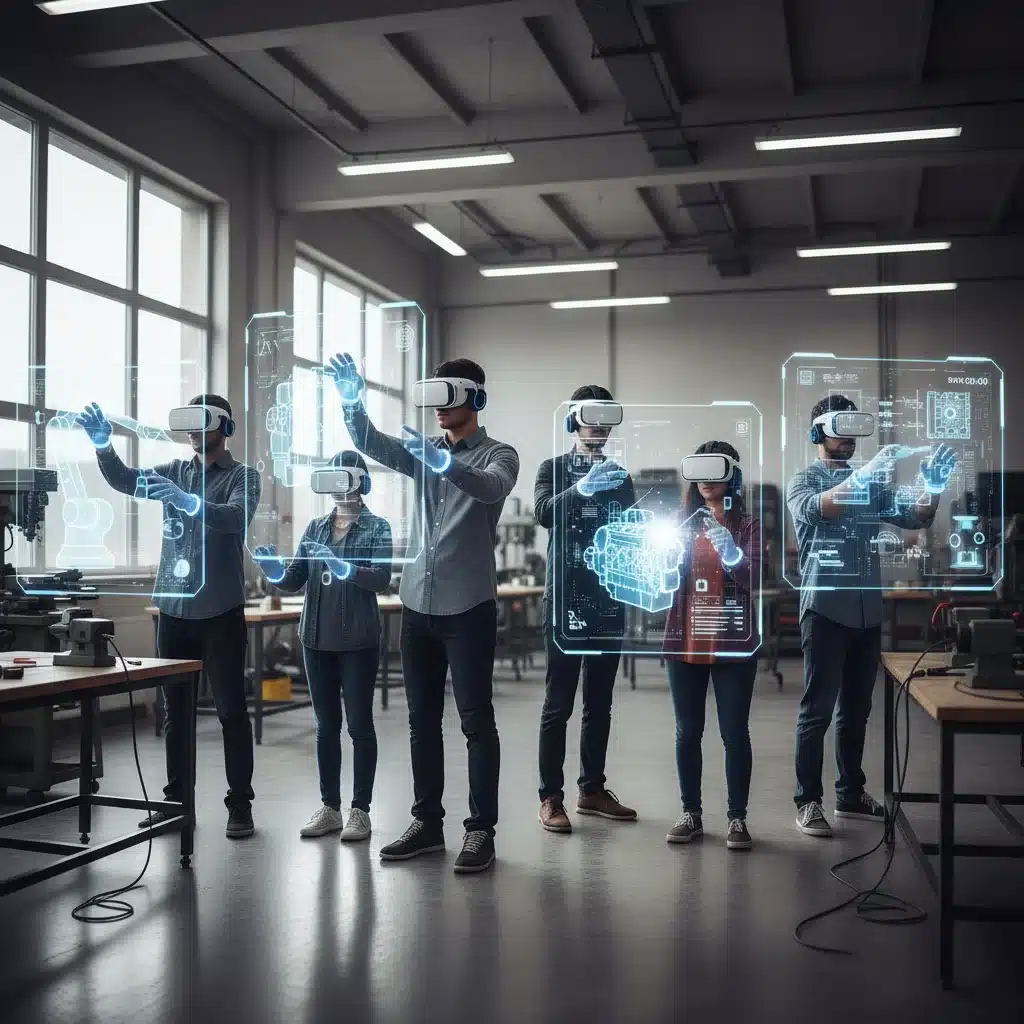
The landscape of vocational training in the United States is undergoing a profound transformation, driven by an accelerating pace of technological innovation. Among the myriad of emerging technologies, Virtual Reality (VR) stands out as a particularly disruptive and promising force. By 2026, the integration of VR vocational training is not merely an experimental concept but a cornerstone of modern skill development, offering unprecedented opportunities for immersive, safe, and effective learning experiences. This deep dive will explore the current trajectory, recent updates, practical solutions, and the anticipated future impact of VR on US vocational education, preparing a workforce ready for the challenges and opportunities of the 21st century.
The Dawn of Immersive Learning: Why VR Vocational Training Matters Now More Than Ever
Traditional vocational training, while foundational, often faces limitations in providing realistic, hands-on experience without significant cost, risk, or logistical challenges. High-fidelity equipment is expensive, real-world scenarios can be dangerous, and the availability of expert instructors is often constrained. This is where VR vocational training steps in, offering a compelling alternative that addresses these issues head-on. VR creates simulated environments that replicate real-world workplaces, tools, and scenarios with remarkable accuracy.
The benefits are multi-faceted. Learners can practice complex procedures repeatedly without consuming costly materials or risking injury. They can make mistakes in a safe virtual space, learning from them without real-world consequences. Furthermore, VR can democratize access to high-quality training, allowing institutions with limited physical resources to offer advanced curricula. As industries evolve rapidly, the ability to quickly update and deploy new training modules in VR ensures that the workforce remains agile and up-to-date with the latest techniques and technologies. The demand for skilled labor in sectors like manufacturing, healthcare, construction, and automotive is consistently high, and traditional methods struggle to keep pace with this demand. VR vocational training provides a scalable solution to bridge this skills gap, making it an indispensable tool for future workforce development.
Recent Updates and Technological Advancements in VR for Vocational Education
The past few years have seen significant leaps in VR technology, making it more accessible, powerful, and user-friendly for vocational applications. Gone are the days of bulky, prohibitively expensive equipment. Current VR headsets are lighter, offer higher resolution, and boast improved tracking capabilities, leading to more comfortable and realistic experiences. Standalone VR devices, which don’t require a powerful PC, have further reduced barriers to entry for many vocational schools.
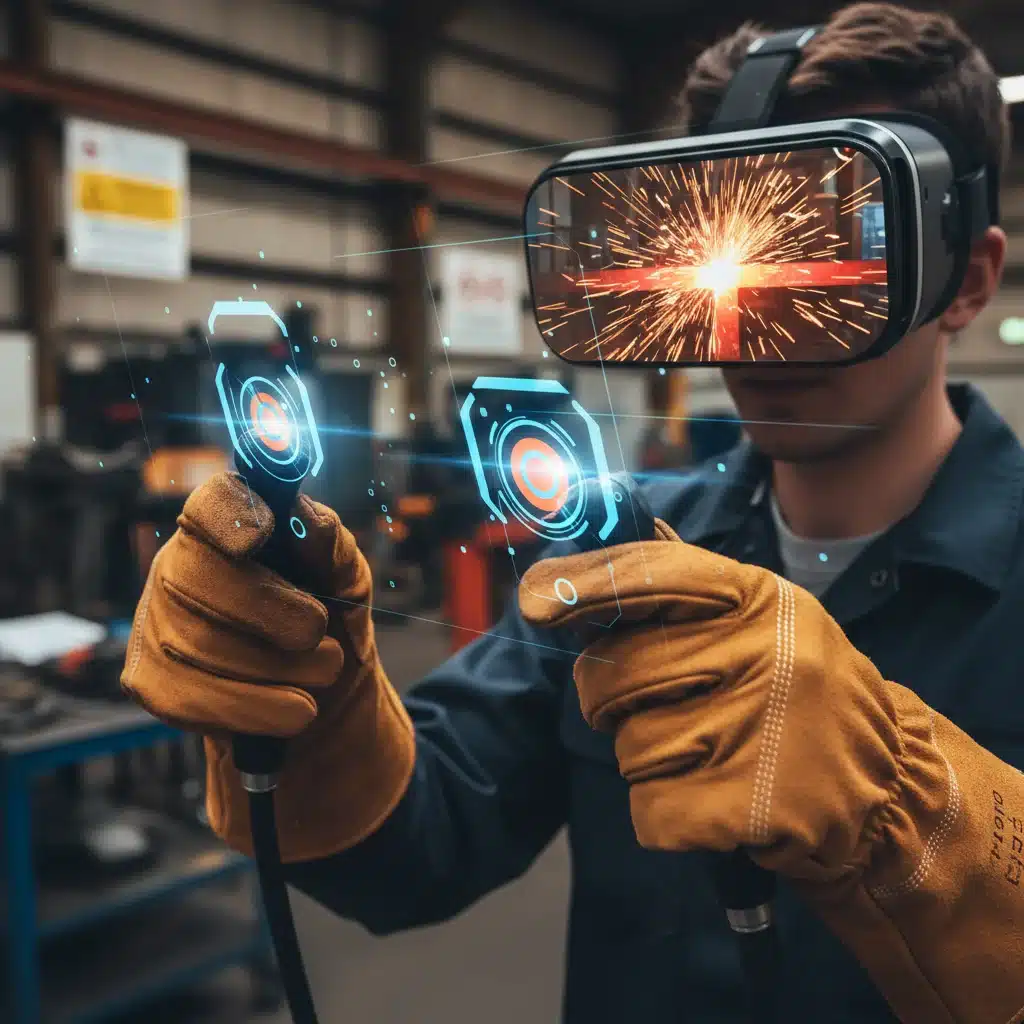
Software development has also matured considerably. VR training platforms now offer sophisticated analytics, allowing instructors to track student progress, identify areas for improvement, and even customize learning paths. Haptic feedback gloves and suits are becoming more common, adding a tactile dimension to virtual interactions, which is crucial for trades requiring fine motor skills. For example, a student learning to weld can not only see the virtual sparks but also feel the vibration of the welding torch. Similarly, aspiring surgeons can feel the resistance of virtual tissue. These advancements are transforming passive learning into an active, embodied experience, significantly enhancing skill acquisition in VR vocational training.
Furthermore, the integration of Artificial Intelligence (AI) with VR is creating intelligent tutors and adaptive learning environments. AI can analyze a student’s performance in real-time, providing personalized feedback and adjusting the difficulty of tasks to match their skill level. This personalized approach is a game-changer for vocational education, as it caters to individual learning paces and styles, ensuring that each student receives the most effective training possible. The ability to simulate complex scenarios, such as equipment malfunctions or emergency procedures, in a controlled environment, allows trainees to develop critical thinking and problem-solving skills without real-world risk. This level of immersive, adaptive, and safe training was unimaginable just a decade ago, highlighting the rapid evolution and potential of VR vocational training.
Practical Solutions: Implementing VR Vocational Training Across Industries
The versatility of VR means it can be applied across a vast spectrum of vocational fields, offering tailored solutions for diverse training needs. Here are some key sectors where VR vocational training is making a significant impact:
Manufacturing and Advanced Robotics
In modern manufacturing, precision and safety are paramount. VR allows trainees to operate complex machinery, program robots, and troubleshoot production line issues in a risk-free environment. This includes learning proper assembly techniques, quality control procedures, and even maintenance of sophisticated automated systems. The ability to visualize intricate processes and practice delicate operations repeatedly without material waste is a huge advantage. For example, a VR simulation can teach an apprentice to calibrate a robotic arm with millimeter precision, an essential skill in high-tech manufacturing. Furthermore, VR can simulate different factory layouts and workflows, allowing managers and engineers to optimize processes before physical implementation, saving time and resources. This proactive approach to training and process optimization is vital for maintaining competitiveness in a global market.
Healthcare and Medical Assisting
From surgical simulations to patient care scenarios, VR is revolutionizing medical training. Aspiring nurses and medical assistants can practice administering injections, responding to medical emergencies, and interacting with virtual patients, honing their bedside manner and critical decision-making skills. These simulations can present a wide range of patient conditions, allowing trainees to encounter rare cases they might not see in a traditional clinical setting. The emotional and ethical aspects of patient care can also be simulated, preparing healthcare professionals for the human element of their work. The controlled environment of VR allows for standardized training modules, ensuring that all students receive consistent, high-quality instruction regardless of their physical location or the availability of real-world clinical opportunities. This is particularly crucial for maintaining high standards of care across diverse healthcare settings.
Construction and Skilled Trades
Construction sites are inherently dangerous. VR vocational training offers a safe space to learn about site safety protocols, operate heavy machinery (cranes, excavators), and practice intricate tasks like welding, plumbing, and electrical wiring. Trainees can experience different construction phases, understand architectural blueprints in 3D, and even collaborate on virtual builds. This not only reduces the risk of accidents during training but also significantly lowers the cost associated with material waste and equipment wear-and-tear. Imagine an apprentice practicing welding in VR, receiving instant feedback on their technique without burning through expensive metal. This iterative learning process accelerates skill acquisition and reduces the time required to become proficient. Moreover, VR can simulate various weather conditions or unexpected site challenges, preparing workers for real-world contingencies and enhancing their problem-solving capabilities under pressure.
Automotive Technology and Repair
Modern vehicles are increasingly complex, relying on intricate electronic systems and advanced diagnostics. VR allows technicians to virtually disassemble and reassemble engines, diagnose electrical faults, and practice repairs on a wide range of vehicle models without needing physical access to every car type. This is particularly valuable for training on new electric vehicles (EVs) or autonomous driving systems, where real-world training can be costly and difficult to scale. Trainees can explore the internal workings of a car in a way that’s impossible with physical models, gaining a deeper understanding of mechanical and electrical interdependencies. The ability to simulate various malfunctions and guide technicians through diagnostic procedures step-by-step makes VR vocational training an ideal tool for developing highly competent automotive professionals.
Challenges and Considerations for Widespread Adoption by 2026
While the promise of VR vocational training is immense, its widespread adoption by 2026 is not without challenges. Addressing these proactively is crucial for successful integration.
Cost of Implementation
Despite decreasing hardware costs, setting up a comprehensive VR training program still requires a significant initial investment in headsets, powerful computers (for some systems), and specialized software licenses. For many vocational schools and community colleges, budget constraints remain a major hurdle. However, it’s important to view this as an investment that yields long-term savings in materials, equipment maintenance, and enhanced safety. Government grants, industry partnerships, and innovative funding models will be essential to overcome this barrier.
Content Development and Customization
Creating high-quality, industry-specific VR training modules requires expertise in both VR development and the vocational field itself. Generic content often falls short of specific industry standards. The need for customized content, especially for niche trades, can be a time-consuming and expensive process. Collaboration between educational institutions, industry experts, and VR developers is key to producing effective and relevant training simulations. The ability to rapidly update and adapt content to new technologies and industry best practices will also be a continuous challenge and opportunity.
Instructor Training and Acceptance
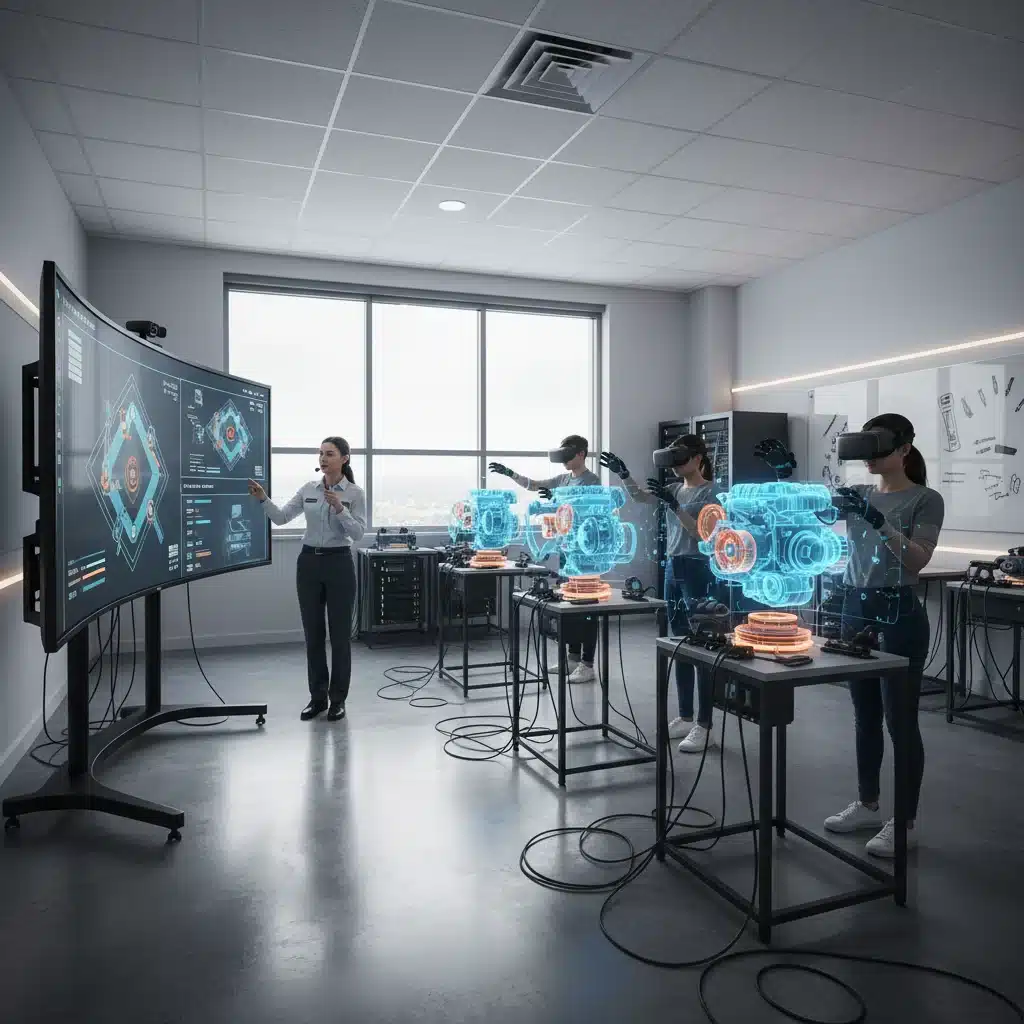
For VR vocational training to succeed, instructors must be comfortable and proficient in using the technology. This requires comprehensive training programs for educators, helping them understand how to integrate VR effectively into their curriculum, troubleshoot common issues, and leverage its full potential. Resistance to new technology can also be a factor, highlighting the need for strong leadership and clear communication about the benefits of VR. Empowering instructors as facilitators and guides within the virtual learning environment, rather than replacing them, is crucial for successful adoption.
Accessibility and Equity
Ensuring that VR vocational training is accessible to all students, regardless of their socio-economic background or location, is paramount. This includes addressing potential issues like motion sickness for some users, ensuring ergonomic design of headsets, and providing robust technical support. Bridging the digital divide and ensuring equitable access to VR hardware and reliable internet connectivity will be critical to prevent the creation of new disparities in vocational education. Mobile VR solutions and partnerships with local libraries or community centers could play a role in broadening access.
The Future of Work: How VR Vocational Training is Shaping the Workforce of 2026 and Beyond
By 2026, VR vocational training is expected to be a standard component of many vocational programs across the US. Its impact will extend beyond just skill acquisition, influencing workforce readiness in several profound ways:
Enhanced Skill Transfer and Retention
Immersive learning experiences have been shown to improve skill transfer and long-term retention compared to traditional methods. The active engagement and multi-sensory nature of VR help solidify learning, making it more effective and memorable. This means graduates of VR-enhanced programs will be better prepared to apply their skills immediately upon entering the workforce, reducing the need for extensive on-the-job training.
Improved Safety Records
By allowing trainees to practice dangerous procedures in a virtual environment, VR significantly reduces the risk of accidents and injuries during the learning phase. This leads to a safer workforce overall, with fewer workplace incidents and lower associated costs for businesses. Industries with high-risk operations, such as construction, mining, and emergency services, stand to benefit immensely from this aspect of VR vocational training.
Increased Engagement and Motivation
VR offers an engaging and often gamified learning experience that can significantly boost student motivation and interest in vocational careers. This is particularly important for attracting younger generations to skilled trades, addressing the looming retirement wave in many industries. The novelty and interactive nature of VR make learning enjoyable, fostering a deeper commitment to mastering complex skills.
Faster Time to Competency
The ability to practice repeatedly, receive instant feedback, and learn from mistakes without real-world consequences means that trainees can reach competency levels faster with VR. This accelerates the pipeline of skilled workers, helping to meet industry demand more efficiently. In a rapidly evolving economic landscape, faster time to competency is a significant competitive advantage for both individuals and industries.
Customized and Personalized Learning Paths
As mentioned earlier, the integration of AI with VR enables highly personalized training. This means that each student can progress at their own pace, focusing on areas where they need the most improvement. This adaptive learning approach ensures that every trainee achieves mastery, rather than being limited by a standardized curriculum that might not suit their individual needs. This level of customization is a hallmark of effective modern education.
Bridging the Skills Gap
Perhaps the most significant impact of VR vocational training by 2026 will be its role in effectively bridging the growing skills gap in the US. By providing scalable, high-quality, and accessible training solutions, VR can equip a larger segment of the population with the in-demand skills necessary for the jobs of today and tomorrow. This not only benefits individuals by offering pathways to rewarding careers but also strengthens the nation’s economic competitiveness and innovation capacity.
Conclusion: A Vision for 2026 and Beyond
The trajectory of Virtual Reality in US vocational training is undeniably upward. By 2026, we can expect VR vocational training to move from an innovative novelty to an indispensable standard, deeply embedded in curricula across a multitude of industries. The recent updates in hardware, software, and instructional design have paved the way for more immersive, effective, and accessible training experiences. While challenges related to cost, content development, and instructor integration remain, strategic partnerships, policy support, and continued technological refinement will undoubtedly overcome these hurdles.
The future workforce will be one that is not only skilled but also adaptable, resilient, and continuously learning. VR vocational training is not just about teaching a trade; it’s about fostering a new generation of professionals who are confident, competent, and ready to tackle the complexities of the modern world. As we look towards 2026 and beyond, the integration of VR into vocational education represents a pivotal step towards building a stronger, more skilled, and technologically advanced American workforce, ensuring that the US remains at the forefront of global innovation and industrial prowess. The investment in this technology today is an investment in the prosperity and capability of our future, guaranteeing that our vocational training programs are not just keeping pace, but actively shaping the future of work.
Author