
Decoding the 2026 FAFSA Changes: Your Essential Guide to Maximizing Federal College Aid
The landscape of federal financial aid for college is undergoing its most significant transformation in decades. For students and families planning for the 2026-2027 academic year and beyond, understanding the upcoming 2026 FAFSA changes is not just recommended—it’s absolutely crucial. These revisions, part of the FAFSA Simplification Act, aim to streamline the application process, expand Pell Grant eligibility, and provide a more accurate assessment of a family’s ability to pay for college. However, with simplification comes complexity in understanding the new rules and how they might impact your financial aid package. This comprehensive guide will walk you through every critical aspect of the 2026 FAFSA changes, helping you navigate the new system, identify potential pitfalls, and strategically position yourself to maximize your federal aid.
The Core of the 2026 FAFSA Changes: What’s New?
The FAFSA Simplification Act introduces several foundational changes that will reshape how federal student aid is calculated and distributed. While some of these changes were partially implemented for the 2024-2025 FAFSA cycle, the 2026-2027 cycle will see the full impact of these reforms. The primary goals are to make the application process less daunting, increase access to federal aid, and ensure a fairer distribution of funds. Let’s delve into the most impactful revisions.
Goodbye EFC, Hello SAI: Understanding the Student Aid Index
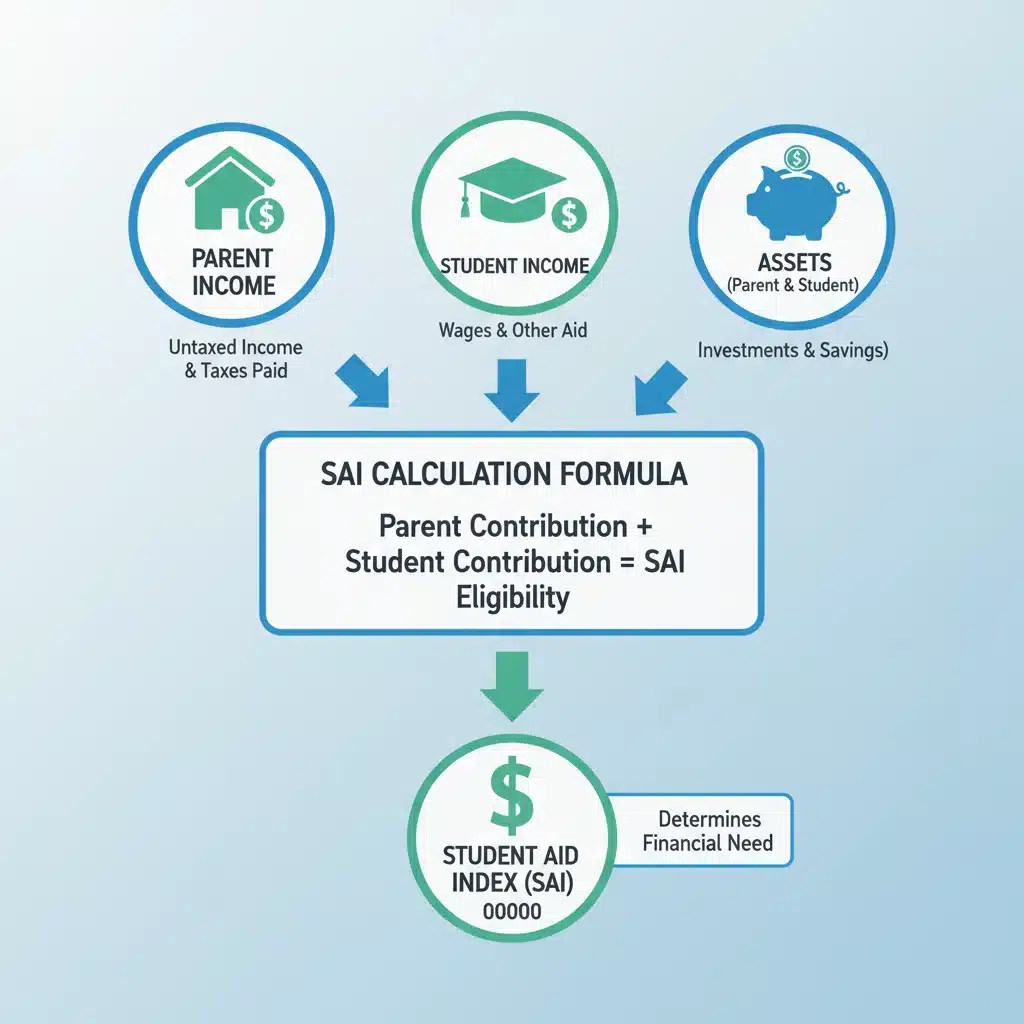
One of the most significant 2026 FAFSA changes is the replacement of the Expected Family Contribution (EFC) with the Student Aid Index (SAI). While both are indices used to determine a student’s financial need, the SAI calculation is fundamentally different. The EFC could not go below zero, but the SAI can be a negative number, down to -1500. This change is designed to identify students with the greatest financial need, potentially increasing Pell Grant eligibility for those at the lowest income levels.
The SAI calculation considers several factors, including:
- Income: Both student and parent (if dependent) adjusted gross income (AGI) will be central.
- Assets: The assessment of assets has been modified, with certain assets now excluded or treated differently.
- Family Size: The new FAFSA will pull family size directly from federal tax returns, simplifying this aspect but potentially impacting some families differently.
Understanding your potential SAI is the first step in estimating your eligibility for federal aid. Families should familiarize themselves with the new calculation methodology as it will directly influence the aid they receive.
Expanded Pell Grant Eligibility
The Pell Grant program, a cornerstone of federal financial aid, is set to become more accessible under the 2026 FAFSA changes. The new legislation links Pell Grant eligibility to family income and family size, rather than solely relying on the SAI. This means that more students, particularly those from low-income backgrounds, are expected to qualify for the maximum Pell Grant. Additionally, some students with higher SAIs might still qualify for a partial Pell Grant, expanding the reach of this vital funding source.
This expansion is a game-changer for many aspiring college students, offering a non-repayable form of aid that can significantly reduce the financial burden of higher education. Families should pay close attention to the updated income thresholds and family size considerations to determine their eligibility for this crucial grant.
Key Changes to the FAFSA Application Process
Beyond the calculation methodologies, the application process itself will see substantial revisions aimed at making it more user-friendly and efficient. The goal is to reduce barriers to application and encourage more students to apply for federal aid.
Streamlined Application and Data Retrieval
The FAFSA form will be significantly shorter, reducing the number of questions asked. This simplification is intended to make the application less intimidating and quicker to complete. A major improvement is the mandatory use of direct data exchange with the IRS. This means that applicants (and their parents, if applicable) will be required to consent to the IRS directly sharing their tax information with the Department of Education. While this streamlines data entry and reduces errors, it also means that families will have less control over which tax year’s income is reported, as it will automatically pull the prior-prior year’s data.
This mandatory data exchange is a critical aspect of the 2026 FAFSA changes. Families must be aware of this requirement and ensure all necessary parties provide consent. Failure to do so could result in delays or an inability to complete the FAFSA.
Changes to Family Size and Number in College
Under the old FAFSA, the number of family members attending college simultaneously significantly impacted the EFC. The 2026 FAFSA changes eliminate this benefit. The SAI will no longer divide by the number of students in college, meaning families with multiple children attending college concurrently may see a higher SAI and, consequently, less need-based aid than they would have under the previous system. This is a crucial point for families with more than one child pursuing higher education.
While the intent was to simplify, this particular change could have a substantial financial impact on certain families. It’s essential to factor this into your college savings and financial planning strategies.
Impact on Specific Financial Situations
The universal nature of the 2026 FAFSA changes means that different financial situations will be affected in unique ways. Understanding these specific impacts can help families prepare and adjust their strategies.
Divorced or Separated Parents
Under the old FAFSA, the custodial parent (the one with whom the student lived most during the year) was responsible for completing the FAFSA. The new FAFSA shifts this responsibility to the parent who provides the most financial support to the student, regardless of where the student lives. This change can significantly alter the financial aid picture for students of divorced or separated parents, especially if the parent providing the most financial support has a higher income or more assets.
Families in this situation should begin discussions early to determine which parent will be responsible for providing financial information and how this might affect the student’s SAI and overall aid eligibility. This is a critical area where the 2026 FAFSA changes demand proactive planning.
Small Business and Farm Owners
Previously, small businesses with fewer than 100 employees and family farms were excluded from asset calculations on the FAFSA. The 2026 FAFSA changes eliminate this exclusion. This means that the net worth of these businesses and farms will now be considered as assets, potentially increasing the SAI for families who own them. This change could have a substantial impact on self-employed individuals and agricultural families, who might see a decrease in their eligibility for need-based aid.
Owners of small businesses and farms should consult with financial advisors to understand how this change will affect their specific situation and explore strategies to mitigate any negative impact on their financial aid eligibility.
Treatment of Student Assets and Income
The new FAFSA will continue to assess student assets and income, but the specific formulas have been adjusted. Generally, student assets are assessed at a higher rate than parent assets, reflecting the expectation that students can contribute a greater percentage of their own funds. However, the income protection allowance for students has been increased, meaning a larger portion of their income (from jobs, for example) will not be counted towards their SAI. This is a minor but potentially beneficial adjustment for students who work to save for college.
Strategies to Maximize Your Aid Under the New System
While the 2026 FAFSA changes bring new rules, strategic planning remains key to maximizing your federal financial aid. Here are actionable steps families can take:
1. Understand Your New SAI Calculation
Familiarize yourself with the new SAI formula as soon as possible. While the Department of Education will provide resources, independent calculators and financial aid advisors can offer personalized estimates. Knowing your potential SAI will allow you to anticipate your aid eligibility and plan accordingly.
2. Strategic Income and Asset Management
Since the FAFSA uses ‘prior-prior year’ tax information, the income reported on the 2026-2027 FAFSA will be from your 2024 tax returns. This gives families a window to make strategic financial decisions. For example, if possible, consider deferring bonuses or large income payouts until after the ‘prior-prior year’ to reduce reported income. Similarly, review your assets. While moving assets around solely for FAFSA purposes is rarely recommended, understanding how different asset types are treated can inform long-term financial planning.
- Retirement Accounts: Funds in qualified retirement accounts (401k, IRA, 403b) are not counted as assets on the FAFSA. Maximizing contributions to these accounts is generally a good strategy for both retirement planning and FAFSA purposes.
- 529 Plans: These college savings plans are considered parent assets (if owned by a dependent student’s parent) and are assessed at a much lower rate than student assets. This makes them an excellent vehicle for college savings.
- Non-Qualified Investments: Be aware of the impact of non-retirement investment accounts, as these will be included in the asset calculation.
3. Proactive Engagement with Financial Aid Offices
College financial aid offices are your best resource. As the 2026 FAFSA changes roll out, these offices will be adapting their processes and understanding the nuances of the new system. Don’t hesitate to reach out to the financial aid offices of prospective colleges with specific questions about how the changes might affect your family’s aid package at their institution.
4. Explore All Aid Avenues
Federal aid is just one piece of the puzzle. Continue to explore state grants, institutional scholarships, and private scholarships. Many scholarships are not need-based and can significantly supplement federal aid. The 2026 FAFSA changes primarily impact federal aid, so these other sources remain crucial.

The Timeline for the 2026 FAFSA Changes
While the FAFSA Simplification Act has been in motion for some time, the full implementation of the 2026 FAFSA changes for the 2026-2027 award year means that students applying for college in the fall of 2026 will be the first to experience the complete overhaul. It’s important to remember:
- The FAFSA typically opens on October 1st each year (though the 2024-2025 FAFSA was delayed to December).
- For the 2026-2027 academic year, you will use your 2024 tax information.
- Deadlines vary by state and institution, so always check specific deadlines for the colleges you are applying to.
Starting early and staying informed is the best approach to navigating these significant reforms.
Addressing Common Concerns and Misconceptions
With such extensive changes, it’s natural for misconceptions to arise. Let’s address a few common concerns regarding the 2026 FAFSA changes:
“Will the FAFSA be easier or harder to complete?”
The intent is for the FAFSA to be easier and faster to complete due to fewer questions and mandatory IRS data retrieval. However, the initial adjustment period might feel complex as families learn the new system. Once accustomed, it should be a more streamlined experience.
“Will I get more or less aid?”
This depends entirely on your specific financial situation. Some families, particularly those with lower incomes, may see an increase in Pell Grant eligibility. Families with multiple children in college or those who own small businesses/farms might see a decrease in need-based aid. The changes are designed to redistribute aid more equitably, but this means some will benefit more than others.
“Does the FAFSA still matter if I think I won’t qualify for aid?”
Absolutely. The FAFSA is not just for Pell Grants or need-based aid. It’s also the gateway to federal student loans (Stafford Loans), which often have lower interest rates and more flexible repayment options than private loans. Many institutional scholarships also require a completed FAFSA, regardless of your financial need. Always complete the FAFSA!
The Long-Term Vision of FAFSA Simplification
The 2026 FAFSA changes are part of a broader effort to make higher education more affordable and accessible. By simplifying the application, expanding Pell Grant eligibility, and refining the need analysis, the Department of Education aims to reduce the financial barriers that prevent many students from pursuing a college degree. While the transition may present challenges, the long-term benefits are expected to include a more equitable and efficient financial aid system that better serves students and families across the nation.
Conclusion: Prepare Now for the 2026 FAFSA Changes
The 2026 FAFSA changes represent a pivotal moment in federal student aid. For prospective college students and their families, understanding these reforms is paramount to securing the financial assistance needed for higher education. From the introduction of the Student Aid Index (SAI) to expanded Pell Grant eligibility and new considerations for assets and family situations, every aspect has implications for your financial aid package.
Don’t wait until the last minute. Start educating yourself now, consult with financial aid professionals, and strategically plan your finances. By taking proactive steps, you can navigate the new FAFSA landscape successfully and maximize your opportunities for federal college aid. Your future education depends on it.