Diversity & Inclusion Hiring: US Company Strategies for 2026

Diversity & Inclusion Hiring: How 40% of U.S. Companies are Adapting Their Recruitment Strategies for 2026
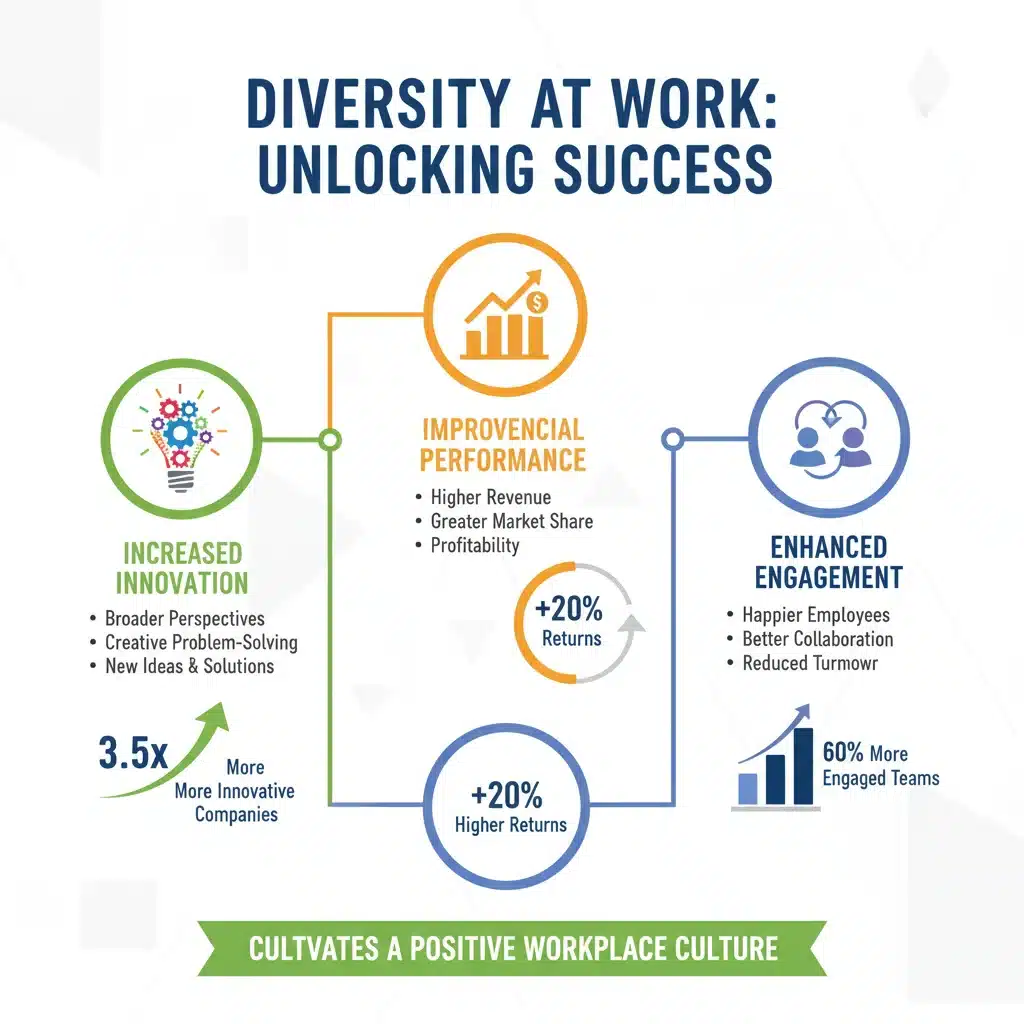
In today’s rapidly evolving corporate landscape, the concepts of diversity inclusion hiring are no longer just buzzwords; they are fundamental pillars of successful and sustainable business models. As we approach 2026, a significant shift is underway, with approximately 40% of U.S. companies actively revamping their recruitment strategies to prioritize diversity and inclusion. This isn’t merely about meeting quotas or adhering to social pressures; it’s a strategic imperative driven by compelling evidence that diverse teams foster innovation, improve decision-making, enhance employee engagement, and ultimately, boost financial performance.
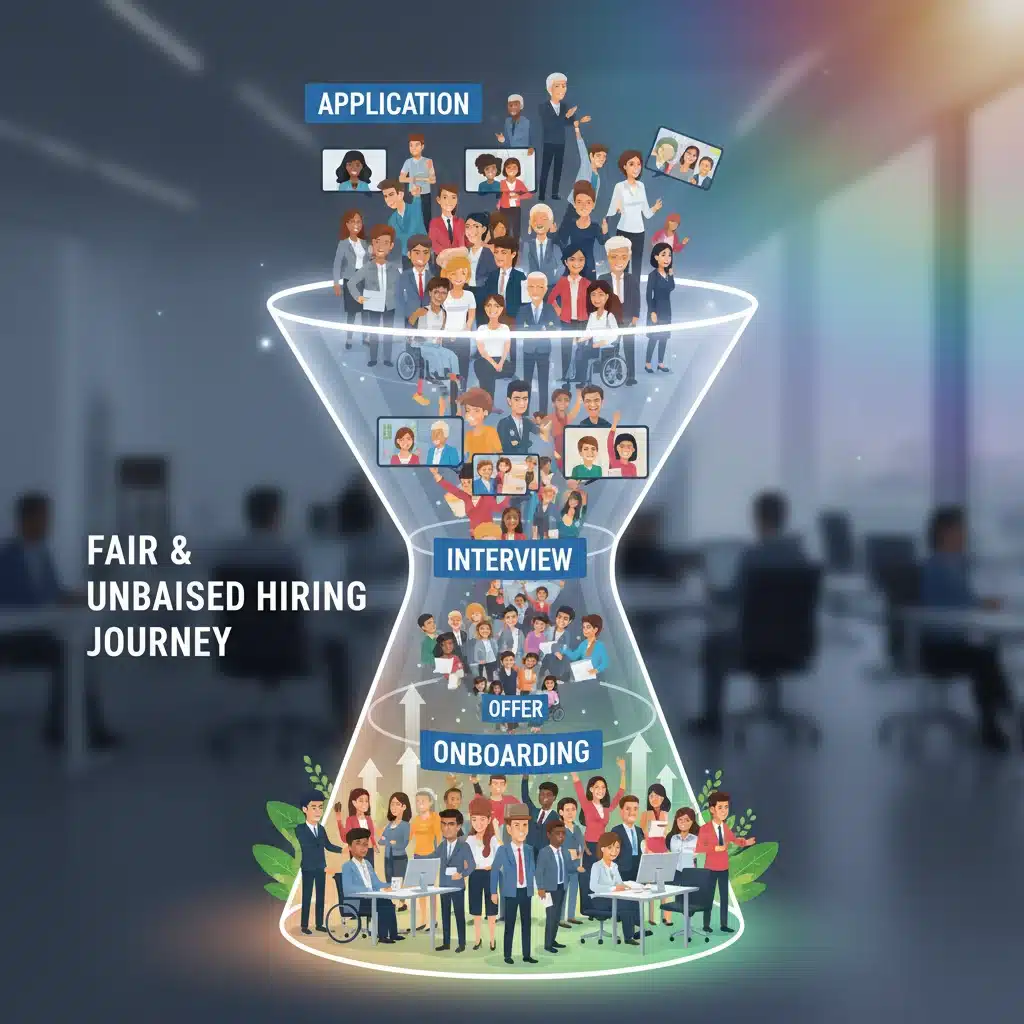
The journey towards truly inclusive hiring practices is multifaceted, requiring a holistic approach that touches every stage of the talent acquisition process. From crafting job descriptions that attract a broader range of candidates to implementing unbiased interview techniques and fostering an inclusive onboarding experience, companies are recognizing the need for systemic change. This article will delve into the critical trends, challenges, and best practices that define this transformative period in U.S. recruitment, providing valuable insights for organizations committed to building a workforce that reflects the rich tapestry of our global society.
The Urgency of Diversity Inclusion Hiring: Why Now?
The push for enhanced diversity inclusion hiring is driven by a confluence of factors. Societal expectations are higher than ever, with employees and consumers alike demanding that companies demonstrate a genuine commitment to equity. The younger generations entering the workforce, particularly Gen Z, place a high value on working for organizations that champion diversity and social responsibility. Beyond optics, the business case for diversity is undeniable. Numerous studies have consistently shown that diverse teams outperform homogeneous ones in creativity, problem-solving, and market understanding.
For instance, a report by McKinsey & Company found that companies in the top quartile for ethnic and cultural diversity on executive teams were 33% more likely to have industry-leading profitability. Similarly, companies with more women in leadership positions were found to be more profitable. These statistics underscore that diversity is not just a moral obligation but a strategic advantage. As competition for top talent intensifies, companies that excel in diversity inclusion hiring will be better positioned to attract, retain, and develop the best minds, ensuring their long-term viability and success.
Moreover, the events of recent years have brought issues of social justice and equity to the forefront, prompting many organizations to critically examine their internal structures and practices. This introspection has led to a greater awareness of unconscious biases that can permeate hiring processes, often inadvertently excluding qualified candidates from underrepresented groups. The commitment of 40% of U.S. companies to adapt their strategies by 2026 signifies a collective recognition that a passive approach to diversity is no longer sufficient; active, intentional efforts are required to dismantle barriers and create truly equitable opportunities.
Key Trends Shaping Diversity Inclusion Hiring Strategies
As companies pivot towards more inclusive recruitment, several key trends are emerging. These trends are not isolated but often interconnected, forming a comprehensive framework for modern diversity inclusion hiring. Understanding these shifts is crucial for any organization looking to stay competitive and relevant.
1. Data-Driven Approaches to Bias Mitigation
One of the most significant advancements in diversity inclusion hiring is the increasing reliance on data analytics to identify and mitigate biases. Companies are using sophisticated tools to analyze recruitment funnels, identify drop-off points for diverse candidates, and pinpoint areas where unconscious bias might be at play. This includes analyzing language in job descriptions, assessing interviewer feedback for patterns of bias, and tracking diversity metrics at each stage of the hiring process. By quantifying the problem, organizations can develop targeted interventions and measure their effectiveness.
2. Skills-Based Hiring Over Traditional Credentials
A growing number of companies are shifting away from rigid degree requirements and focusing more on skills-based hiring. This approach broadens the talent pool by considering candidates who may have gained relevant skills through non-traditional educational paths, bootcamps, or vocational training. It helps to overcome systemic biases embedded in traditional education systems that may disproportionately affect certain demographic groups. By evaluating candidates based on their demonstrated abilities and potential, organizations can unlock a wealth of untapped talent and enhance their diversity inclusion hiring efforts.
3. Blind and Structured Interviewing Techniques
To reduce unconscious bias, many organizations are implementing blind recruitment practices, such as redacting names and other identifying information from resumes during initial screening. Additionally, structured interviews, where all candidates are asked the same set of predetermined questions and evaluated against a consistent rubric, are becoming standard. This ensures a fairer comparison between candidates and minimizes the impact of subjective judgments that can often lead to biased outcomes. These techniques are vital components of effective diversity inclusion hiring frameworks.
4. Expanding Sourcing Channels and Partnerships
Relying solely on traditional job boards can limit the diversity of applicant pools. Companies committed to diversity inclusion hiring are actively expanding their sourcing channels by partnering with organizations that serve underrepresented groups, attending diversity-focused career fairs, and leveraging employee referral programs that incentivize diverse referrals. Building relationships with Historically Black Colleges and Universities (HBCUs), Hispanic-Serving Institutions (HSIs), and organizations supporting women in STEM are just a few examples of proactive sourcing strategies.
5. DEI Training for Hiring Managers and Recruiters
Effective diversity inclusion hiring requires that those involved in the hiring process are equipped with the knowledge and tools to make unbiased decisions. Comprehensive DEI training for hiring managers and recruiters is becoming a cornerstone of updated strategies. This training often covers topics such as unconscious bias awareness, cultural competence, inclusive language, and best practices for creating an equitable interview experience. It’s about fostering a mindset shift and providing practical skills to ensure fairness.
Challenges in Implementing Diversity Inclusion Hiring Strategies
While the commitment to diversity inclusion hiring is strong, organizations face several challenges in effectively implementing these strategies. Overcoming these hurdles requires persistence, strategic planning, and a genuine commitment from leadership.
1. Overcoming Unconscious Bias
Unconscious bias is perhaps the most pervasive and challenging obstacle. These deeply ingrained stereotypes and assumptions can subtly influence everything from resume screening to interview evaluations, often without the individual being aware of it. While training helps, truly mitigating unconscious bias requires continuous effort, self-awareness, and the implementation of structured processes that reduce opportunities for bias to creep in. This is a critical area where many diversity inclusion hiring initiatives falter if not addressed proactively and consistently.
2. Resistance to Change and Lack of Buy-In
Any significant organizational change can be met with resistance, and diversity inclusion hiring is no exception. Some employees or leaders may question the necessity, perceive it as a threat to meritocracy (a common misconception), or simply be uncomfortable with new ways of working. Gaining genuine buy-in from all levels of the organization, particularly senior leadership, is essential. Clear communication about the benefits, transparent goal-setting, and demonstrating the positive impact are vital for overcoming resistance.
3. ‘Diversity Washing’ vs. Authentic Inclusion
A significant concern is the risk of ‘diversity washing,’ where companies make performative gestures towards diversity without enacting meaningful, systemic change. True diversity inclusion hiring goes beyond simply increasing representation; it requires creating an environment where diverse employees feel valued, respected, and have equal opportunities for growth and advancement. Without genuine inclusion, diverse hires may quickly leave, undermining the entire effort. Organizations must ensure their inclusion efforts are as robust as their diversity initiatives.
4. Measuring Impact and Demonstrating ROI
While the qualitative benefits of diversity are widely accepted, quantitatively measuring the direct return on investment (ROI) of diversity inclusion hiring initiatives can be complex. Companies need robust data collection and analytical capabilities to track diversity metrics, correlate them with business outcomes, and demonstrate the tangible benefits to stakeholders. Without clear metrics, it can be challenging to justify continued investment and secure ongoing support.
5. Attracting and Retaining Diverse Talent
Even with improved sourcing and unbiased hiring processes, attracting and retaining diverse talent can still be a challenge. This often stems from a company’s reputation, its existing culture, or a lack of visible diverse leadership. To truly succeed in diversity inclusion hiring, organizations must not only bring diverse talent in but also ensure they thrive within the company. This involves creating inclusive workplace cultures, providing mentorship and sponsorship opportunities, and addressing systemic inequities that might hinder career progression.
Best Practices for Effective Diversity Inclusion Hiring by 2026
For the 40% of U.S. companies committed to adapting their recruitment strategies, adopting best practices is paramount. These practices form a roadmap for building truly diverse and inclusive workforces.
1. Leadership Commitment and Accountability
Successful diversity inclusion hiring starts at the top. Senior leadership must not only endorse but actively champion DEI initiatives. This includes setting clear diversity goals, allocating necessary resources, and holding leaders accountable for progress. When diversity is a strategic priority articulated by the CEO and executive team, it permeates the entire organization and signals its importance to all employees.
2. Auditing and Rewriting Job Descriptions
Job descriptions are often the first point of contact with potential candidates and can inadvertently deter diverse applicants. Best practices include using gender-neutral language, avoiding exclusionary jargon, focusing on essential skills rather than an exhaustive list of ‘nice-to-haves,’ and clearly articulating the company’s commitment to diversity. Tools that analyze job descriptions for biased language can be invaluable in this process, enhancing diversity inclusion hiring from the very outset.
3. Standardizing the Interview Process
As mentioned earlier, structured interviews are crucial. This involves developing a consistent set of behavioral and situational questions for all candidates, establishing clear evaluation criteria, and training interviewers to focus on objective assessment rather than subjective impressions. Implementing diverse interview panels can also help to introduce different perspectives and reduce individual biases, making the diversity inclusion hiring process more equitable.
4. Leveraging Technology for Unbiased Screening
AI-powered tools can assist in various stages of the recruitment process, from anonymizing resumes to assessing skills through gamified assessments. While these tools are not a panacea and must be carefully audited for their own biases, they can significantly reduce human error and unconscious bias in initial screening, thereby enhancing diversity inclusion hiring efforts. The key is to use technology as an aid, not a replacement for human judgment and oversight.
5. Building an Inclusive Employer Brand
Attracting diverse talent requires more than just inclusive job ads; it demands an authentic inclusive employer brand. This means showcasing the company’s commitment to diversity through its website, social media, employee testimonials, and community engagement. Highlighting diverse employee stories, demonstrating flexible work arrangements, and promoting employee resource groups (ERGs) can signal to diverse candidates that they will be welcomed and supported. An authentic employer brand is a powerful magnet for diversity inclusion hiring.
6. Mentorship, Sponsorship, and Development Programs
Hiring diverse talent is only half the battle; retaining and developing them is equally important. Implementing mentorship programs, where experienced employees guide and support newer diverse hires, and sponsorship programs, where senior leaders advocate for the career advancement of diverse talent, are critical. Providing access to professional development opportunities ensures that diverse employees have equal chances to grow and succeed within the organization, reinforcing the commitment to diversity inclusion hiring beyond the initial recruitment phase.
The Future of Diversity Inclusion Hiring: Beyond 2026
The commitment of 40% of U.S. companies to adapt their diversity inclusion hiring strategies by 2026 is a significant milestone, but it is by no means the end of the journey. Looking beyond 2026, the focus will likely shift towards even deeper integration of DEI principles throughout the entire employee lifecycle, and a more nuanced understanding of inclusion.
1. Intersectionality in DEI Strategies
Future diversity inclusion hiring efforts will increasingly recognize the concept of intersectionality – the idea that various social and political identities combine to create unique modes of discrimination and privilege. This means moving beyond a simplistic view of diversity (e.g., just gender or race) to understand how these identities intersect and create unique experiences for individuals. Recruitment strategies will need to be sophisticated enough to address these complex layers of identity and ensure that intersectional candidates are not overlooked.
2. AI and Ethical Considerations
While AI offers immense potential for unbiased screening, there will be an increased emphasis on the ethical implications and potential biases embedded within AI algorithms themselves. Developing and deploying AI tools for diversity inclusion hiring will require rigorous auditing, transparency, and a commitment to continuous improvement to ensure they truly promote equity rather than inadvertently perpetuate existing biases. The responsible use of technology will be a critical area of focus.
3. Holistic Candidate Experience
The candidate experience will become even more central, with organizations striving to create an inclusive and welcoming journey for all applicants. This extends beyond the interview process to include pre-application engagement, transparent communication, and feedback mechanisms. A positive and inclusive candidate experience, regardless of outcome, reinforces the employer’s brand and commitment to diversity inclusion hiring.
4. Global Perspective on Diversity
For multinational corporations, diversity inclusion hiring will increasingly adopt a global perspective, recognizing that diversity means different things in different cultural contexts. Strategies will need to be adaptable and culturally sensitive, moving beyond a purely U.S.-centric view to embrace a broader understanding of global diversity and inclusion. This involves understanding local regulations, cultural norms, and specific underrepresented groups in various regions.
5. Accountability and Transparency
Expect to see greater public accountability and transparency regarding diversity metrics. Companies will be under increasing pressure to publish their diversity data, explain their progress (or lack thereof), and outline concrete plans for improvement. This heightened level of scrutiny will drive more genuine and sustained efforts in diversity inclusion hiring, moving companies beyond performative actions towards measurable impact.
Conclusion
The commitment of 40% of U.S. companies to adapt their recruitment strategies for diversity inclusion hiring by 2026 marks a pivotal moment in corporate America. This proactive stance reflects a deeper understanding that diversity is not just a moral imperative but a powerful catalyst for business success. By embracing data-driven approaches, skills-based hiring, unbiased interviewing techniques, and comprehensive DEI training, organizations are laying the groundwork for more equitable and innovative futures.
While challenges such as unconscious bias and resistance to change persist, the momentum towards genuine inclusion is undeniable. The future of diversity inclusion hiring will be characterized by an even greater focus on intersectionality, ethical AI, holistic candidate experiences, and global perspectives, all underpinned by unwavering leadership commitment and transparency. Companies that successfully navigate this transformation will not only build stronger, more resilient workforces but also contribute to a more just and equitable society. The journey is ongoing, but the direction is clear: an inclusive future is a prosperous future.
Author